
impact
impact
open science
subheadline
careers and opportunities
subheadline
people & teams
people & teams
subheadline
allenites
subheadline
allen institute advisors
subheadline
board of directors
subheadline
shanahan foundation fellowship
subheadline
next generation leaders
subheadline
research
overview
our approach
subheadline
publications
subheadline
open science
subheadline
accelerator
brain science
subheadline
cell science
subheadline
neural dynamics
subheadline
immunology
subheadline
synthetic biology
subheadline
education
education
science education
subheadline
education resources
subheadline
field trips
subheadline
open science
subheadline
open science quest
subheadline
news
news
stories
subheadline
podcast
subheadline
sign up for our newsletter
subheadline
events
events
all events
subheadline
conferences
subheadline
event code of conduct
subheadline
events
open science quest
subheadline
summer workshop on the dynamic brain
subheadline
open science week
subheadline
brain fest
subheadline
science resources
science resources
allencell.org
subheadline
allenimmunology.org
subheadline
allenneuraldynamics.org
subheadline
brain-bican.org
subheadline
brain-map.org
subheadline
microns-explorer.org
subheadline
impact
back to menu
impact
open science
subheading
careers and opportunities
subheading
people & teams
people & teams
subheading
allen institute advisors
subheading
board of directors
subheading
shanahan foundation fellowship
subheading
next generation leaders
subheading
research
back to menu
impact
Label
subheading
Label
subheading
people & teams
education
back to menu
research
Label
subheading
Label
subheading
Heading
news
back to menu
research
Label
subheading
Label
subheading
Heading
events
back to menu
research
Label
subheading
Label
subheading
Heading
science resources
back to menu
science resources
allencell.org
subheading
allenimmunology.org
subheading
allenneuraldynamics.org
subheading
brain-bican.org
subheading
brain-map.org
subheading
microns-explorer.org
subheading
search
stories
news

Karel Svoboda and Jay Shendure elected to National Academy of Medicine

The honor recognizes leaders who have demonstrated outstanding achievement and made lasting contributions to the advancement of the medical sciences,...

October 20, 2025
 min read
share/
The honor recognizes leaders who have demonstrated outstanding achievement and made lasting contributions to the advancement of the medical sciences, health care, and public health
Thank you! Your submission has been received!
Oops! Something went wrong while submitting the form.

in this article

table of contents will display on published page only
set h2 to populate the table of contents here

authors

Peter Kim
Associate Director, Communications & Media Relations

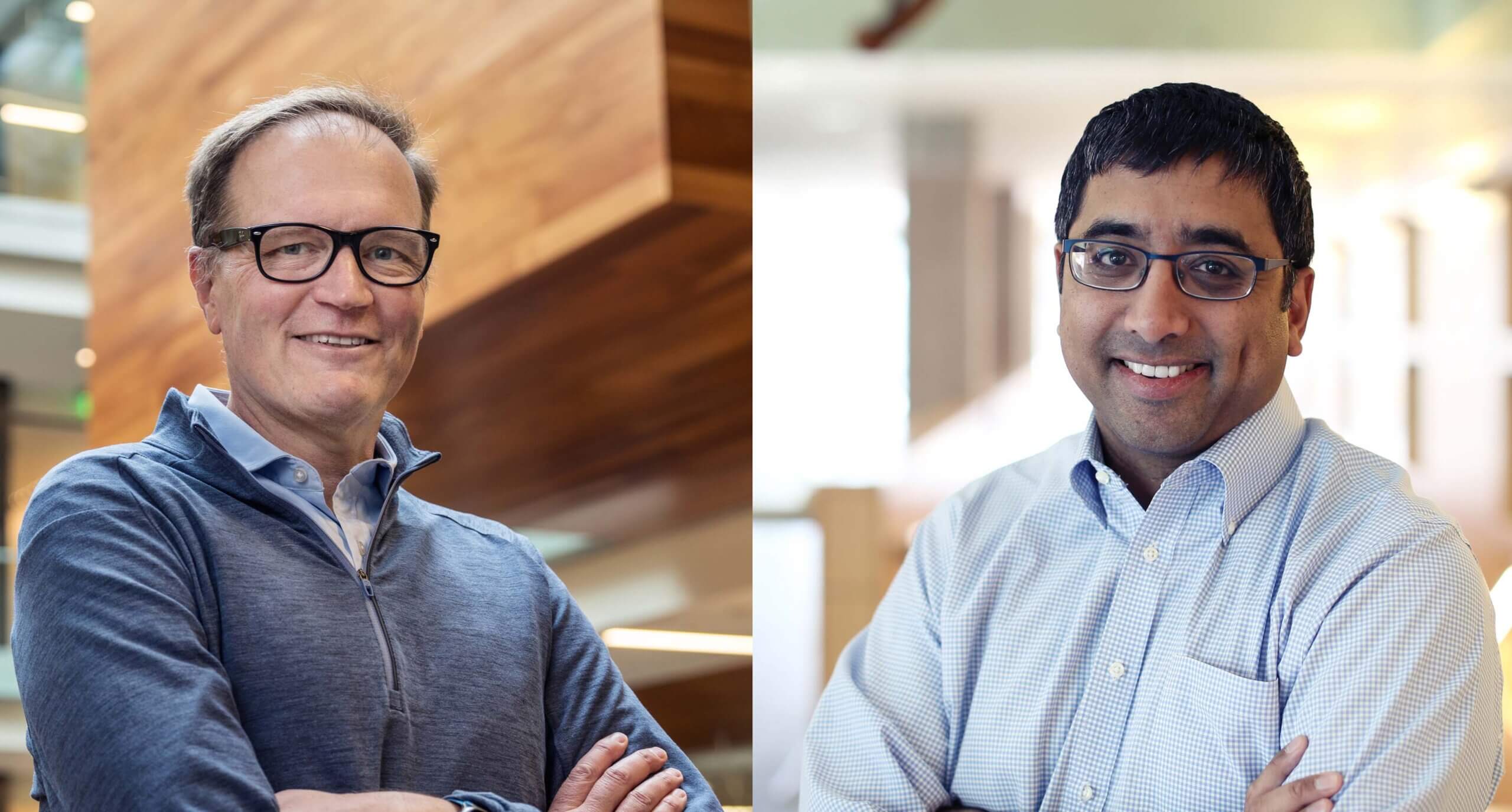
Today at its annual general meeting, the National Academy of Medicine announced the election of Karel Svoboda, Ph.D., executive vice president and director of Allen Institute’s Neural Dynamics moonshot, and Jay Shendure, M.D./Ph.D., lead scientific director of the collaborative Seattle Hub for Synthetic Biology and professor at the University of Washington School of Medicine.

Election to the Academy is considered one of the highest honors in the fields of health and medicine and recognizes leaders who have demonstrated outstanding professional achievement and made lasting contributions to the advancement of the medical sciences, health care, and public health.
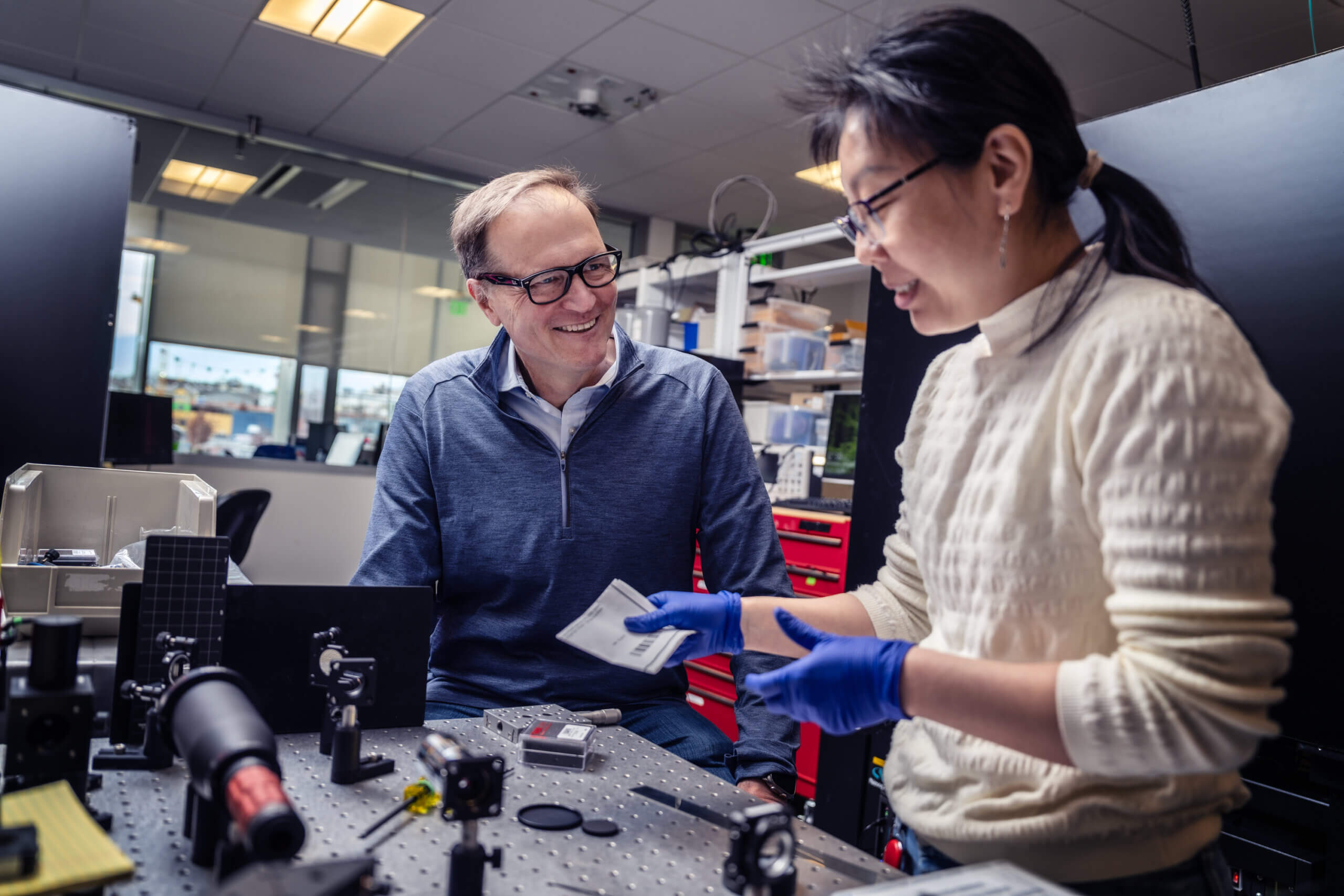
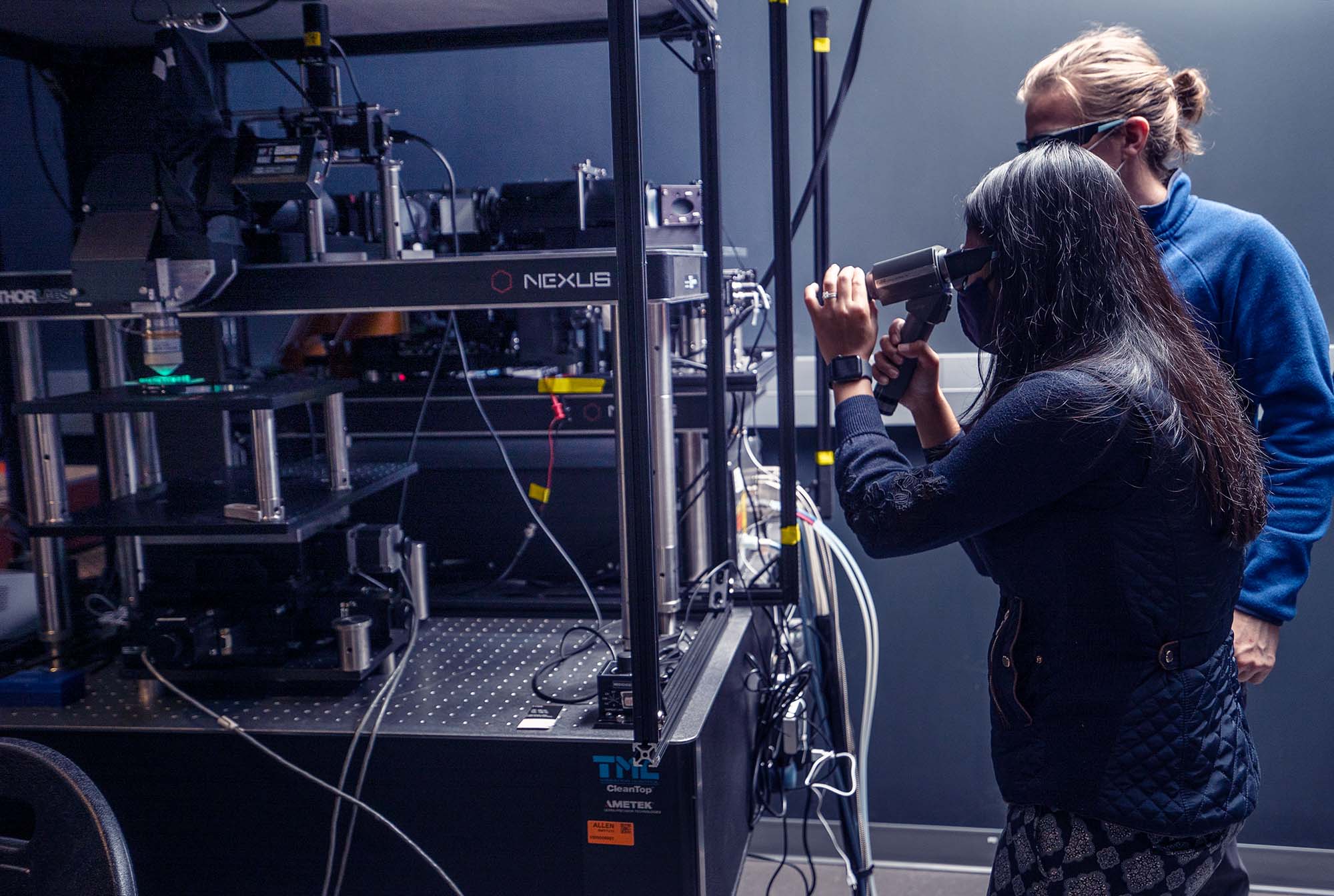
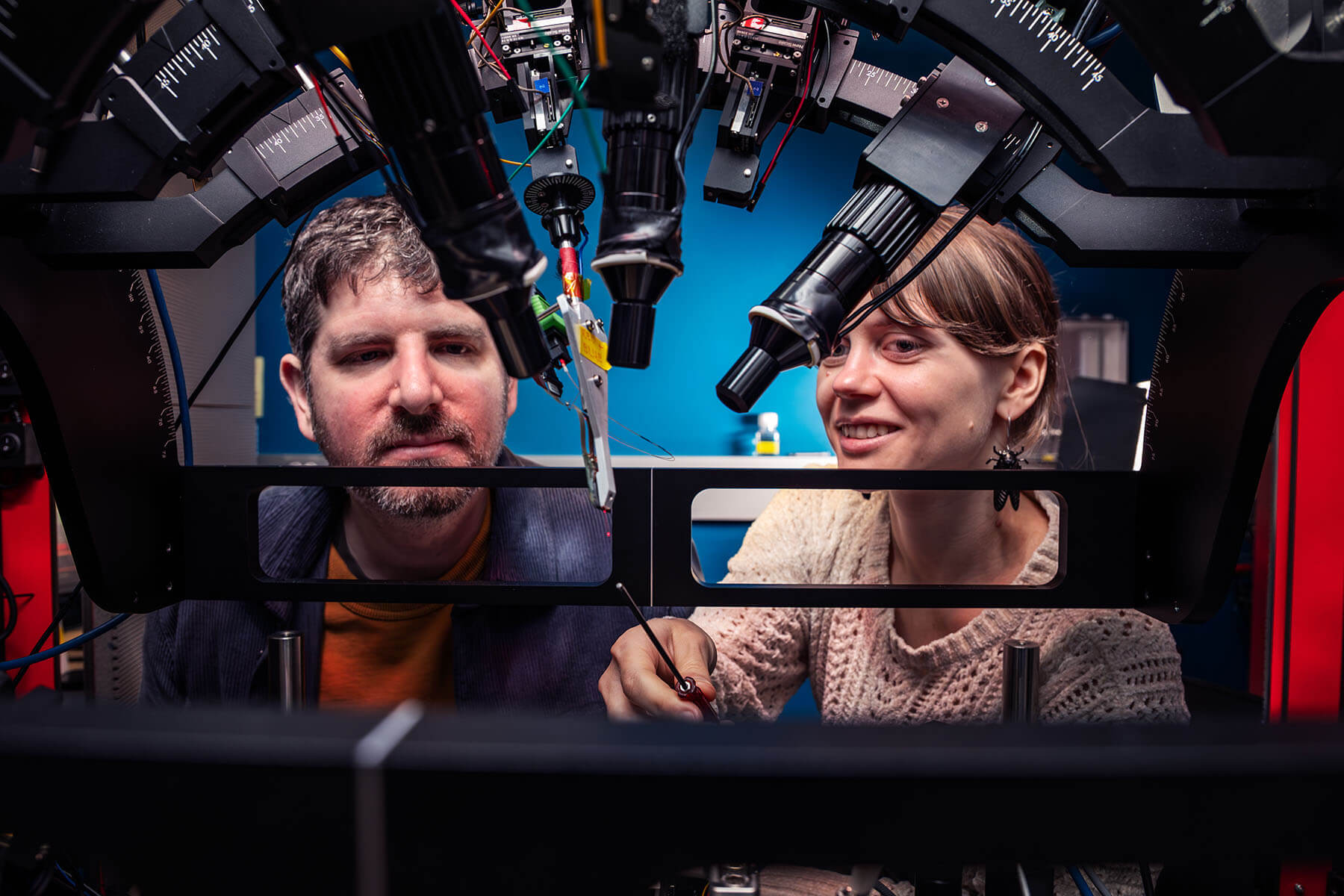
Two scientists collaborating in laboratory with optical equipment and electronic components
Karel Svoboda, Ph.D., executive vice president and director of the Allen Institute’s Neural Dynamics moonshot (Photo credit: Allen Institute/Erik Dinnel)

Svoboda is recognized for discovering synaptic mechanisms of learning and the neural circuit mechanisms underlying planning and movement, and for developing widely used microscopes, molecular tools, and software for cellular imaging in the intact brain.

“I’m honored by this recognition and grateful to the many collaborators and colleagues who contributed to this work, and to the visionary funders who made it possible,” said Svoboda. “I’m especially pleased that the National Academy of Medicine recognizes the vital role that curiosity-driven, fundamental brain research and biophysical methods play in advancing the frontiers of medical science.”

Shendure is recognized for pioneering development of the second wave of genomics technologies for gene discovery, non-invasive testing methods for prenatal diagnosis and cancer, synthetic biology, and to understand gene regulation and embryonic development based on analysis of individual cells.
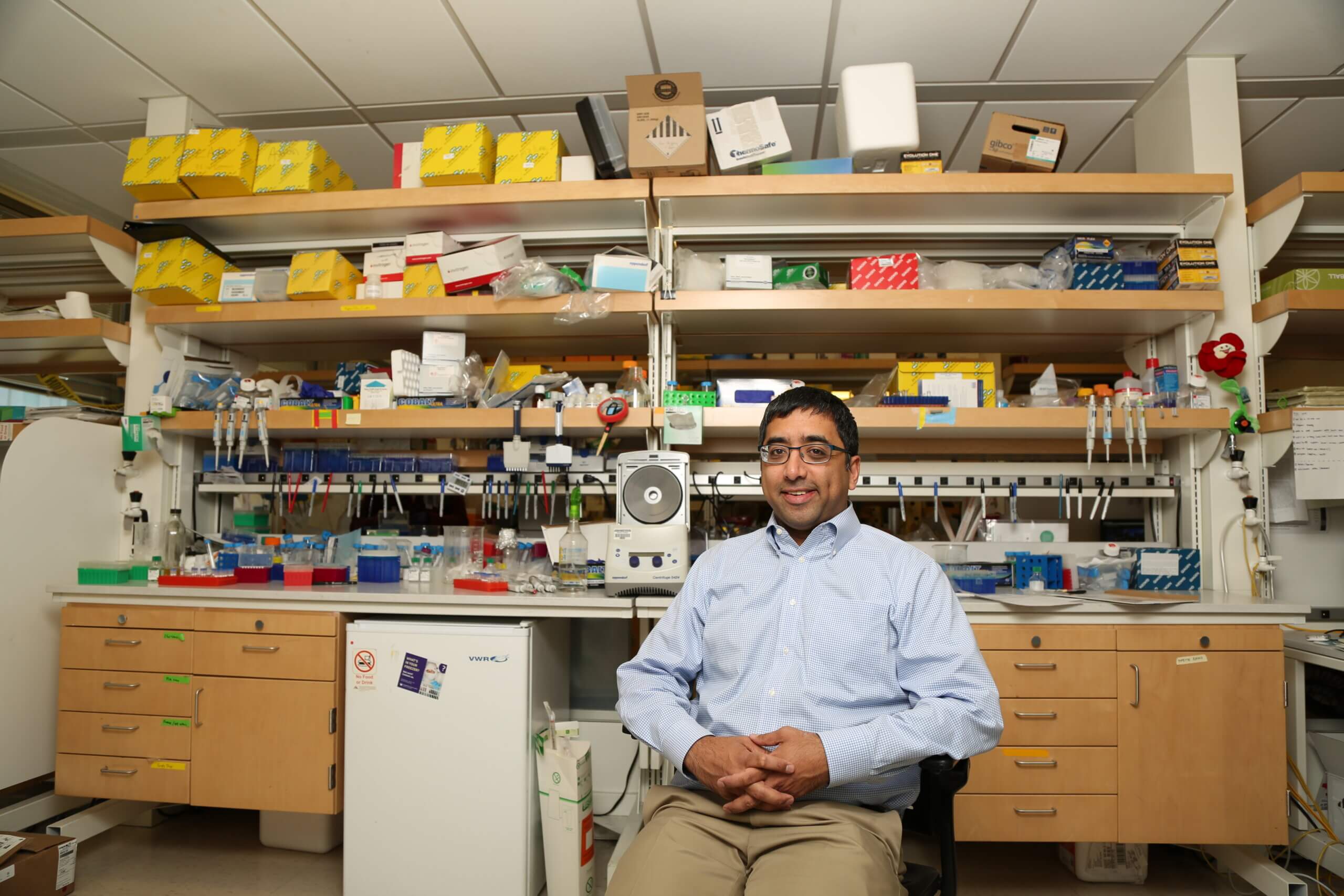
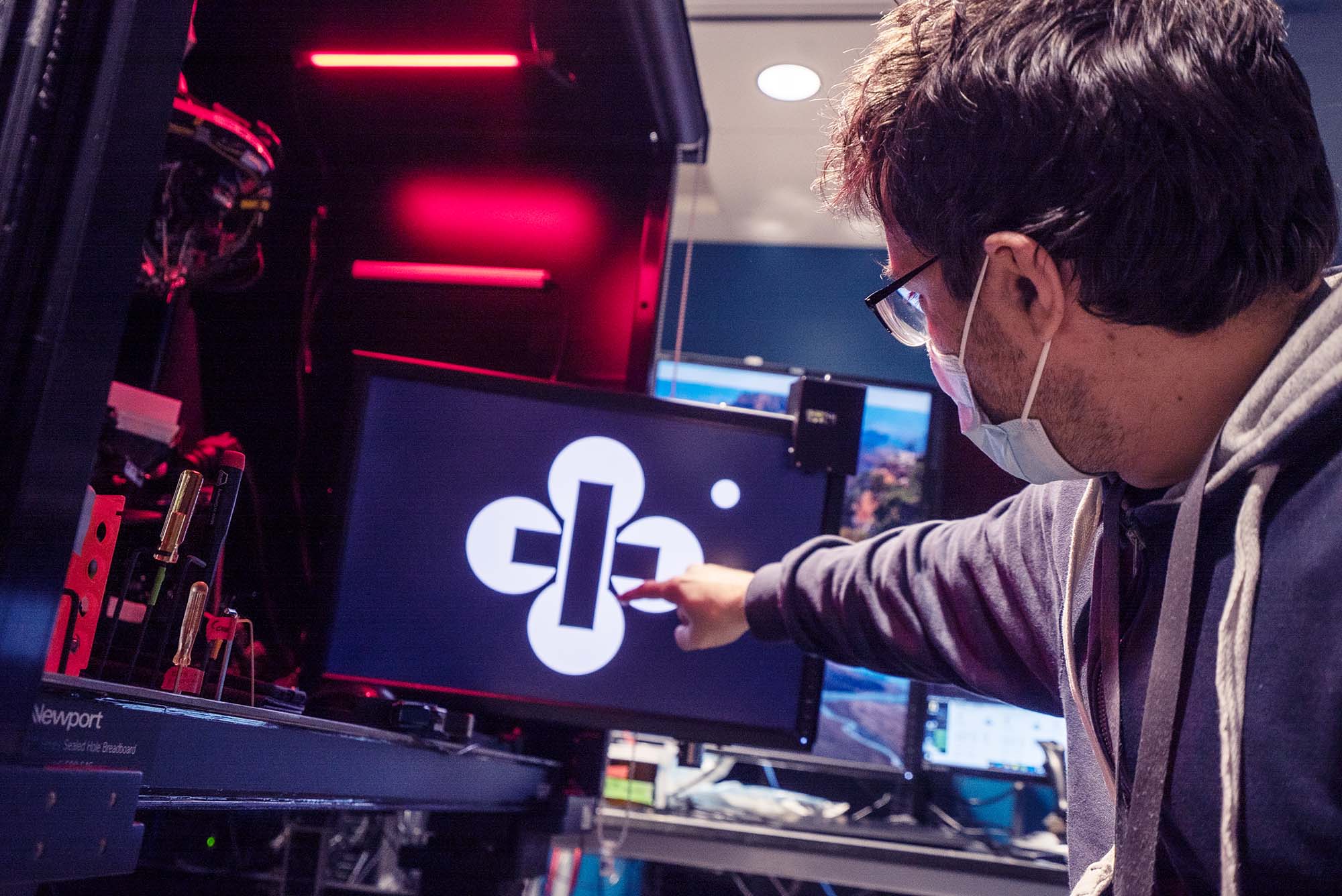
Man in glasses sitting in electronics lab with shelves of components and equipment.
Jay Shendure, M.D./Ph.D., lead scientific director of the Seattle Hub for Synthetic Biology and professor at the University of Washington School of Medicine

“I’m thrilled for the recognition of our collective work over many years, and grateful to the many colleagues, trainees, and staff who have made Seattle such an incredible environment for the interface of technology development, basic science, and medically relevant research,” said Shendure.

Both are among 100 new members elected to the National Academy of Medicine this year.

“At the Allen Institute, we’re driven to take on some of the big questions in biology, and Karel and Jay’s work is a perfect example of that,” said Rui Costa, D.V.M./Ph.D., President and CEO of the Allen Institute. “Their innovative approaches are transforming how we study biology and bringing the world closer to understanding the foundations of life itself.”

In keeping with the Allen Institute’s philosophy of open science, their findings, data, and discoveries are shared openly with the global scientific community to catalyze breakthroughs and advance our understanding of health and disease.

Svoboda joined the Allen Institute in 2022. Prior to this, he was a senior group leader at HHMI’s Janelia Research Campus where he probed the intersection of neuronal biophysics and cognition to identify core principles underlying information processing in mammalian neural circuits. Svoboda has developed several widely used, cutting-edge methods to study neural structure and function in intact brains. He graduated from Cornell University with a B.A. in Physics (1988) and from Harvard University with a Ph.D. in Biophysics (1994). Svoboda has also been awarded the Society for Neuroscience Young Investigator Award (2004) and the Brain Prize from the Lundbeck Foundation (2015). He is a member of the National Academy of Sciences.

Shendure’s research group in Seattle has pioneered exome sequencing and its earliest applications to gene discovery for Mendelian disorders and autism, cell-free DNA diagnostics for cancer and reproductive medicine, and whole organism lineage tracing. He is the recipient of the Curt Stern Award from the American Society of Human Genetics (2012), the Richard Lounsbery Award from the National Academy of Sciences (2019) and the Mendel Award from the European Society of Human Genetics (2022). Shendure is also a member of the National Academy of Sciences.

Citations
No items found.

about the allen institute

The Allen Institute is an independent, 501(c)(3) nonprofit research organization founded by philanthropist and visionary, the late Paul G. Allen. The Allen Institute is dedicated to answering some of the biggest questions in bioscience and accelerating research worldwide. The Institute is a recognized leader in large-scale research with a commitment to an open science model. For more information, visit alleninstitute.org.
explore related stories

explore more stories
news 
Neuropixels Opto sheds new light into deepest regions of the brain
A single tool measures and manipulates brain cell communication and democratizes advanced neuroscience
Allen Impact 2025
Technology and innovation are fueling discovery in science like never before we’re proud to be leading the way. 2025 was a year of tremendous impact...
news 
Scientists develop new way to “listen in” on the brain’s hidden language
Paradigm-shifting technology is changing how researchers do neuroscience
news 
Allen Institute scientists igniting curiosity of young minds
Students at the University of Puget sound are gaining valuable real-world insight and training using the Allen Institute's cutting edge resources and...
news 
Scientists shoot lasers into brain cells to uncover how illusions work
Supported by the Allen Institute's OpenScope program, the findings could help us better understand neuropsychiatric disorders like schizophrenia and...
news 
Collaboration Expands Research Tool to Help Crack the Code on Parkinson’s and Other Neurodegenerative Diseases
A new view of Parkinson's Disease
we acceleratedevelopcatalyzeimpact

science done differently. shared with the world.

explore our accelerators

brain science

Mapping every cell, connection, and circuit in the brain—openly shared with the world.

cell science

Decoding how cells become tissues, then programming that knowledge into powerful new research tools.

neural dynamics

Revealing the brain's hidden algorithms that transform neural activity into real-world behavior.

immunology

Creating the deepest open reference for the healthy human immune system ever built.

synthetic biology

Engineering cells to record their own histories, transforming how we understand disease over time.

research

Big questions, open answers, and science built to be shared.

education

Inspiring the next generation of scientists through open science resources.

impact

Our science is empowering researchers and advancing health worldwide.
advancing science through open, collaborative research
Get the allen institute newsletter
Stay informed on the latest breakthroughs in neuroscience, bioscience, and AI-driven research.
allen institute
impactpeople & teamscareers & opportunitiesalumnihistory & founder
science resources
allencell.orgallenimmunology.orgallenneuraldynamics.orgbrain-bican.orgbrain-map.orgmicrons-explorer.org
research
brain sciencecell scienceneural dynamicsimmunologysynthetic biologypublications
education
science educationfield tripsprofessional developmenteducation resources
quick links
newseventsopen sciencepodcastscience resourceshuman brain donationvisit uscontact
follow us/

allen institute, 615 Westlake Ave North, Seattle, WA 98109 +12065487055

© 0000 allen institute. all rights reserved.
privacy policyterms of usecitation policyemployee portalpolicy & compliance