stories
news from the front lines of discovery
From scientific breakthroughs to new open‑source tools, the Allen Institute’s work is reshaping how science is done—and who it’s for. Explore the latest news, stories, and highlights from across our research, partnerships, and open science efforts.


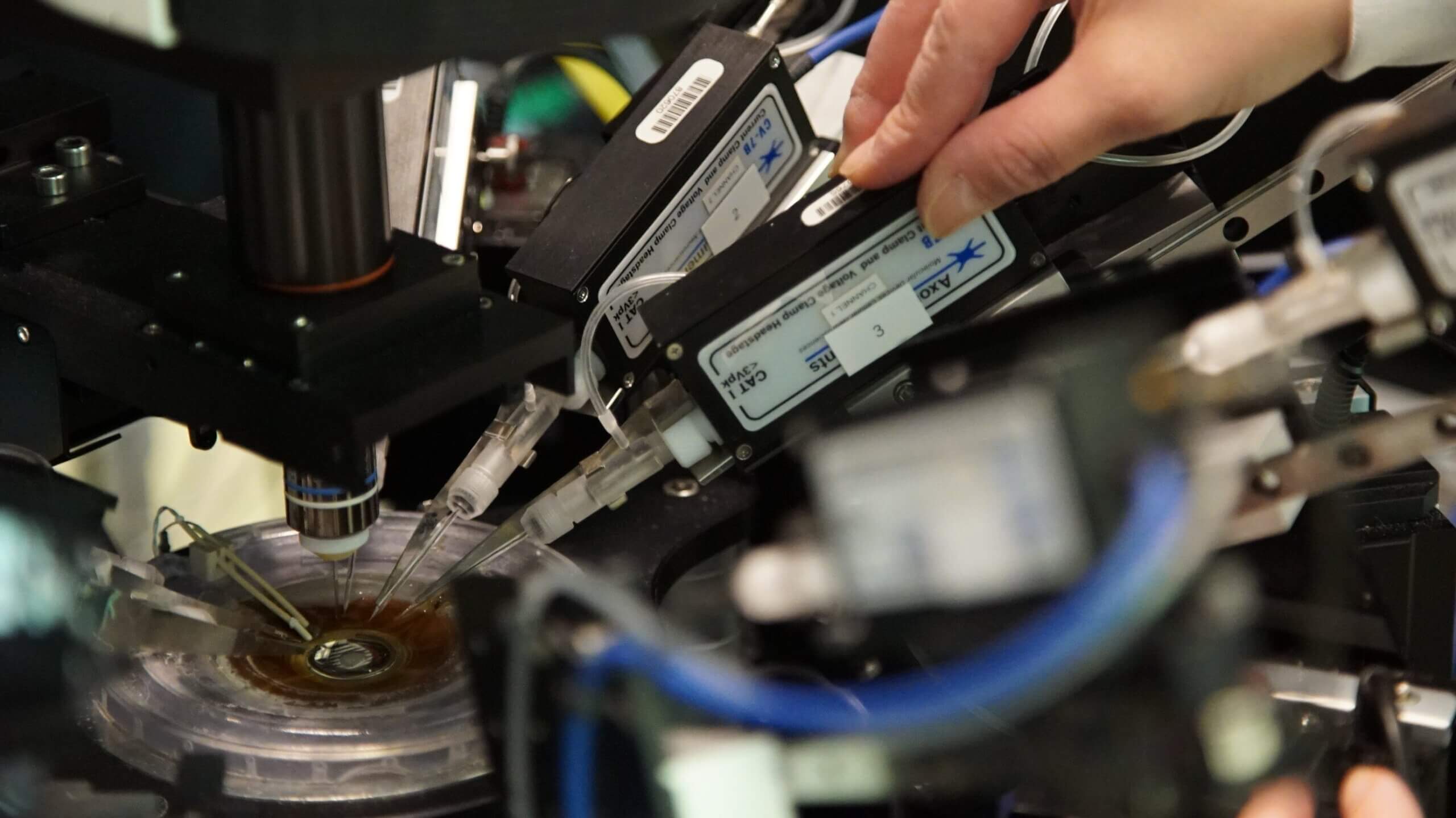
Zapping the right brain cells: The path to improved stimulation
New findings could help scientists develop better ways to treat brain disorders with electrical stimulation.
Thank you! Your submission has been received!
Oops! Something went wrong while submitting the form.
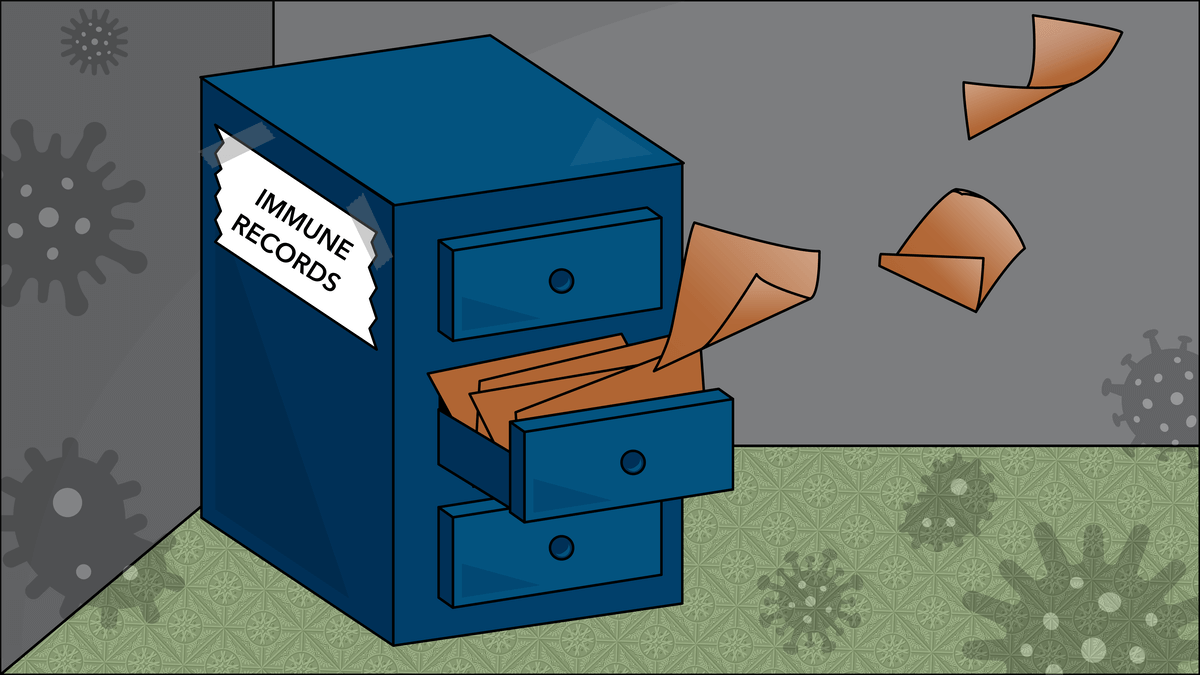

5 cool things your immune system can do
Hack evolution, keep lifelong exposure records and more - immunologists share some of the far-out cellular feats happening in your body on a regular...
No items found.
news
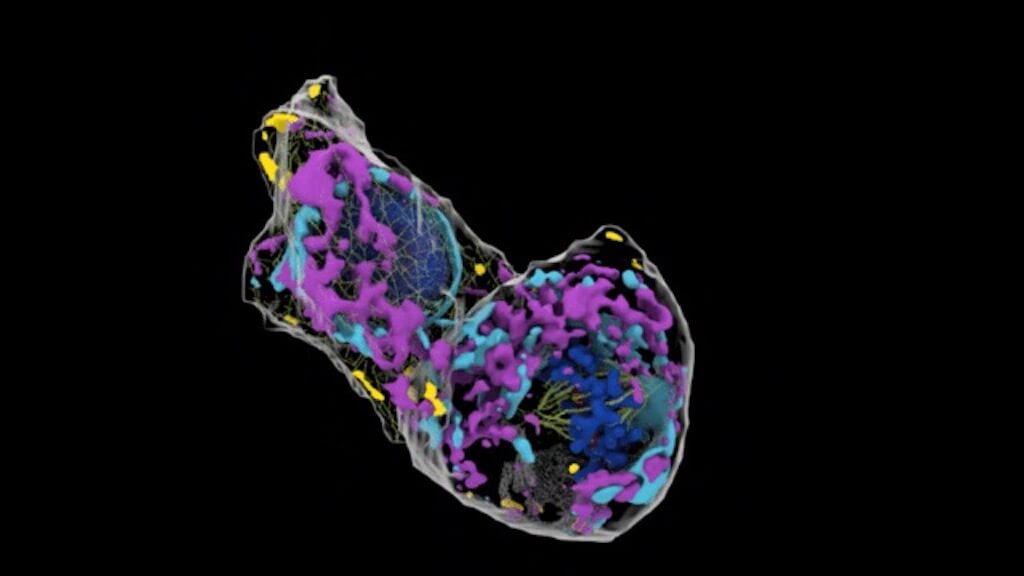
Cytiva licenses Allen Institute’s advanced machine learning technology to develop new cell imaging techniques
Strategic license to advance the field of 3D and live cell imaging
No items found.
news
Could treatments aimed at Alzheimer’s disease help combat COVID-19?
A team of cardiology researchers had a creative idea for a new way to treat dementia. Now they think it could help coronavirus patients too.
No items found.
news
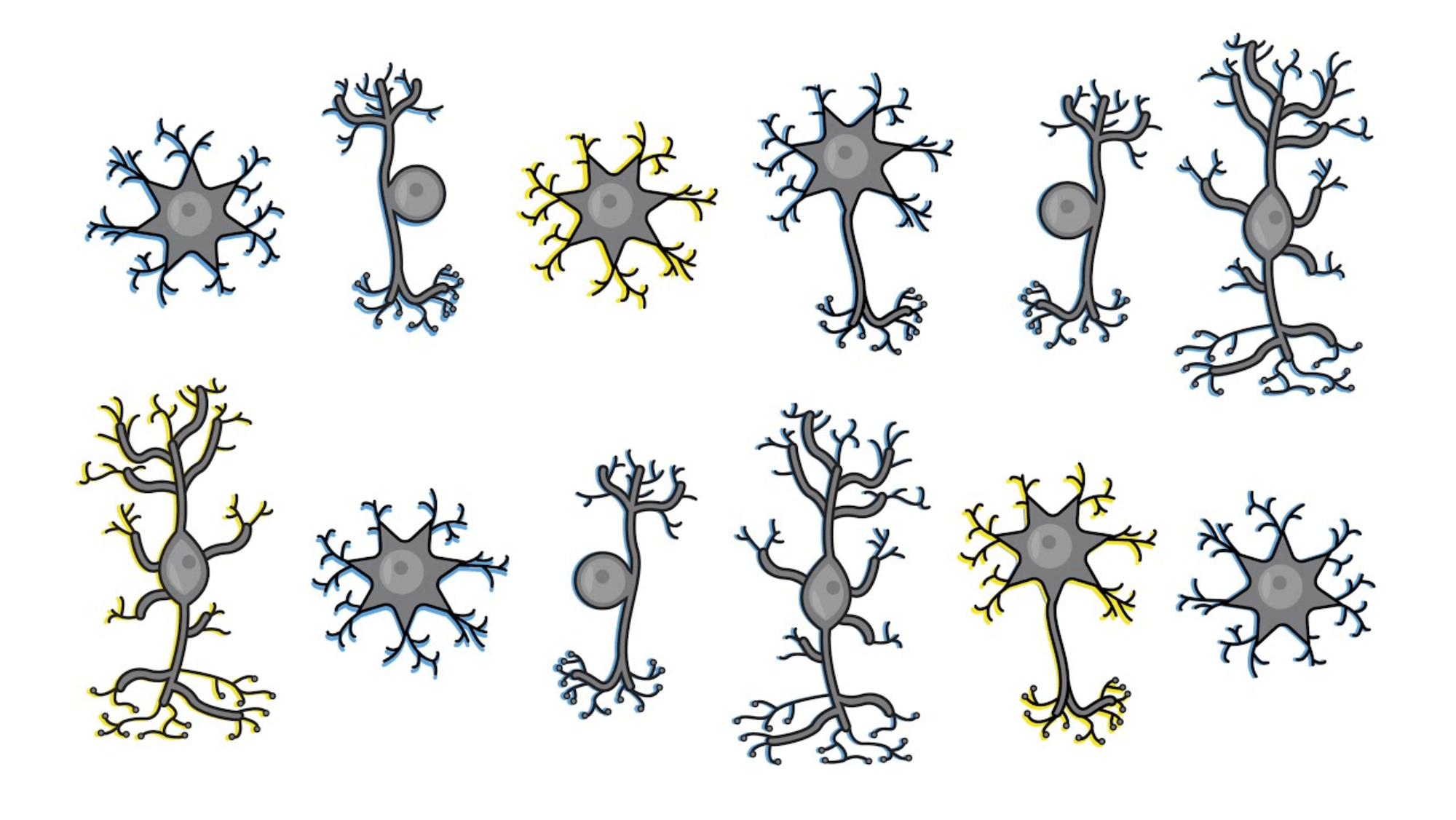

A new approach to Alzheimer’s disease research
Most efforts to treat Alzheimer's disease simply haven't worked. That's why leading researchers in Seattle are teaming up with us to study early...
No items found.
video
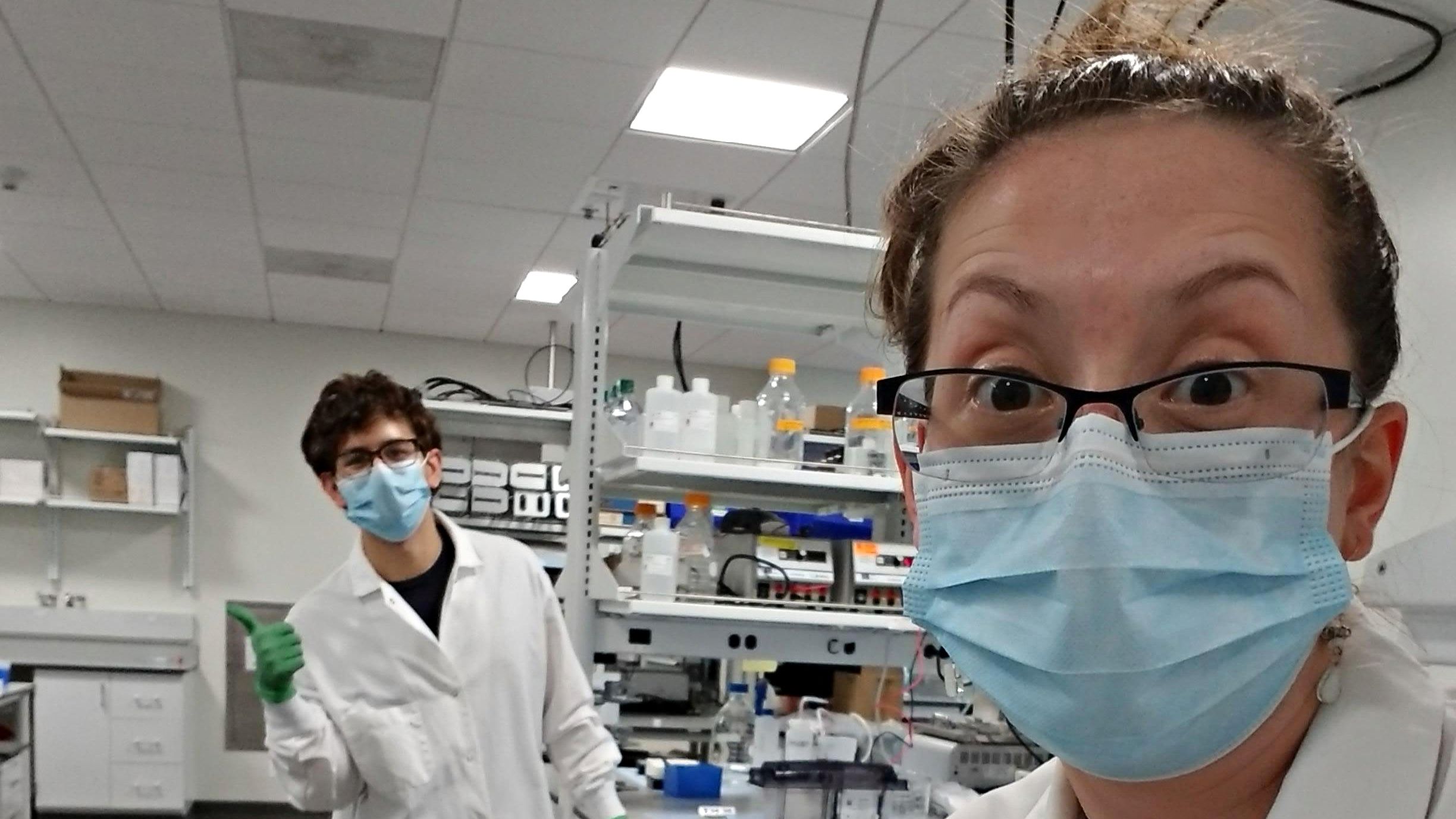
Team science in the era of remote work
As the COVID-19 pandemic dictates physical distance and many scientists are working from home, how can teams pivot to pull off coordinated research...
No items found.
news
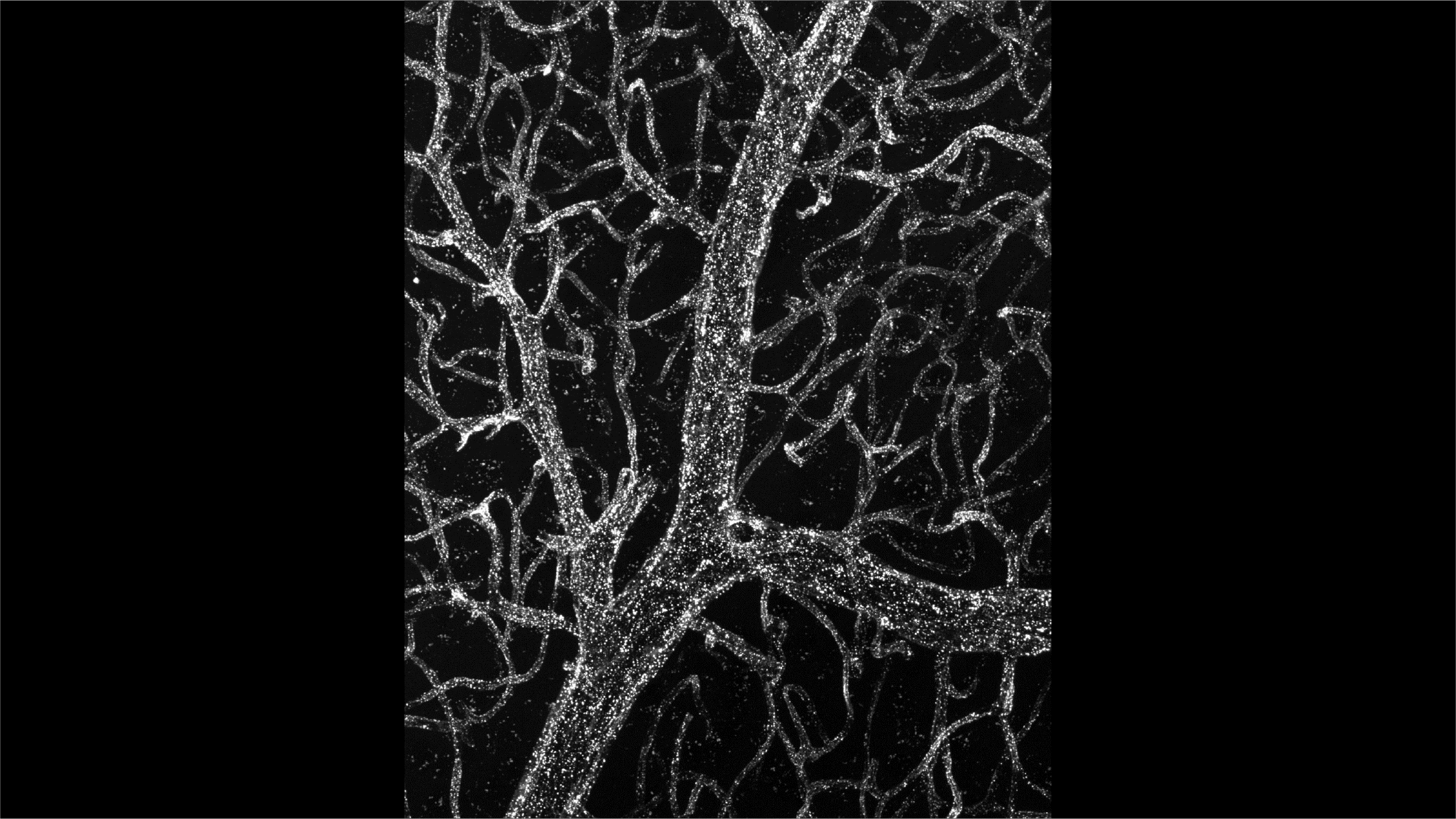
Old age changes the way blood accesses the brain
A new study in mice shows that contrary to longstanding dogma, blood proteins easily cross into the brain, but transport machinery breaks down with ag...
No items found.
news
The Leukemia & Lymphoma Society, The Mark Foundation for Cancer Research and The Paul G. Allen Frontiers Group Partner to Award $6.75M in New Grants to Drive the Next Wave of Novel Cancer Therapies
New “Blood Cancer Discoveries Grant Program” supported by a novel three-way collaboration
No items found.
news
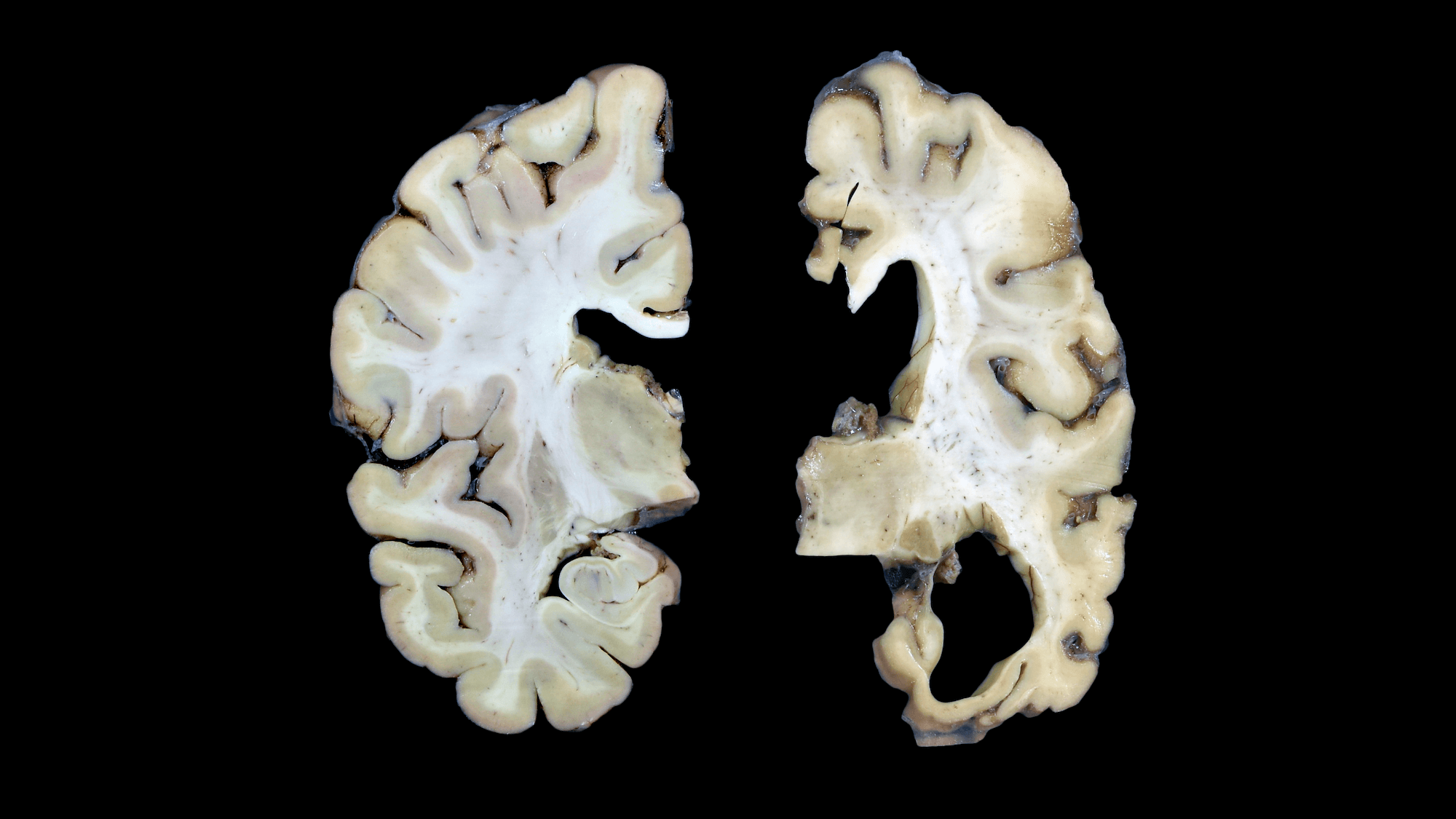
Seattle researchers team up to build hi-res brain map of Alzheimer's disease
$40.5M NIH-funded project aims to pinpoint cells at the root of the progressive brain disease and home in on new therapeutic targets
No items found.
news
Cell Shorts | Lab-grown human skin holds promise for skin grafts
Researchers have succeeded in growing the most lifelike human skin in the lab to date. Allen Institute for Cell Science cell lines formed the basis...
No items found.
news
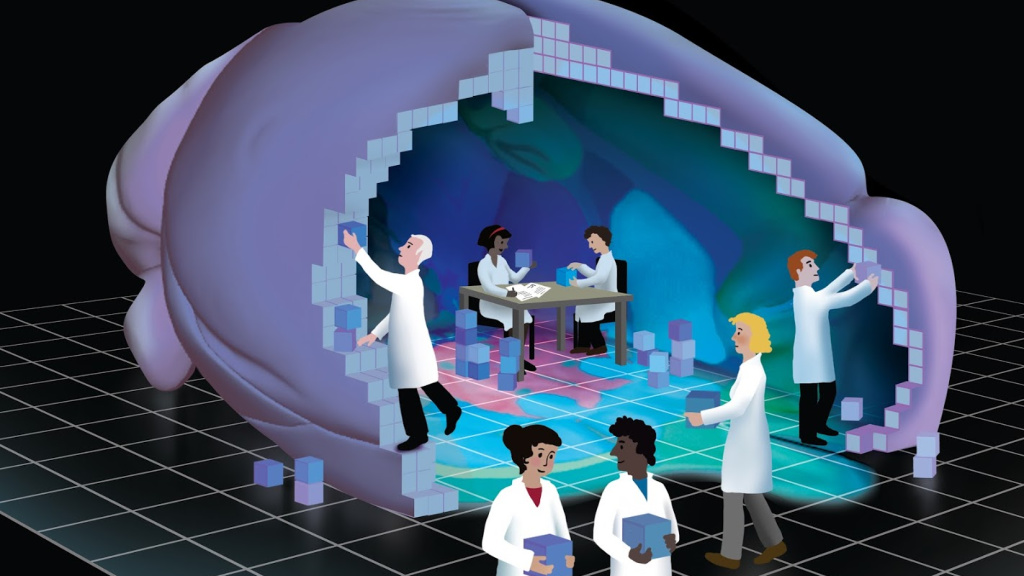
A new high-resolution, 3D map of the whole mouse brain
The reference atlas, years in the making, offers common ground to put neuroscience findings in context
brain science
news


No results found, try reducing your search parameters.
press & media contact
Get in touch for media inquiries and resources for covering science at the scale of greatest impact.
Thank you! Your submission has been received!
Oops! Something went wrong while submitting the form.



Fierce Biotech: Allen Institute's cell lines could lead to new drugs for hypertrophic cardiomyopathy
(Photo credit: Fierce Biotech) By helping scientists make generalizations about the disease by unearthing the common denominator between mutations, the cells could ultimately lead to more personalized treatment approaches.


KIRO Radio: Breakthroughs in Synthetic Biology
(Interview starts 11:35 in) Troy McDiarmid from the Seattle Center for Synthetic Biology describes the innovative research underway to create cellular recorders that will track the full life histories of human cells to better understand disease.

Puget Sound Business Journal: Seattle biotech research hub launches with big goals for growth, scientific advances
The Seattle Hub for Synthetic Biology is developing technology to monitor genomic changes in cells in real time, in turn showing cells' whole histories and the genetic causes of disease.
Inside Precision Medicine: How Single-Cell Omics is Revolutionizing Our View Of Neurobiology
(Photo credit: miakievy / Getty Images) The adult human brain is made up of billions of neurons and glial cells. Understanding the diversity of these cells and their distinctive gene-regulatory mechanisms is crucial for determining how the brain works and, in turn, for developing treatments for neurologic disorders

GeekWire: Inside the new Seattle Hub for Synthetic Biology, which uses DNA to ‘record biology over time’
(Photo credit: Charlotte Schubert) Researchers opened the doors Monday to the new Seattle Hub for Synthetic Biology, a collaboration between the Allen Institute, the Chan Zuckerberg Initiative and the University of Washington.