stories
news from the front lines of discovery
From scientific breakthroughs to new open‑source tools, the Allen Institute’s work is reshaping how science is done—and who it’s for. Explore the latest news, stories, and highlights from across our research, partnerships, and open science efforts.


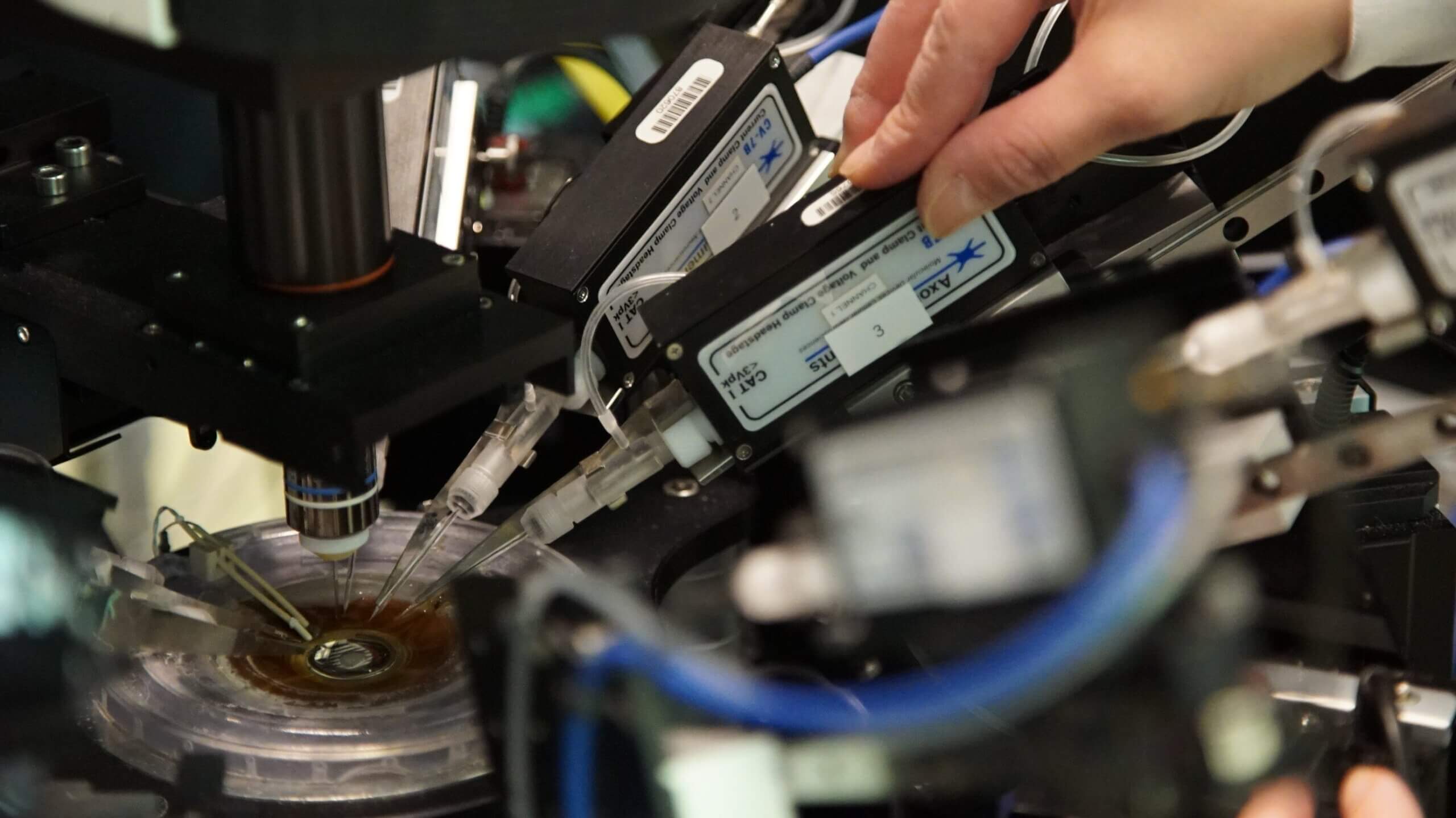
Zapping the right brain cells: The path to improved stimulation
New findings could help scientists develop better ways to treat brain disorders with electrical stimulation.
Thank you! Your submission has been received!
Oops! Something went wrong while submitting the form.
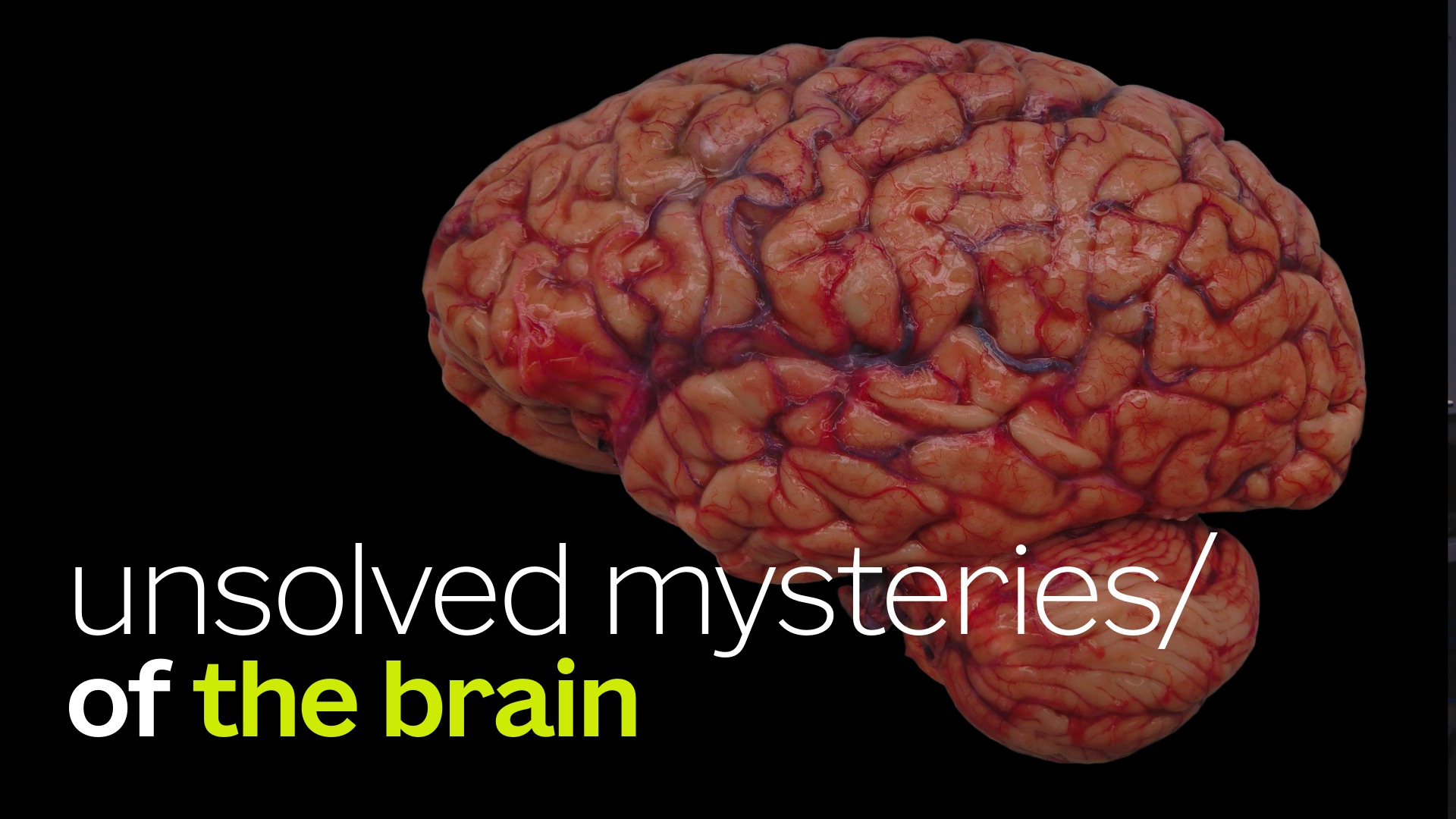

5 unsolved mysteries about the brain
Can we understand our own brains? We have a long way to go, neuroscientists say.
brain science
news

Out of Balance | Tom Bumol’s life after lymphoma
What happens when an immunologist gets a life-threatening, immune-related disease? In Bumol’s case, he doubles down on his research.
No items found.
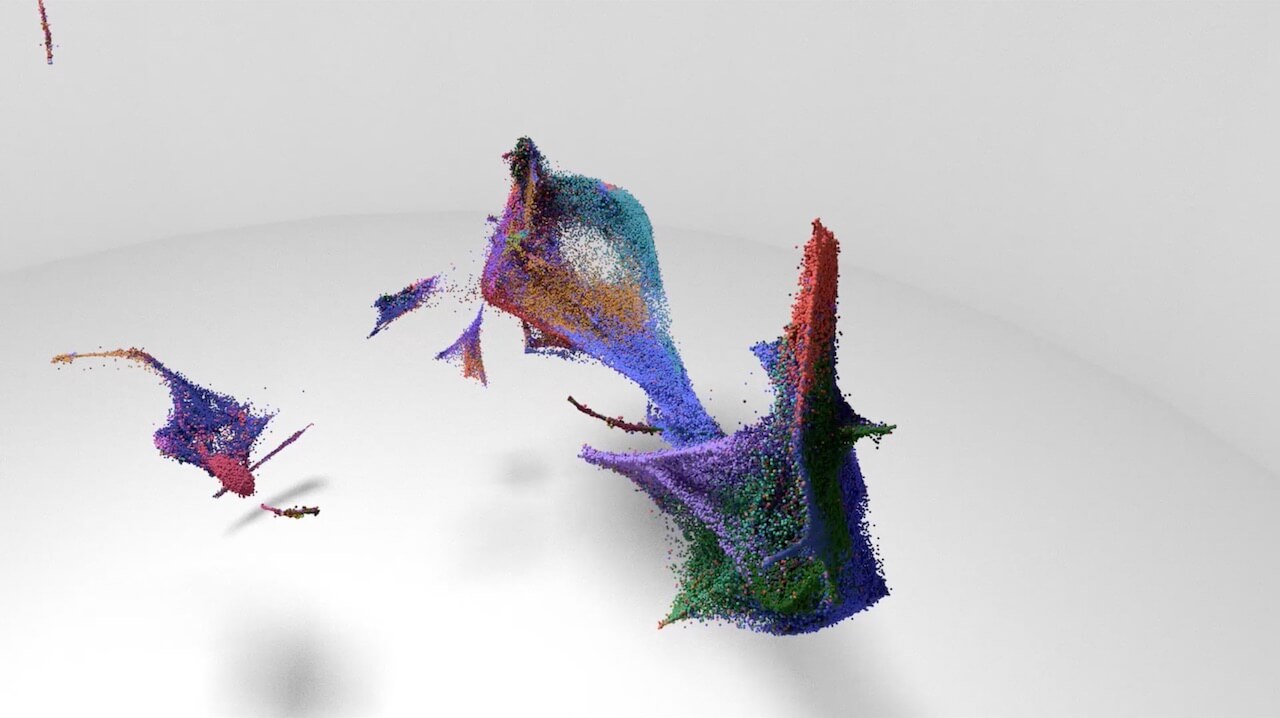
2 million-cell experiment traces how a mammal grows, cell by single cell
The very early days of growth, long before we are born, are a time of incredible development.
No items found.
news
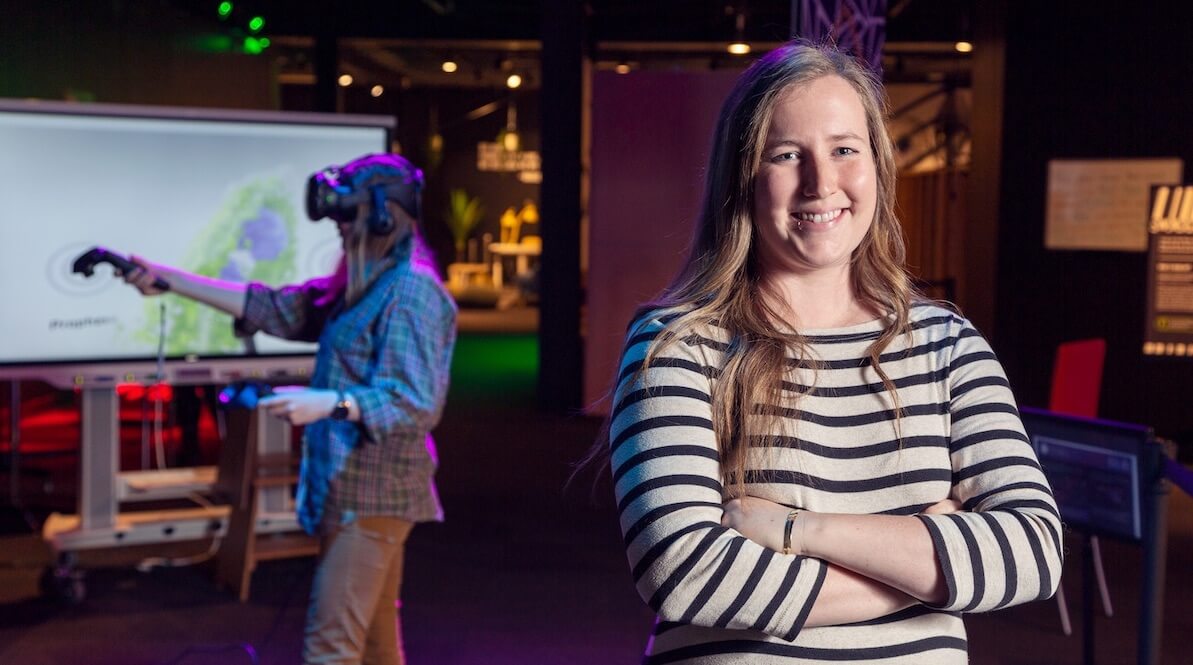
New VR game lets you learn about cells by tossing them
The app teaches users the stages of cell division through interactions with 3D models of human cells
No items found.
news

Allen Institute adds former Washington governor, executives from JPMorgan Chase and Deloitte to Board of Directors
The Allen Institute today announced the appointment of three new members to its Board of Directors: Margaret Anderson, Managing Director with Deloitte...
No items found.
news
Data Stories | A tiny brain structure with an outsized role in neurological disorders
Emily Sylwestrak, Ph.D., has a hard time putting her finger on the exact moment her interest in science began. It’s always been there, for as long...
No items found.
news

Peter Skene | Transforming outcomes for patients
See how Peter Skene, director of Molecular Biology and Biochemistry at the Allen Institute for Immunology is working to answer this question and...
No items found.
news
New CRISPR-based technique in mice upends rules of genetic inheritance
The way we inherit genes is responsible for much of humanity’s incredible diversity.
No items found.
news
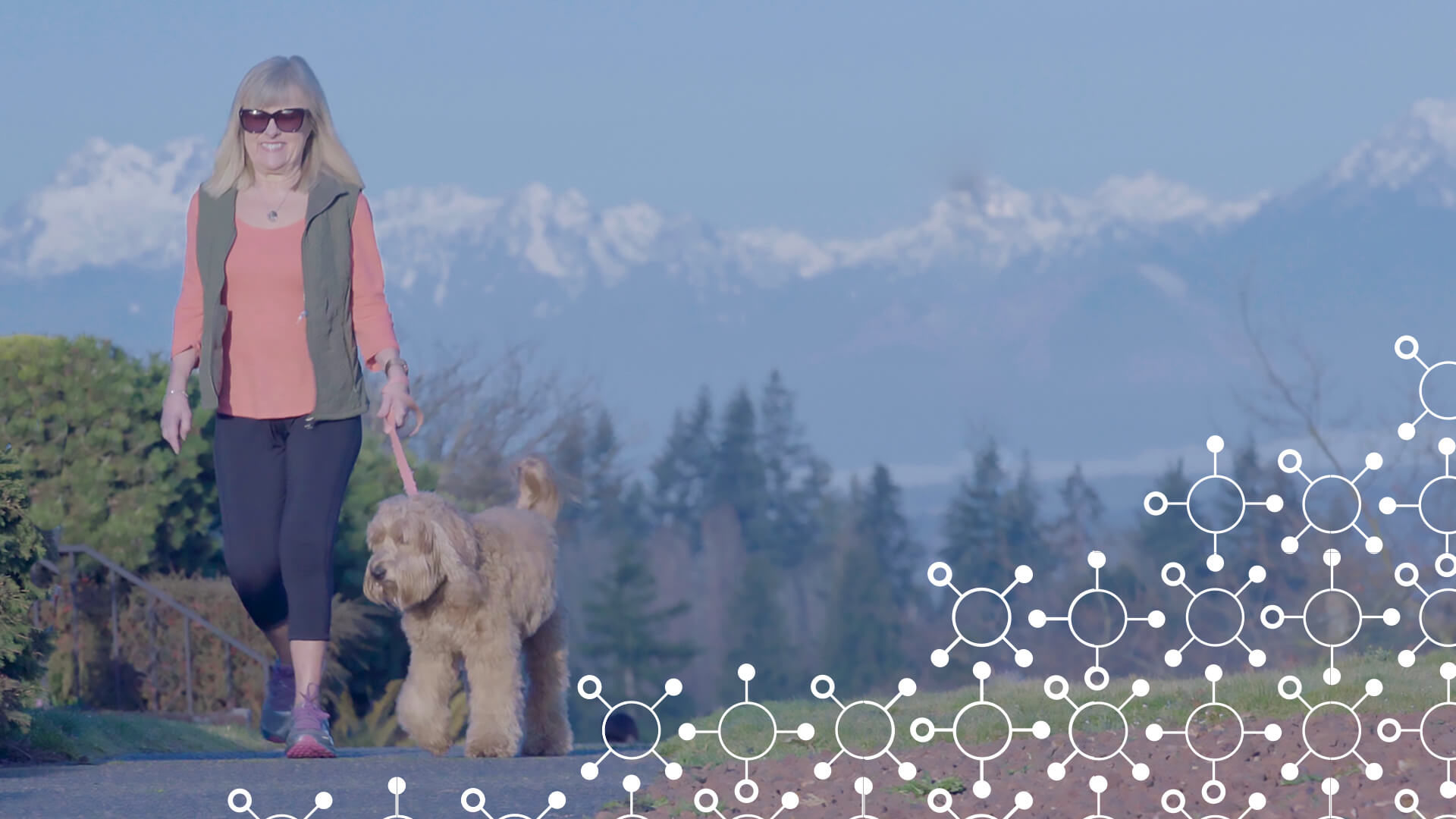
Out of Balance | Linda's life with RA
Linda Sloate is one of more than a million people in this country living with rheumatoid arthritis
cell science
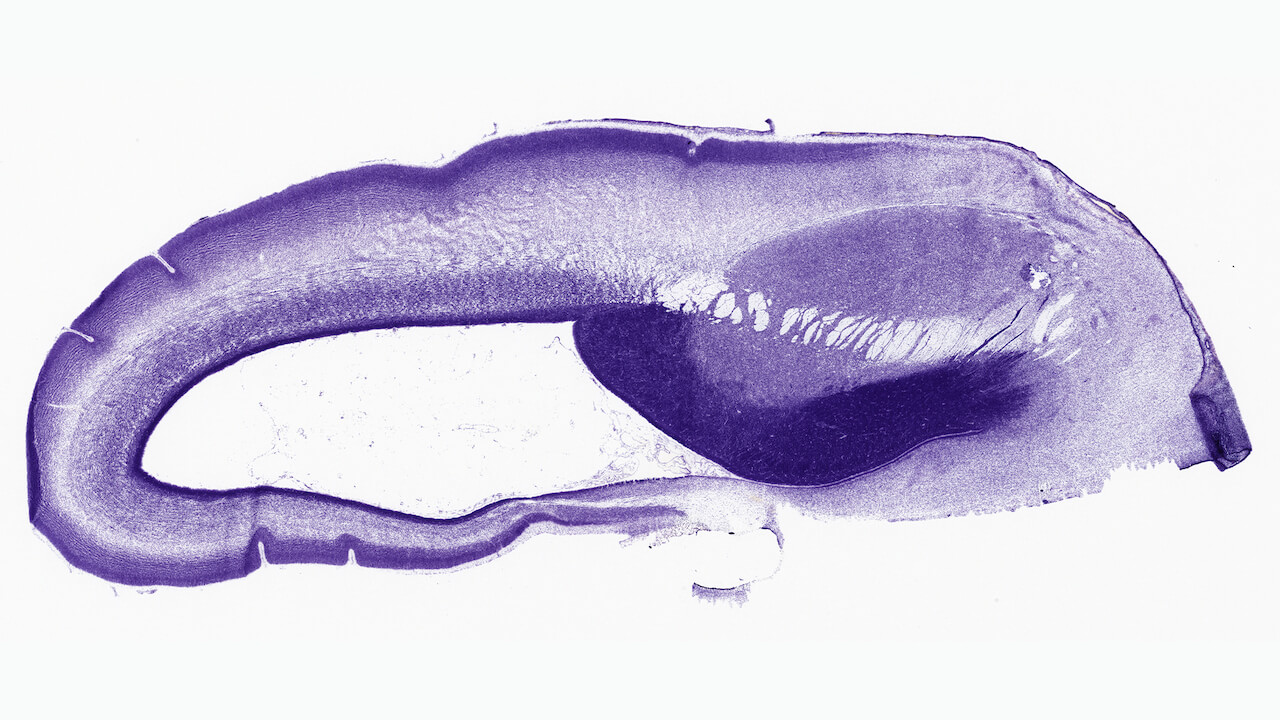
The genes that build our brains - and may drive neuropsychiatric diseases
One of the most complicated parts of your body - your brain - takes decades to come into its own. Human brain development begins before we are...
No items found.
news


No results found, try reducing your search parameters.
press & media contact
Get in touch for media inquiries and resources for covering science at the scale of greatest impact.
Thank you! Your submission has been received!
Oops! Something went wrong while submitting the form.



Fierce Biotech: Allen Institute's cell lines could lead to new drugs for hypertrophic cardiomyopathy
(Photo credit: Fierce Biotech) By helping scientists make generalizations about the disease by unearthing the common denominator between mutations, the cells could ultimately lead to more personalized treatment approaches.


KIRO Radio: Breakthroughs in Synthetic Biology
(Interview starts 11:35 in) Troy McDiarmid from the Seattle Center for Synthetic Biology describes the innovative research underway to create cellular recorders that will track the full life histories of human cells to better understand disease.

Puget Sound Business Journal: Seattle biotech research hub launches with big goals for growth, scientific advances
The Seattle Hub for Synthetic Biology is developing technology to monitor genomic changes in cells in real time, in turn showing cells' whole histories and the genetic causes of disease.
Inside Precision Medicine: How Single-Cell Omics is Revolutionizing Our View Of Neurobiology
(Photo credit: miakievy / Getty Images) The adult human brain is made up of billions of neurons and glial cells. Understanding the diversity of these cells and their distinctive gene-regulatory mechanisms is crucial for determining how the brain works and, in turn, for developing treatments for neurologic disorders

GeekWire: Inside the new Seattle Hub for Synthetic Biology, which uses DNA to ‘record biology over time’
(Photo credit: Charlotte Schubert) Researchers opened the doors Monday to the new Seattle Hub for Synthetic Biology, a collaboration between the Allen Institute, the Chan Zuckerberg Initiative and the University of Washington.