stories
news from the front lines of discovery
From scientific breakthroughs to new open‑source tools, the Allen Institute’s work is reshaping how science is done—and who it’s for. Explore the latest news, stories, and highlights from across our research, partnerships, and open science efforts.


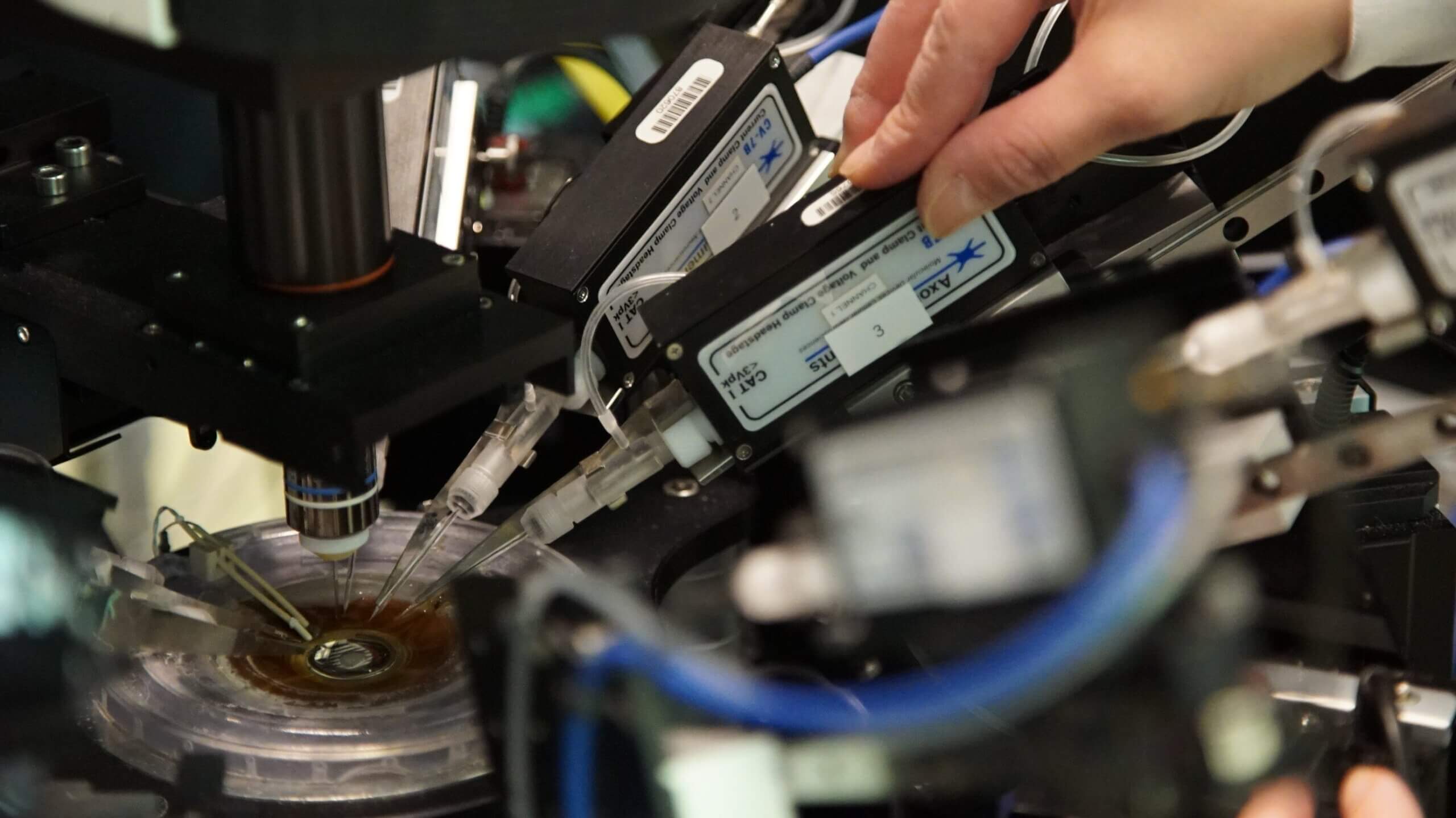
Zapping the right brain cells: The path to improved stimulation
New findings could help scientists develop better ways to treat brain disorders with electrical stimulation.
Thank you! Your submission has been received!
Oops! Something went wrong while submitting the form.
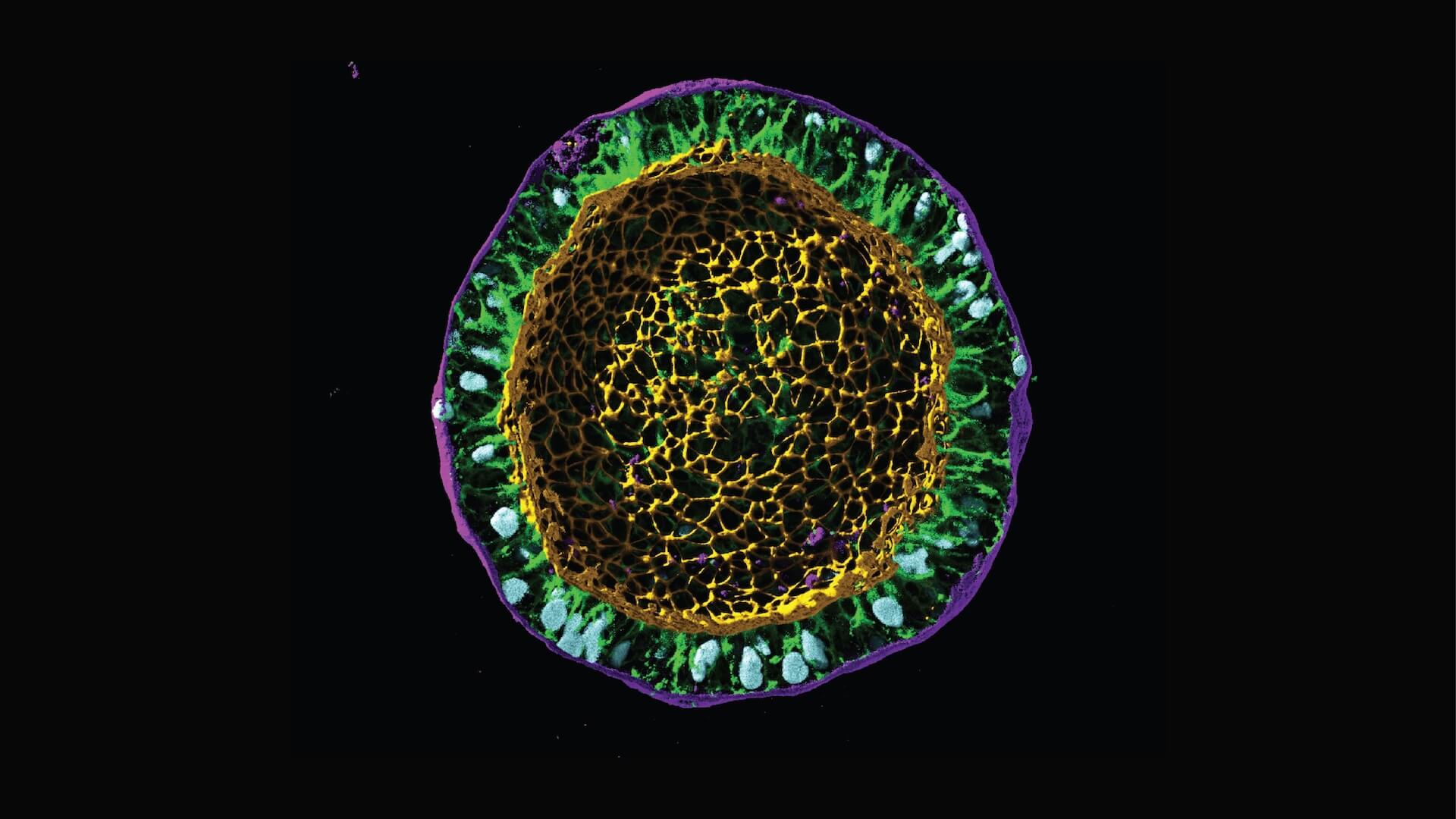
Allen Institute launches CellScapes initiative to transform our understanding of how human cells build tissues and organs
No items found.
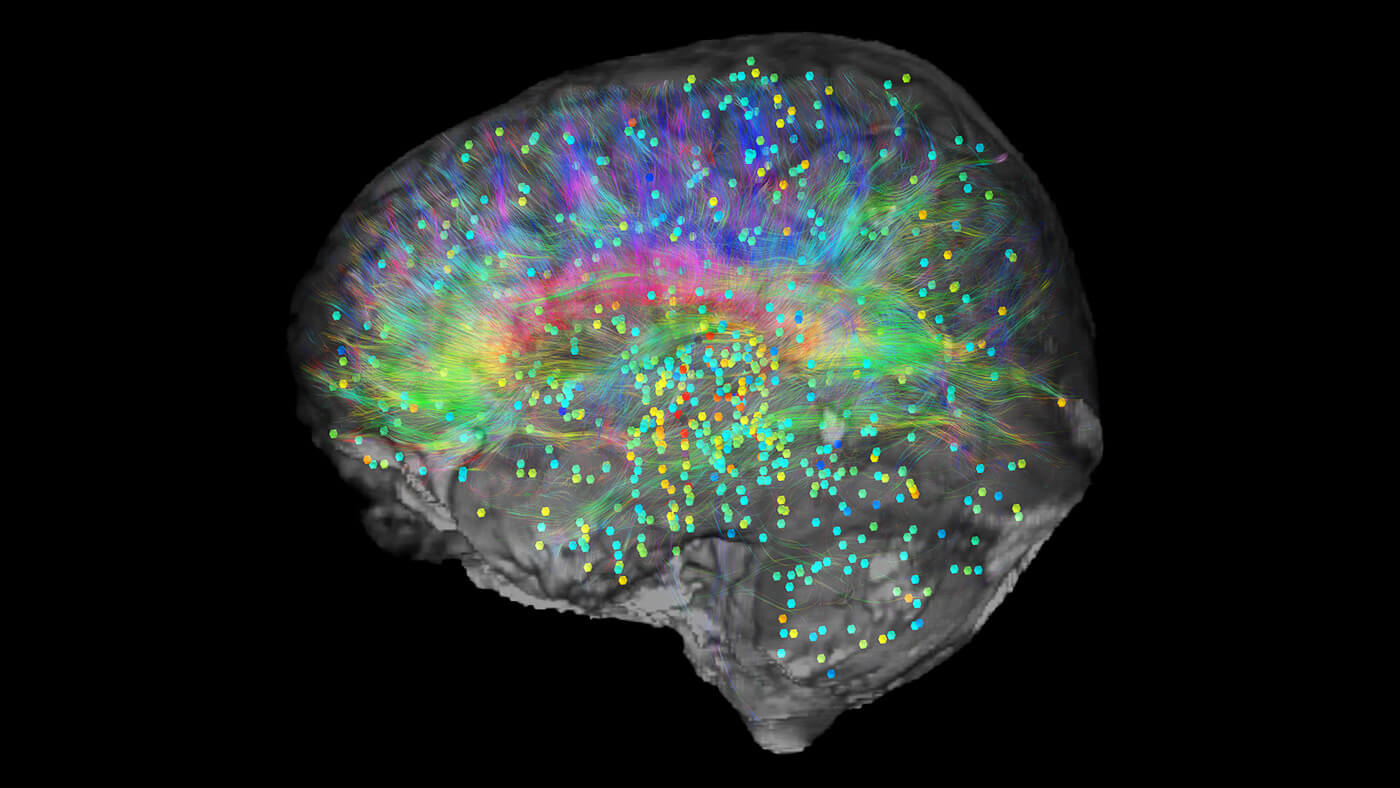

Landmark experiment sheds new light on the origins of consciousness
Findings suggest it may be about sensory processing and perception, with possible implications for diagnosing and treating comas or vegetative states.
No items found.
news
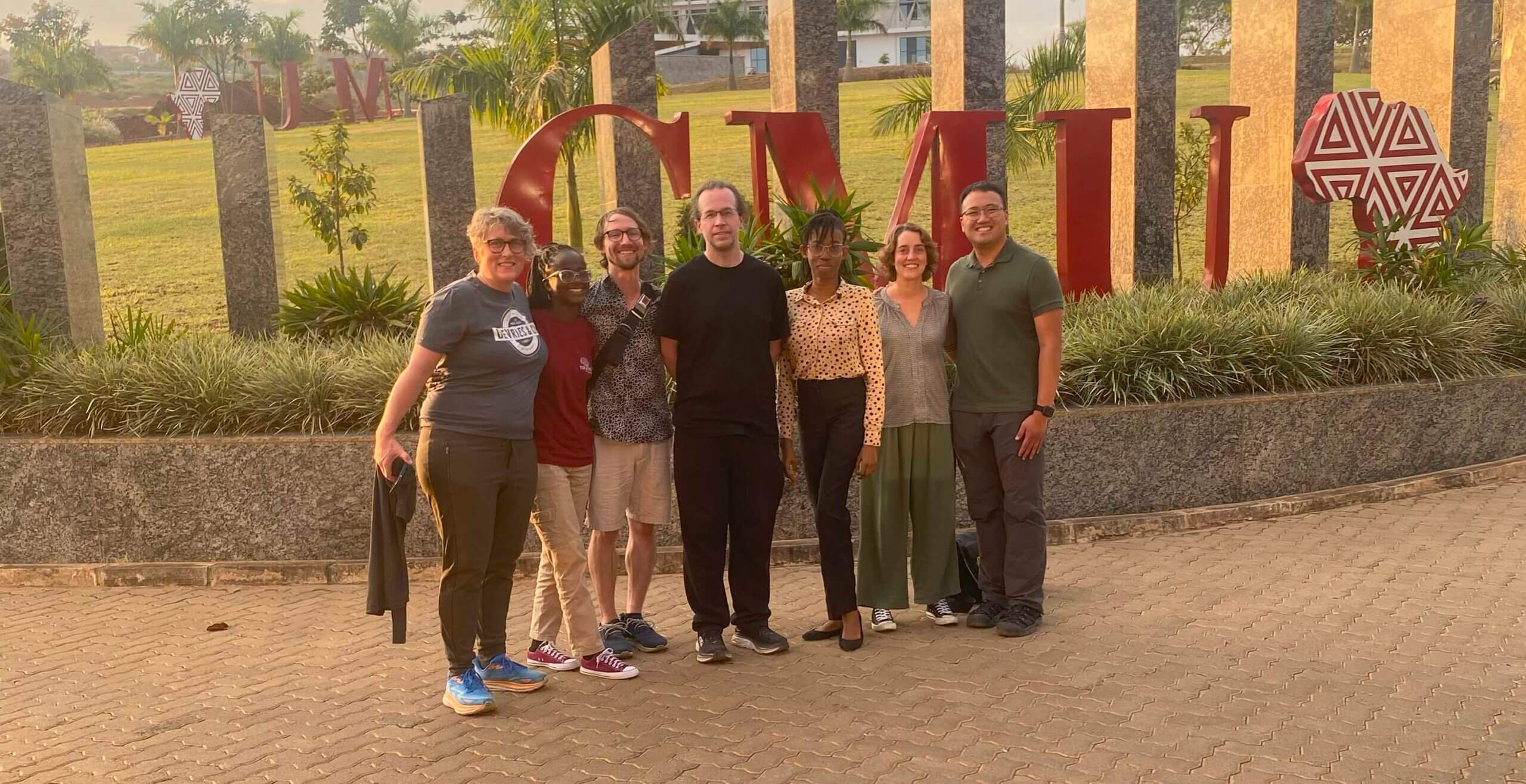
Jessica Oparebea is hoping to use science to heal and restore lives
Driven by a passion for neuroscience and optics, and inspired by the TReND-CaMinA workshop, Jessica hopes to develop breakthroughs in brain-machine interfaces
No items found.
news
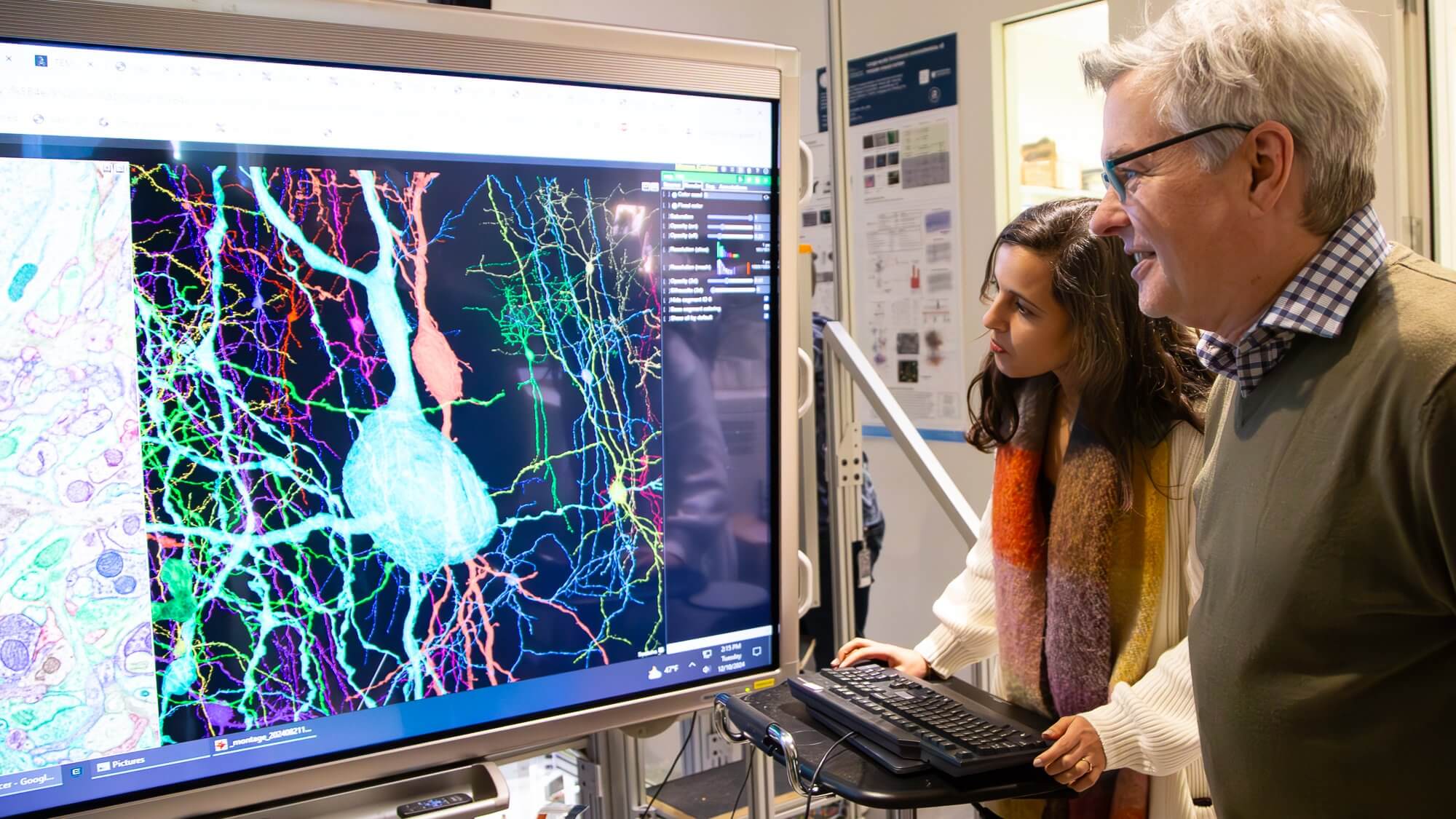
Scientists complete largest wiring diagram and functional map of the brain to date
The MICrONS Project is considered the most complicated neuroscience experiment ever attempted
No items found.
news
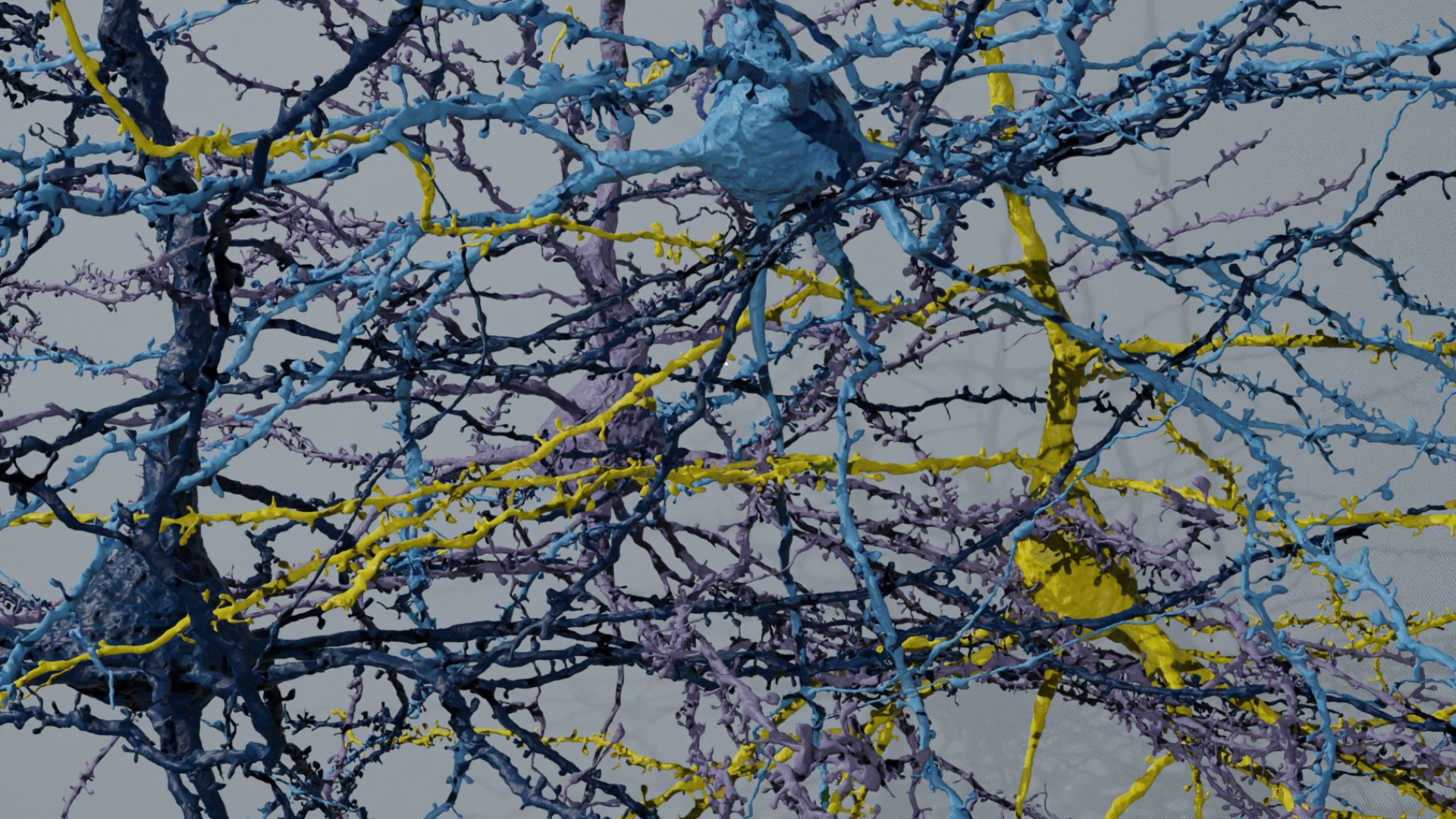

Revealing the largest wiring diagram and functional map of the brain through MICrONS
Scientists have created the largest wiring diagram and functional map of an animal brain
brain science
video
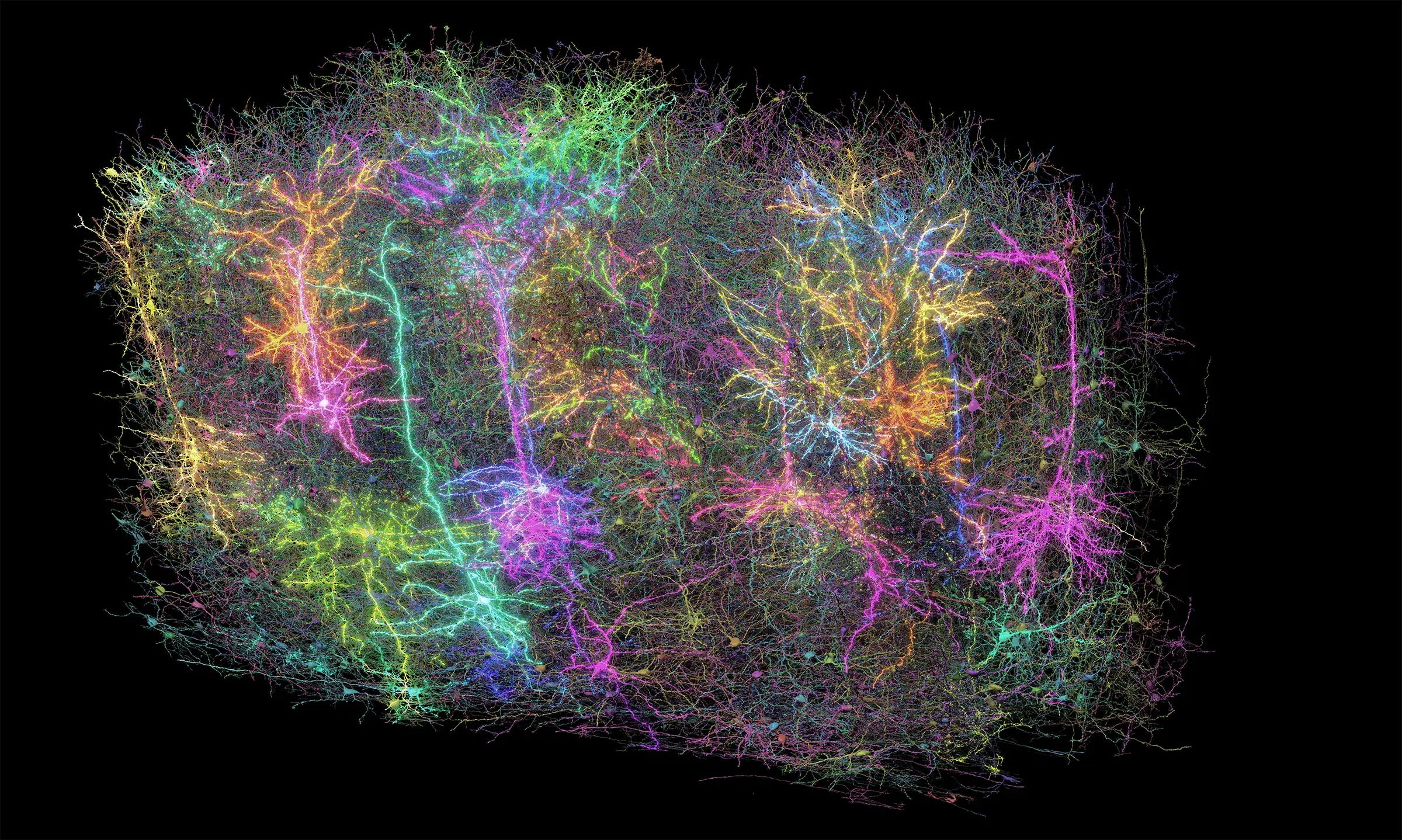
Attempting the impossible: A 20-year journey to learn the language of the brain
In what is considered the most complicated neuroscience experiment ever attempted, scientists from the Allen Institute and global collaborators have...
brain science
news

Explore the connections of the brain - MICrONS neuroscience data insights
This video showcases neuroscience data insights from the MICrONS project
No items found.
video
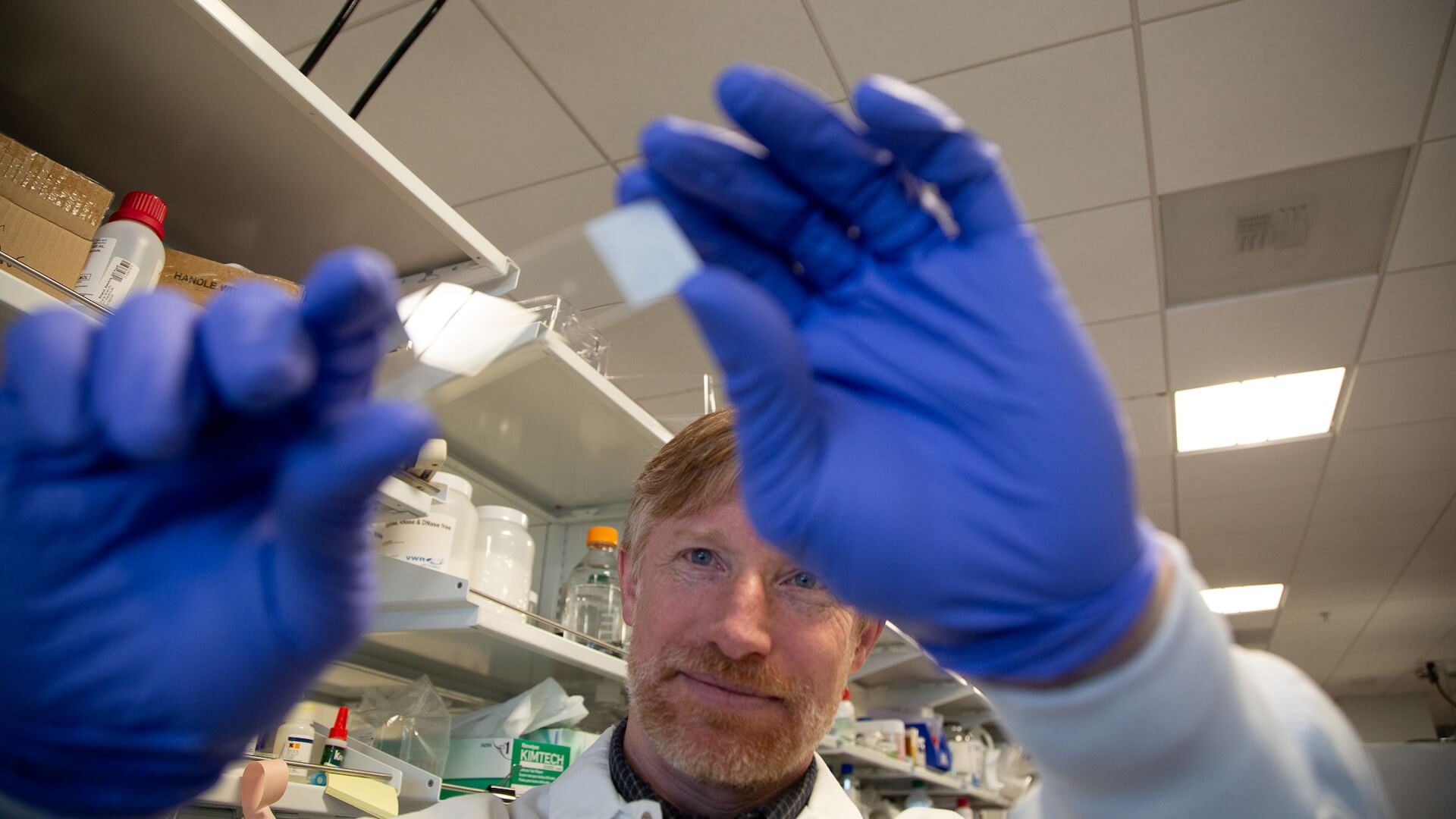
Breakthrough Dravet Syndrome gene therapy in mice brings new hope to families
In a groundbreaking advancement scientists have developed a new gene replacement therapy in mice that could lead to more effective treatments in...
No items found.
Breakthrough Dravet Syndrome gene therapy in mice brings new hope to families
In a groundbreaking advancement scientists have developed a new gene replacement therapy in mice that could lead to more effective treatments in...
No items found.
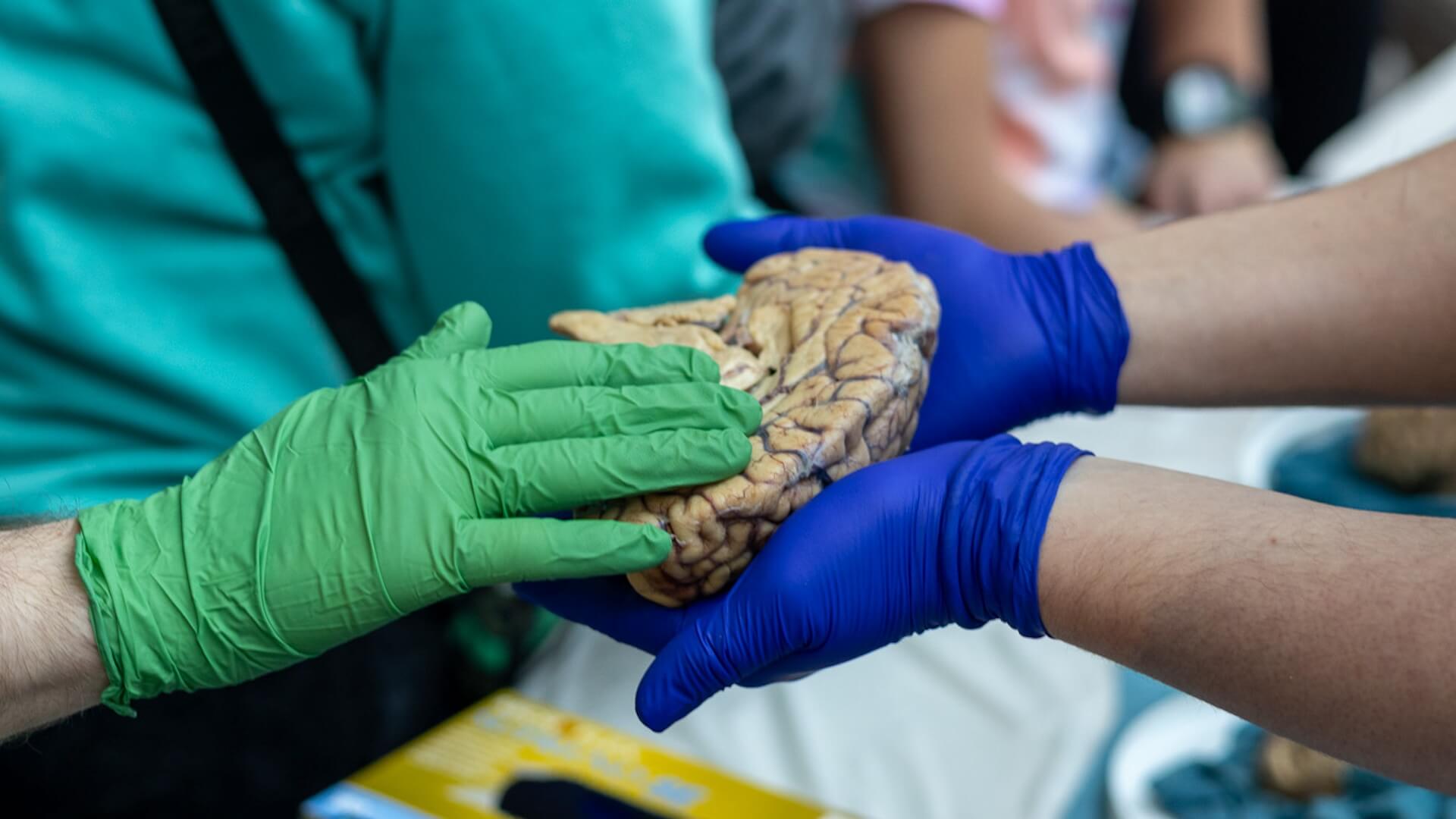
Brainy fun for all ages at BrainFest 2025
Thousands of visitors gathered to explore their amazing brains at the second annual BrainFest, a partnership of the Allen Institute and Pacific Science Center
No items found.
news

No results found, try reducing your search parameters.
press & media contact
Get in touch for media inquiries and resources for covering science at the scale of greatest impact.
Thank you! Your submission has been received!
Oops! Something went wrong while submitting the form.



Fierce Biotech: Allen Institute's cell lines could lead to new drugs for hypertrophic cardiomyopathy
(Photo credit: Fierce Biotech) By helping scientists make generalizations about the disease by unearthing the common denominator between mutations, the cells could ultimately lead to more personalized treatment approaches.


KIRO Radio: Breakthroughs in Synthetic Biology
(Interview starts 11:35 in) Troy McDiarmid from the Seattle Center for Synthetic Biology describes the innovative research underway to create cellular recorders that will track the full life histories of human cells to better understand disease.

Puget Sound Business Journal: Seattle biotech research hub launches with big goals for growth, scientific advances
The Seattle Hub for Synthetic Biology is developing technology to monitor genomic changes in cells in real time, in turn showing cells' whole histories and the genetic causes of disease.
Inside Precision Medicine: How Single-Cell Omics is Revolutionizing Our View Of Neurobiology
(Photo credit: miakievy / Getty Images) The adult human brain is made up of billions of neurons and glial cells. Understanding the diversity of these cells and their distinctive gene-regulatory mechanisms is crucial for determining how the brain works and, in turn, for developing treatments for neurologic disorders

GeekWire: Inside the new Seattle Hub for Synthetic Biology, which uses DNA to ‘record biology over time’
(Photo credit: Charlotte Schubert) Researchers opened the doors Monday to the new Seattle Hub for Synthetic Biology, a collaboration between the Allen Institute, the Chan Zuckerberg Initiative and the University of Washington.