stories
news from the front lines of discovery
From scientific breakthroughs to new open‑source tools, the Allen Institute’s work is reshaping how science is done—and who it’s for. Explore the latest news, stories, and highlights from across our research, partnerships, and open science efforts.


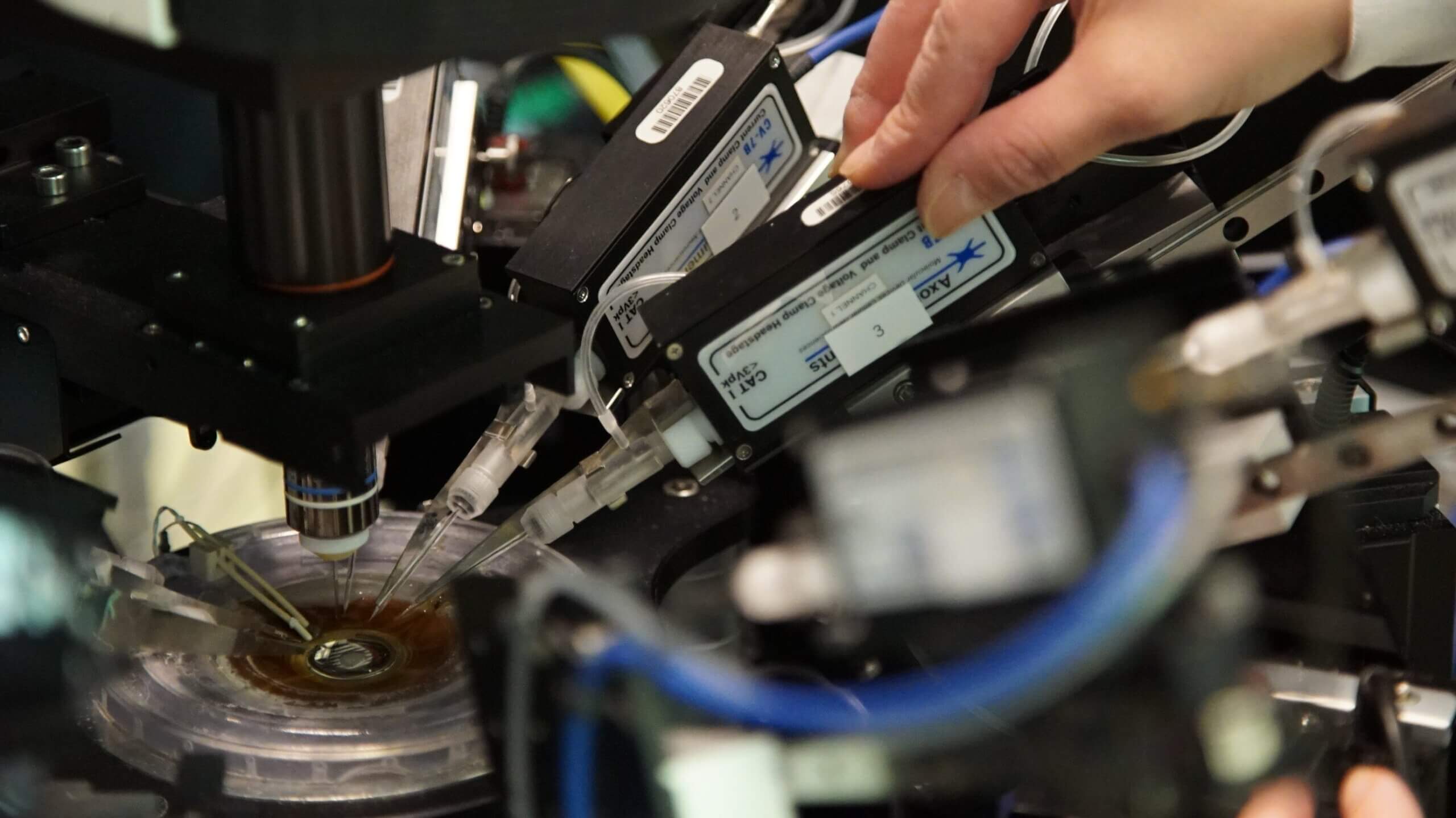
Zapping the right brain cells: The path to improved stimulation
New findings could help scientists develop better ways to treat brain disorders with electrical stimulation.
Thank you! Your submission has been received!
Oops! Something went wrong while submitting the form.
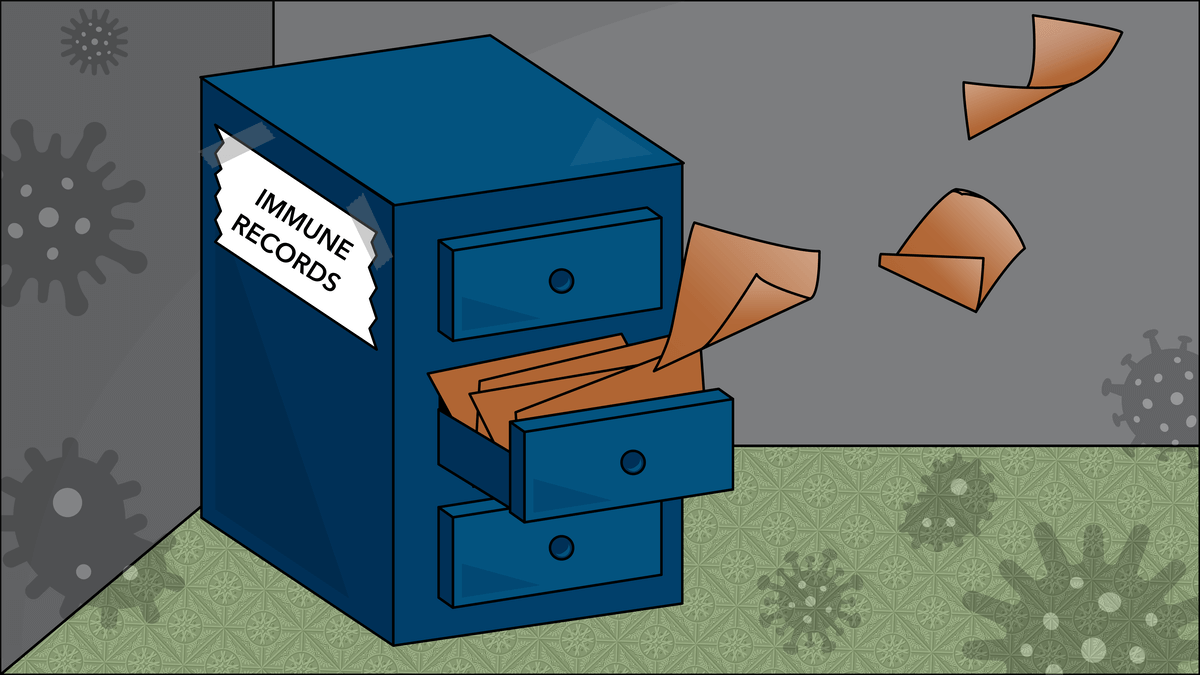

5 cool things your immune system can do
Hack evolution, keep lifelong exposure records and more - immunologists share some of the far-out cellular feats happening in your body on a regular...
No items found.
news
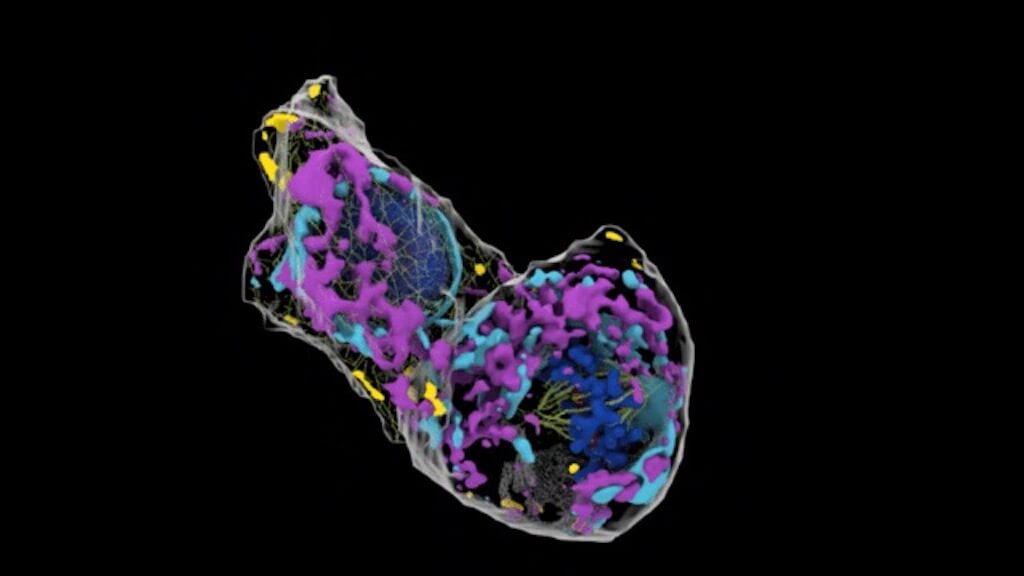
Cytiva licenses Allen Institute’s advanced machine learning technology to develop new cell imaging techniques
Strategic license to advance the field of 3D and live cell imaging
No items found.
news
Could treatments aimed at Alzheimer’s disease help combat COVID-19?
A team of cardiology researchers had a creative idea for a new way to treat dementia. Now they think it could help coronavirus patients too.
No items found.
news
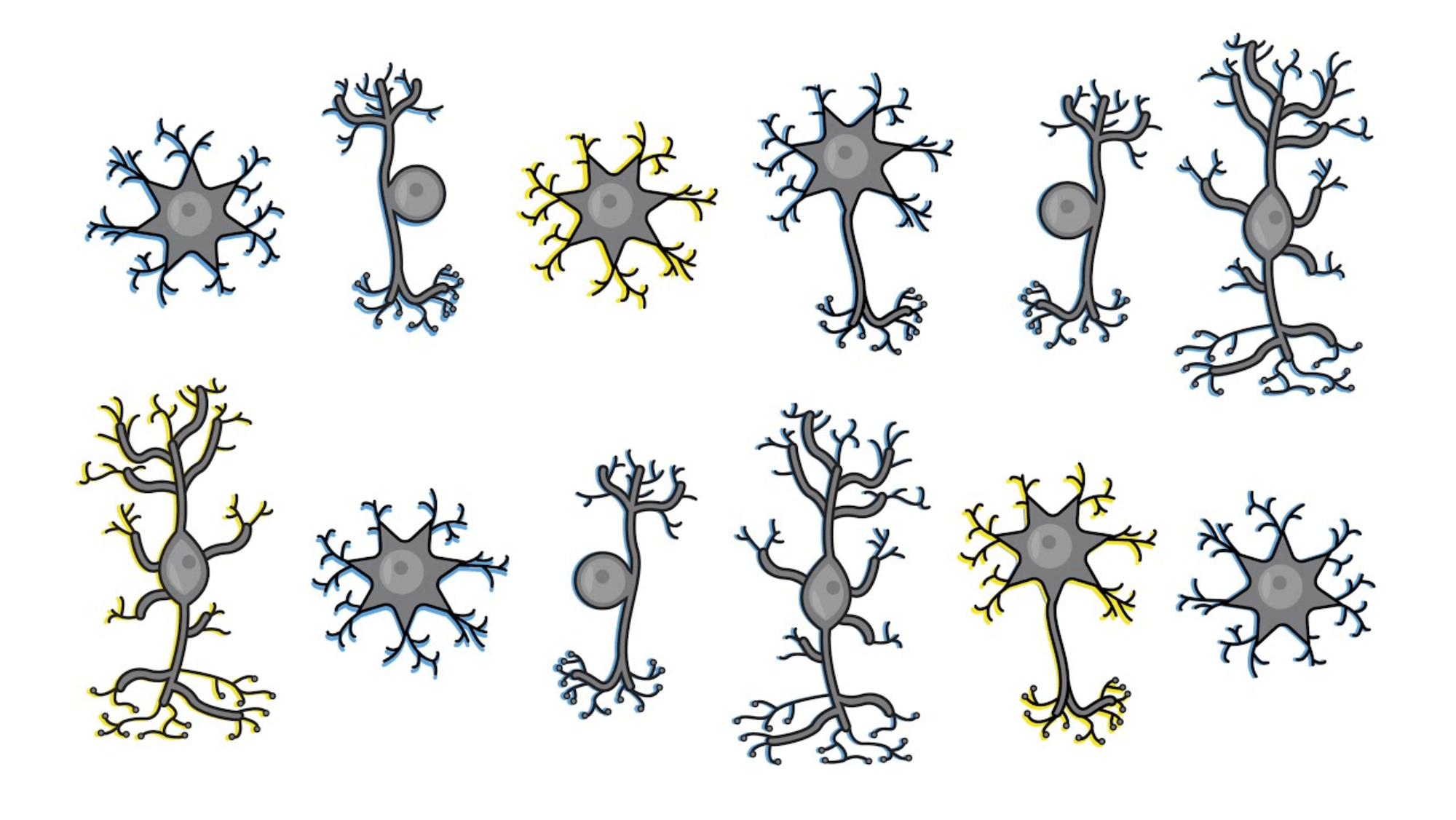

A new approach to Alzheimer’s disease research
Most efforts to treat Alzheimer's disease simply haven't worked. That's why leading researchers in Seattle are teaming up with us to study early...
No items found.
video
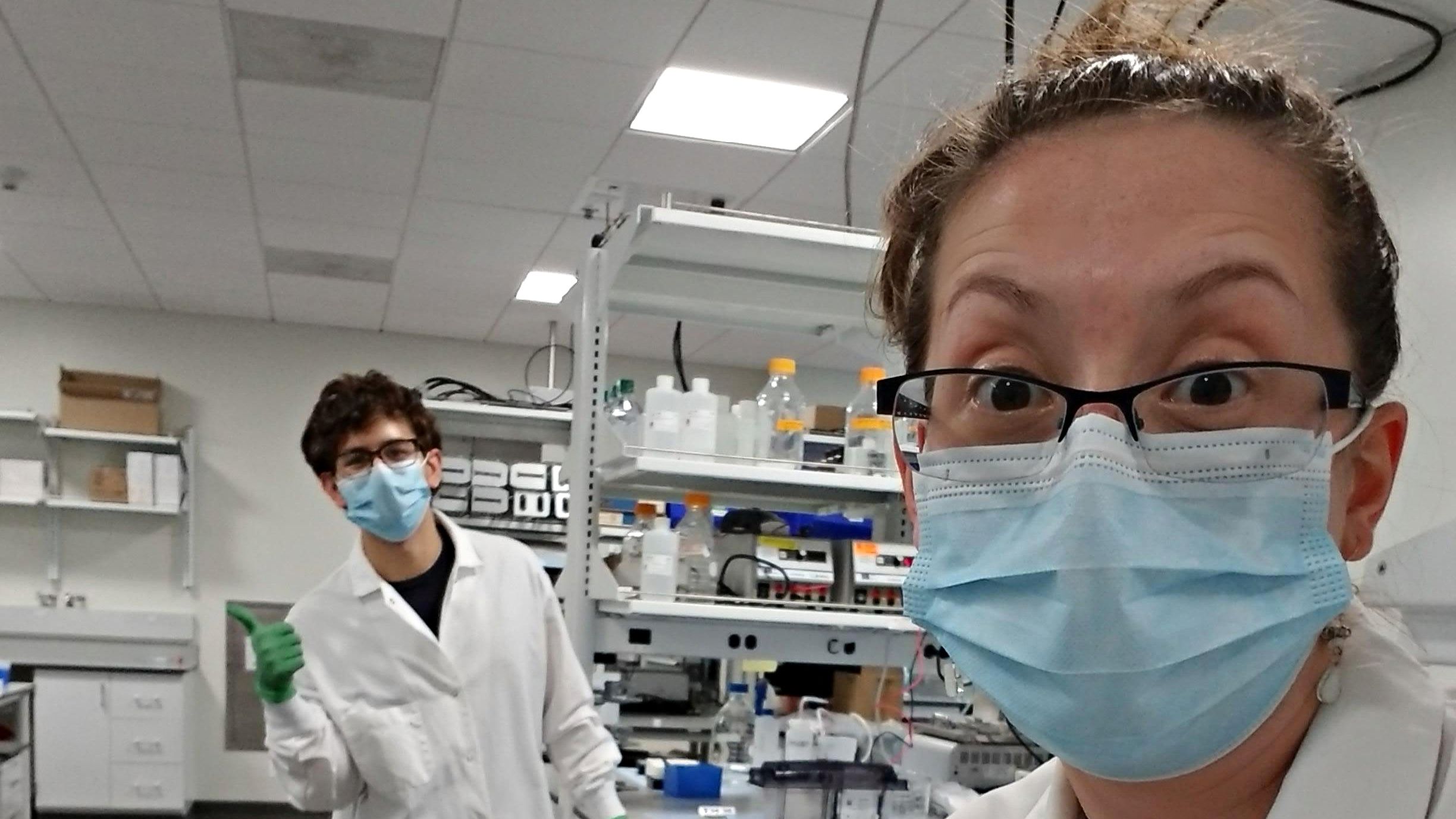
Team science in the era of remote work
As the COVID-19 pandemic dictates physical distance and many scientists are working from home, how can teams pivot to pull off coordinated research...
No items found.
news
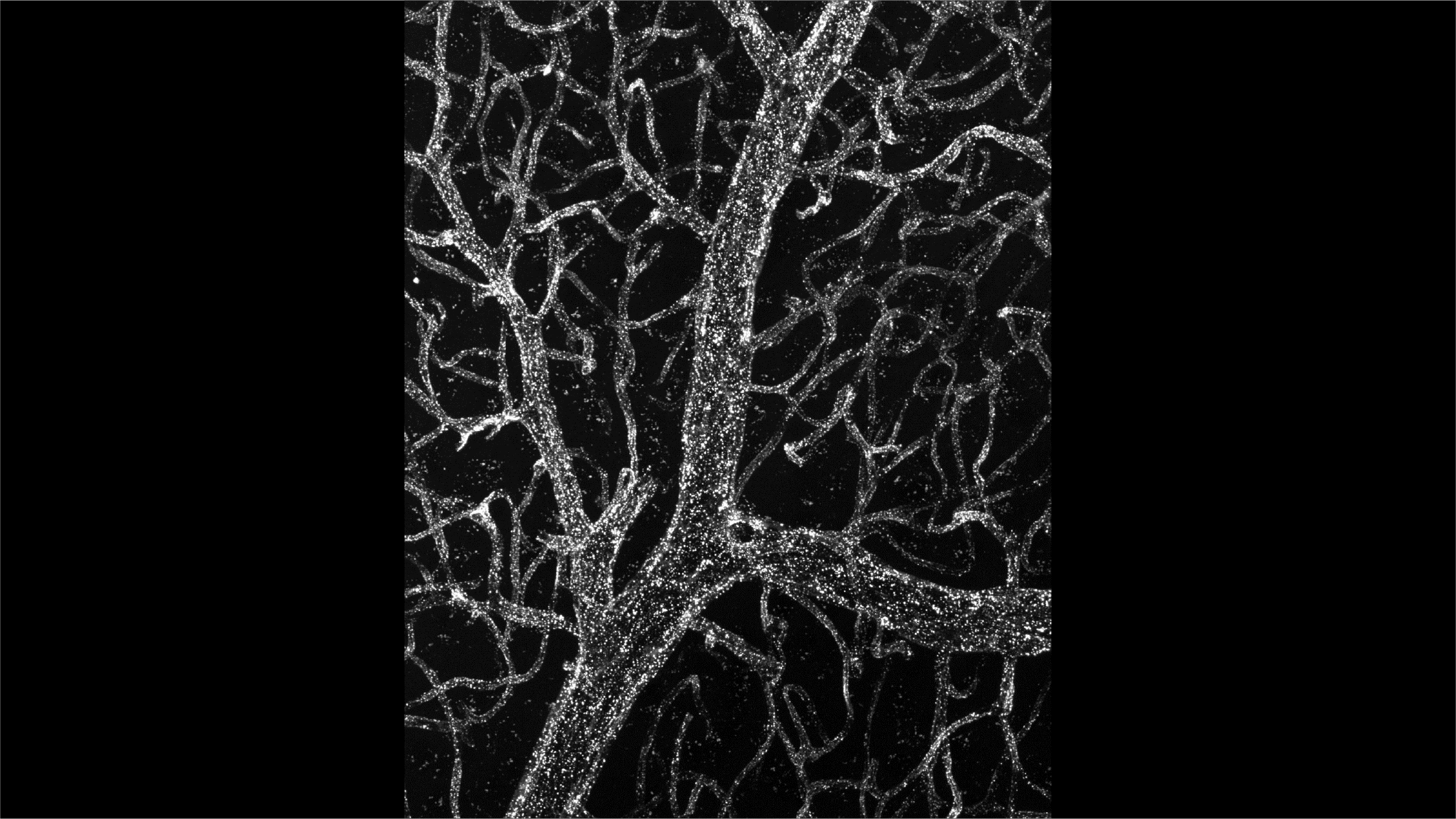
Old age changes the way blood accesses the brain
A new study in mice shows that contrary to longstanding dogma, blood proteins easily cross into the brain, but transport machinery breaks down with ag...
No items found.
news
The Leukemia & Lymphoma Society, The Mark Foundation for Cancer Research and The Paul G. Allen Frontiers Group Partner to Award $6.75M in New Grants to Drive the Next Wave of Novel Cancer Therapies
New “Blood Cancer Discoveries Grant Program” supported by a novel three-way collaboration
No items found.
news
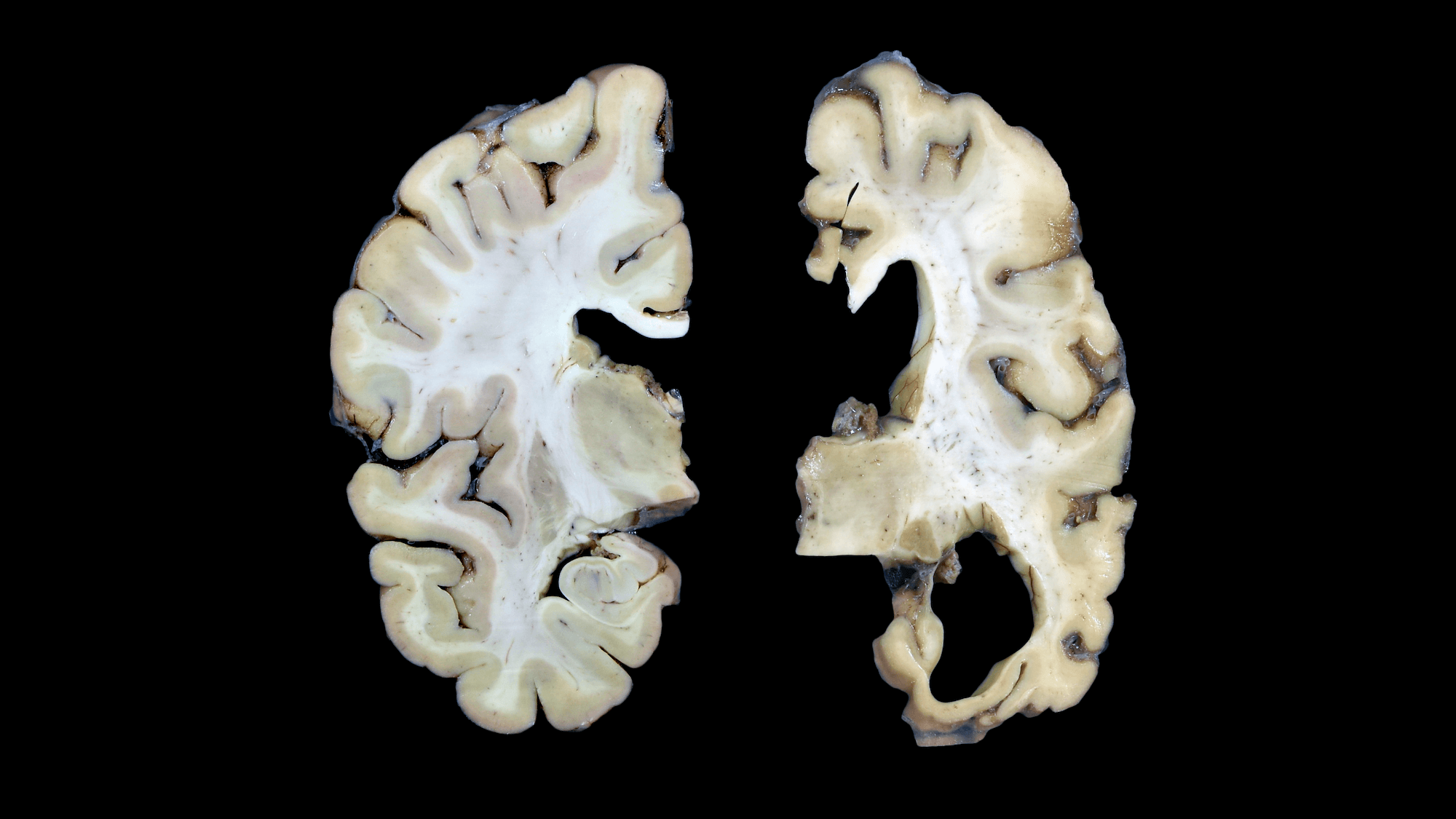
Seattle researchers team up to build hi-res brain map of Alzheimer's disease
$40.5M NIH-funded project aims to pinpoint cells at the root of the progressive brain disease and home in on new therapeutic targets
No items found.
news
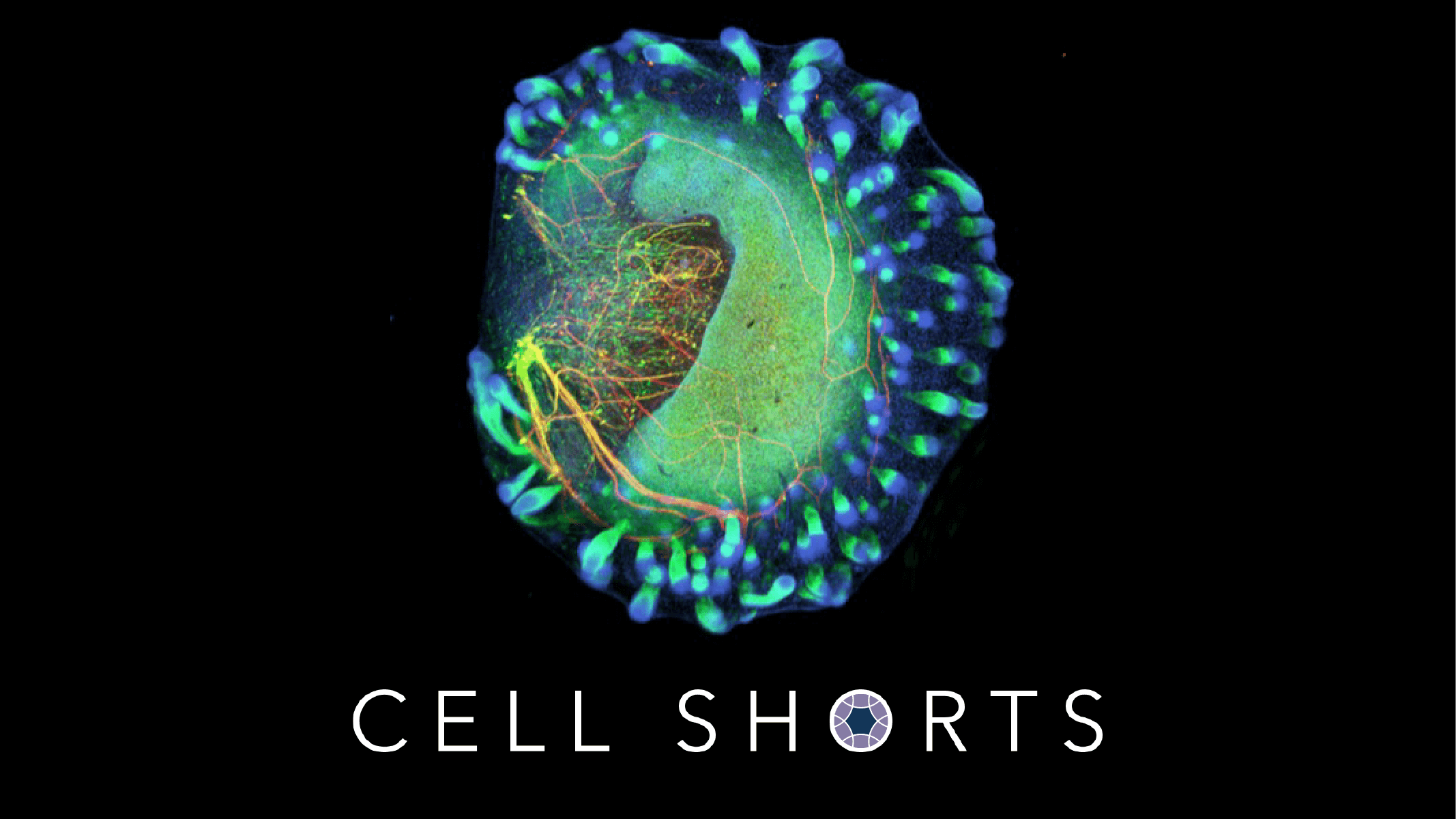
Cell Shorts | Lab-grown human skin holds promise for skin grafts
Researchers have succeeded in growing the most lifelike human skin in the lab to date. Allen Institute for Cell Science cell lines formed the basis...
No items found.
news
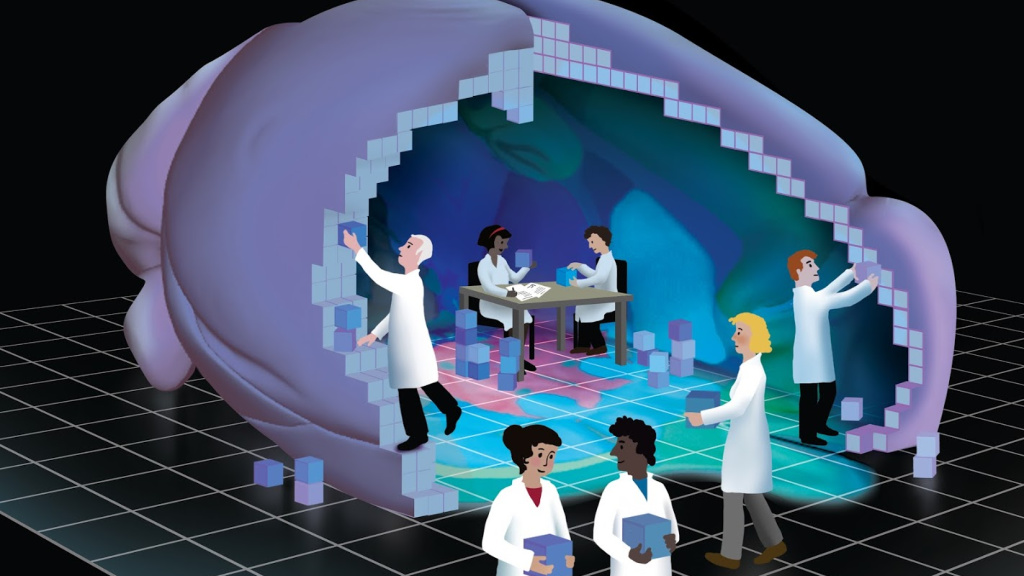
A new high-resolution, 3D map of the whole mouse brain
The reference atlas, years in the making, offers common ground to put neuroscience findings in context
brain science
news


No results found, try reducing your search parameters.
press & media contact
Get in touch for media inquiries and resources for covering science at the scale of greatest impact.
Thank you! Your submission has been received!
Oops! Something went wrong while submitting the form.


Biologists Get $100 Million From Billionaire Paul Allen To Investigate Cells
With a gift of $100 million from billionaire philanthropist Paul G. Allen, scientists will embark on an effort to understand how cells work and how they malfunction in disease. Leaders of this new endeavor announced the launch of the Seattle-based Allen Institute for Cell Science today at the annual meeting of the American Society for Cell Biology in Philadelphia.



Billionaire Paul Allen donates $100m to new ‘industrial scale’ effort to understand human cells
Microsoft co-founder Paul G. Allen is donating $100 million of his fortune to launch what he calls an “industrial-scale” effort to understand the basic building block of all living things: the cell.



Microsoft mogul to create new cell science center
Science - Eleven years after he established an institute dedicated to mapping the brain, Microsoft co-founder Paul Allen is announcing a sequel: the Allen Institute for Cell Science. Just like its predecessor, the new institute will be seeded with $100 million from Allen himself; will embrace big-team science, bringing together cell biologists, mathematicians, computational biologists, and other specialists; and will seek to decipher a world whose complexity is still largely uncharted.