stories
news from the front lines of discovery
From scientific breakthroughs to new open‑source tools, the Allen Institute’s work is reshaping how science is done—and who it’s for. Explore the latest news, stories, and highlights from across our research, partnerships, and open science efforts.


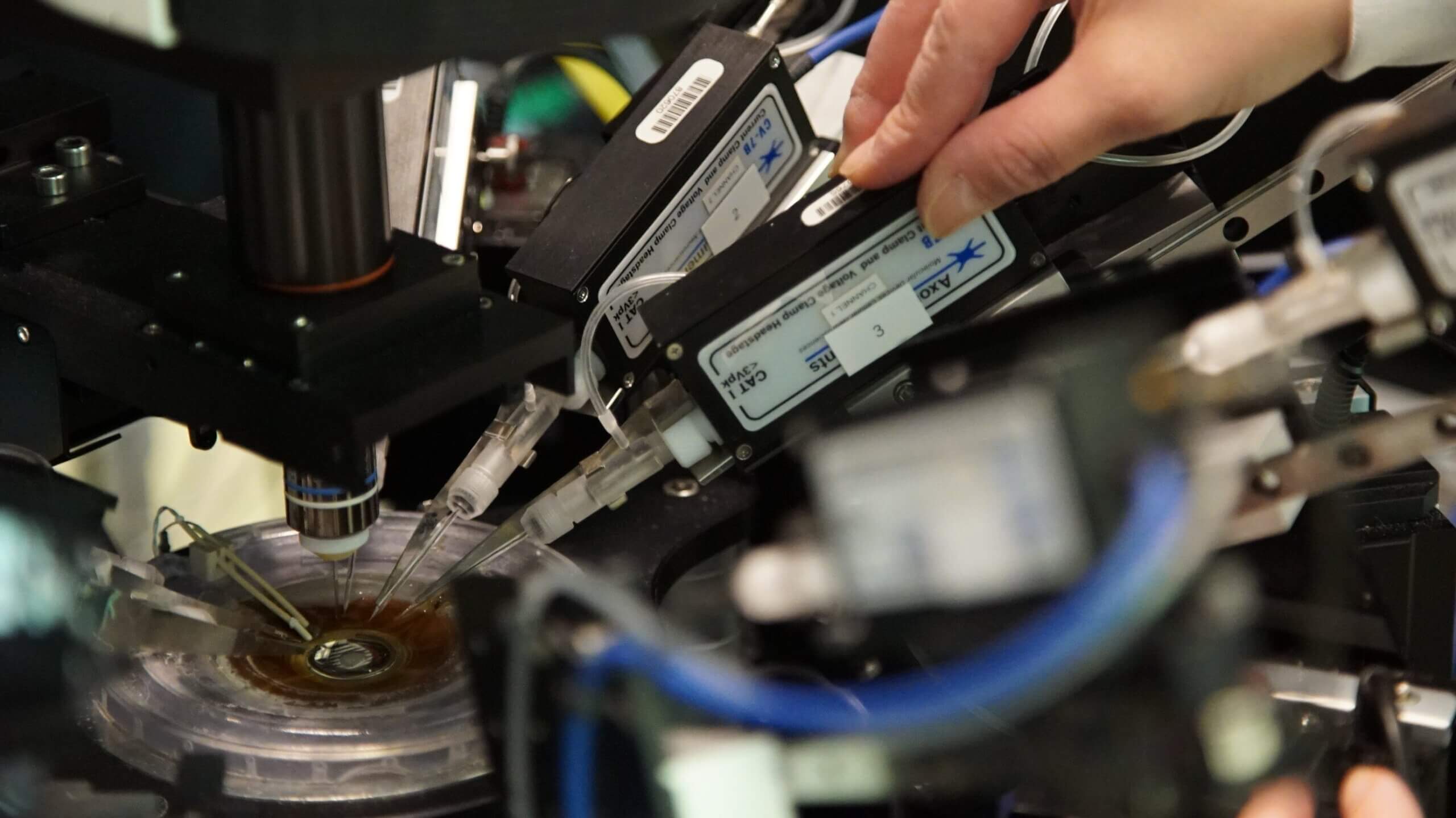
Zapping the right brain cells: The path to improved stimulation
New findings could help scientists develop better ways to treat brain disorders with electrical stimulation.
Thank you! Your submission has been received!
Oops! Something went wrong while submitting the form.
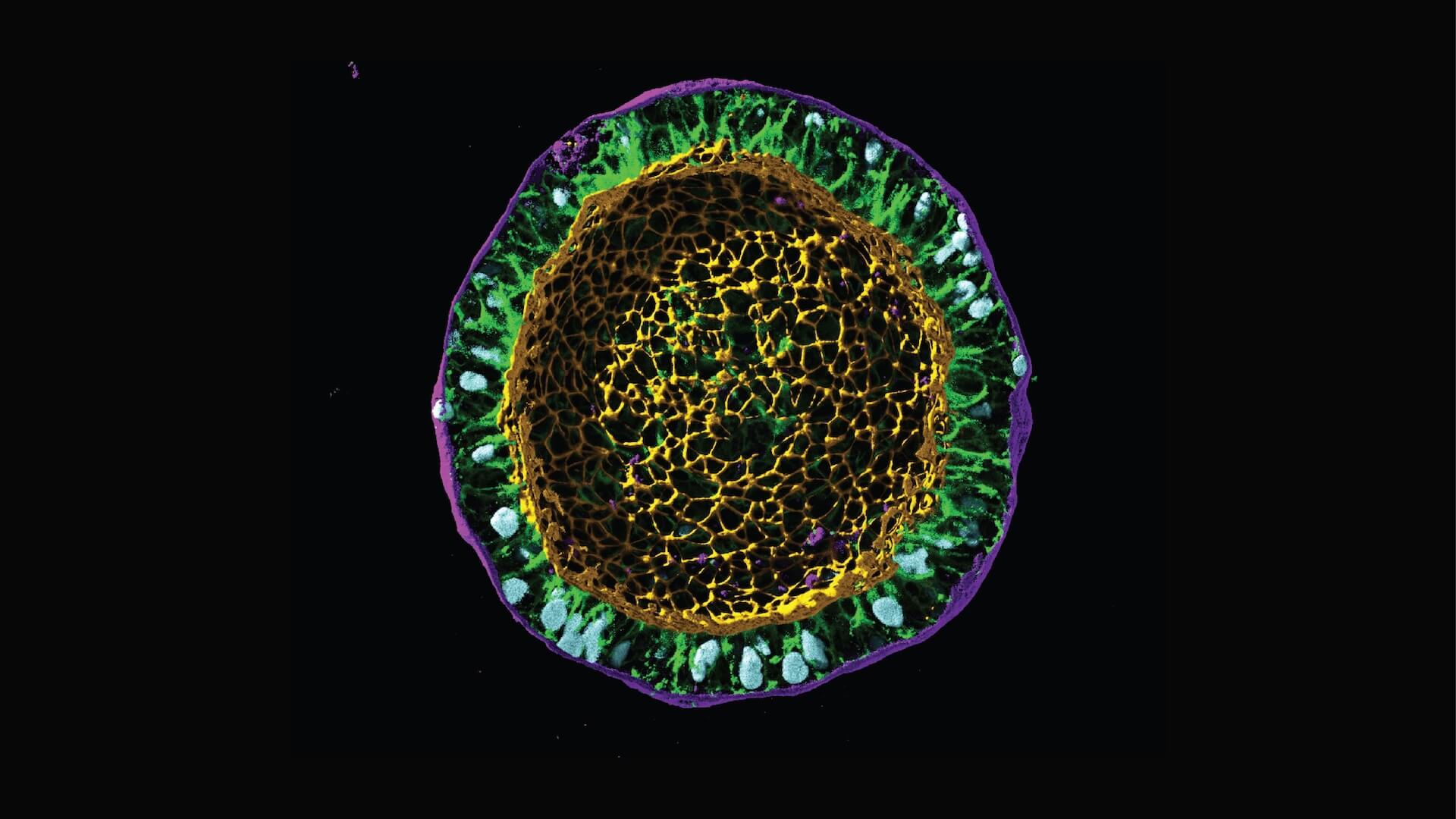
Allen Institute launches CellScapes initiative to transform our understanding of how human cells build tissues and organs
No items found.
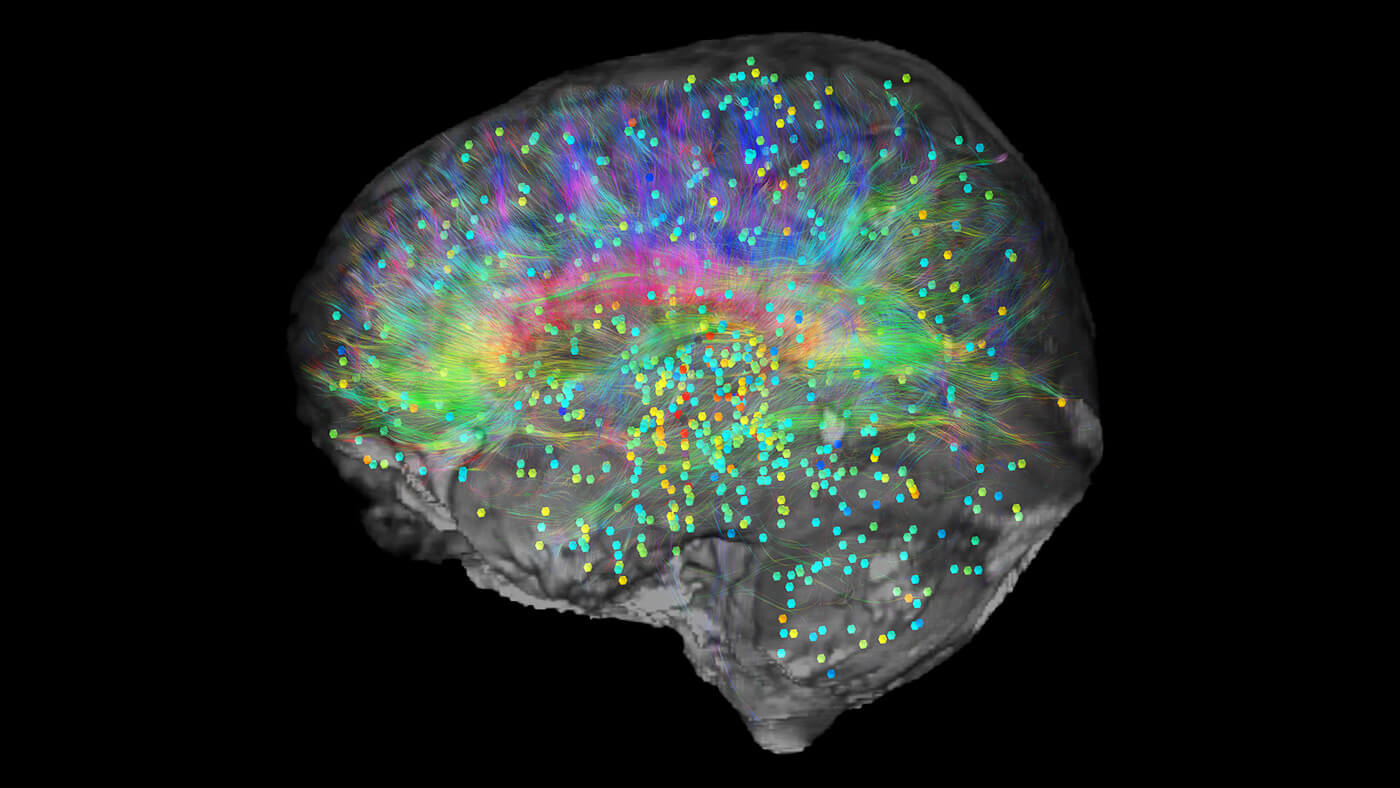

Landmark experiment sheds new light on the origins of consciousness
Findings suggest it may be about sensory processing and perception, with possible implications for diagnosing and treating comas or vegetative states.
No items found.
news
Jessica Oparebea is hoping to use science to heal and restore lives
Driven by a passion for neuroscience and optics, and inspired by the TReND-CaMinA workshop, Jessica hopes to develop breakthroughs in brain-machine interfaces
No items found.
news
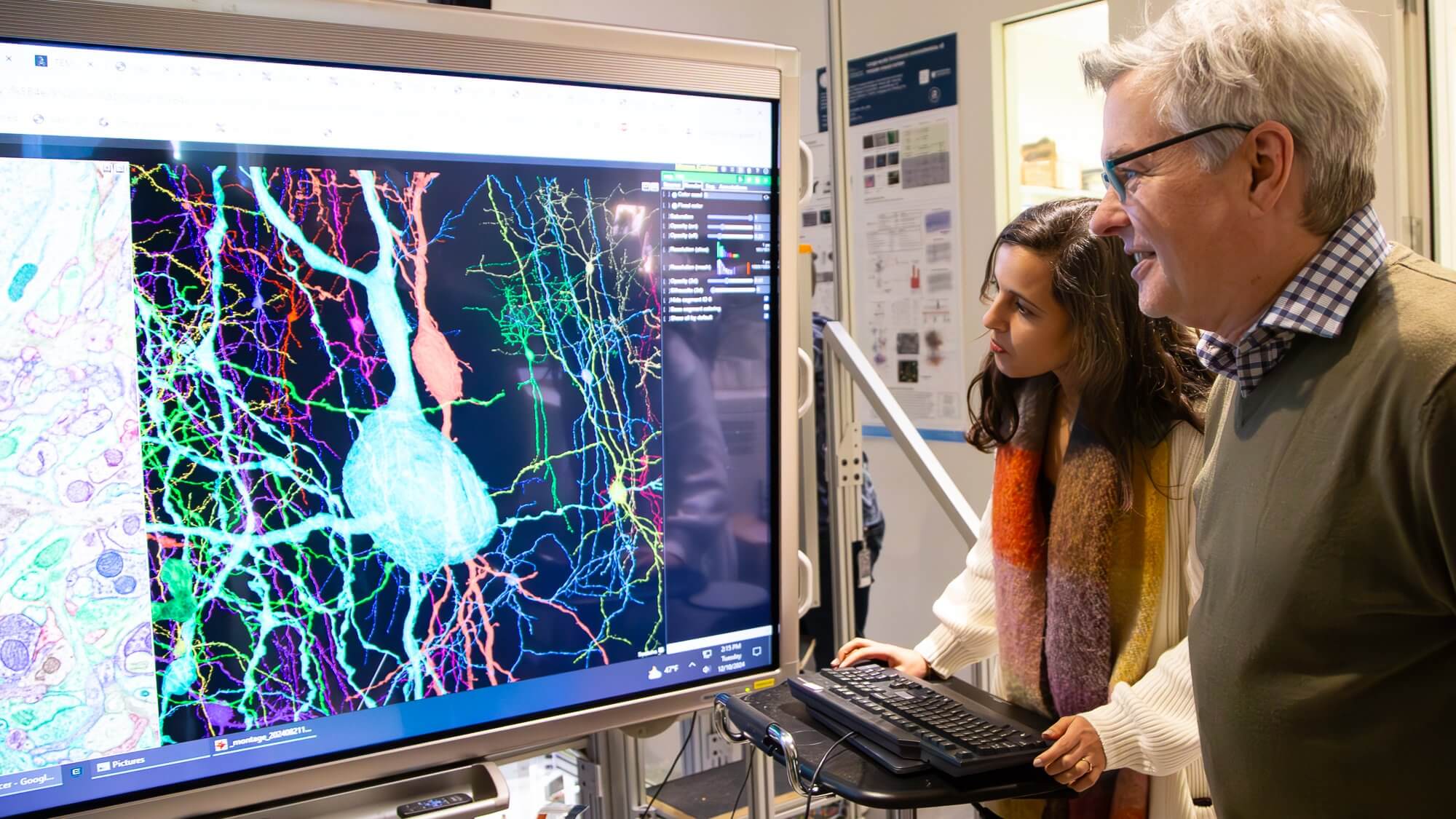
Scientists complete largest wiring diagram and functional map of the brain to date
The MICrONS Project is considered the most complicated neuroscience experiment ever attempted
No items found.
news
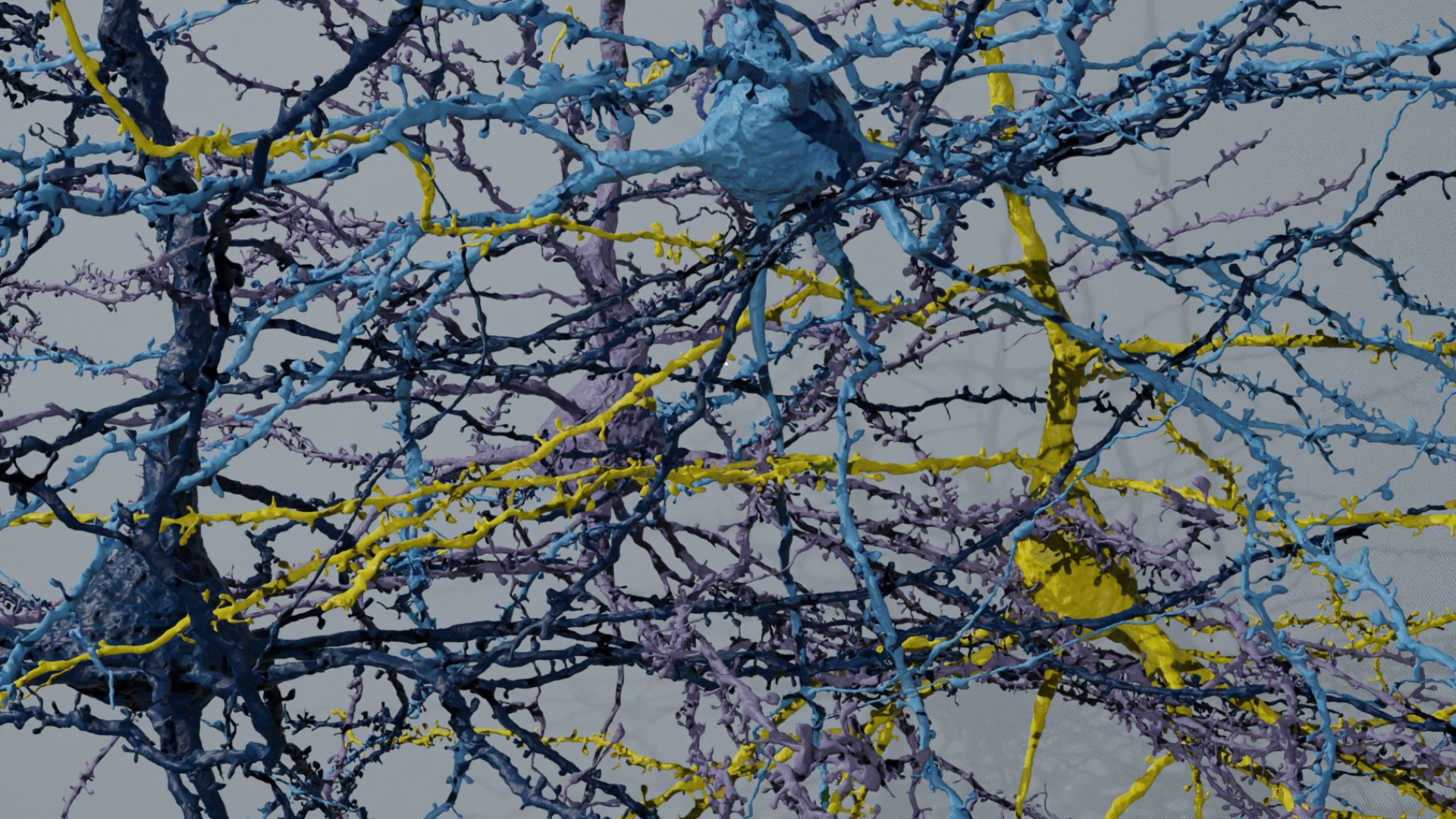

Revealing the largest wiring diagram and functional map of the brain through MICrONS
Scientists have created the largest wiring diagram and functional map of an animal brain
brain science
video
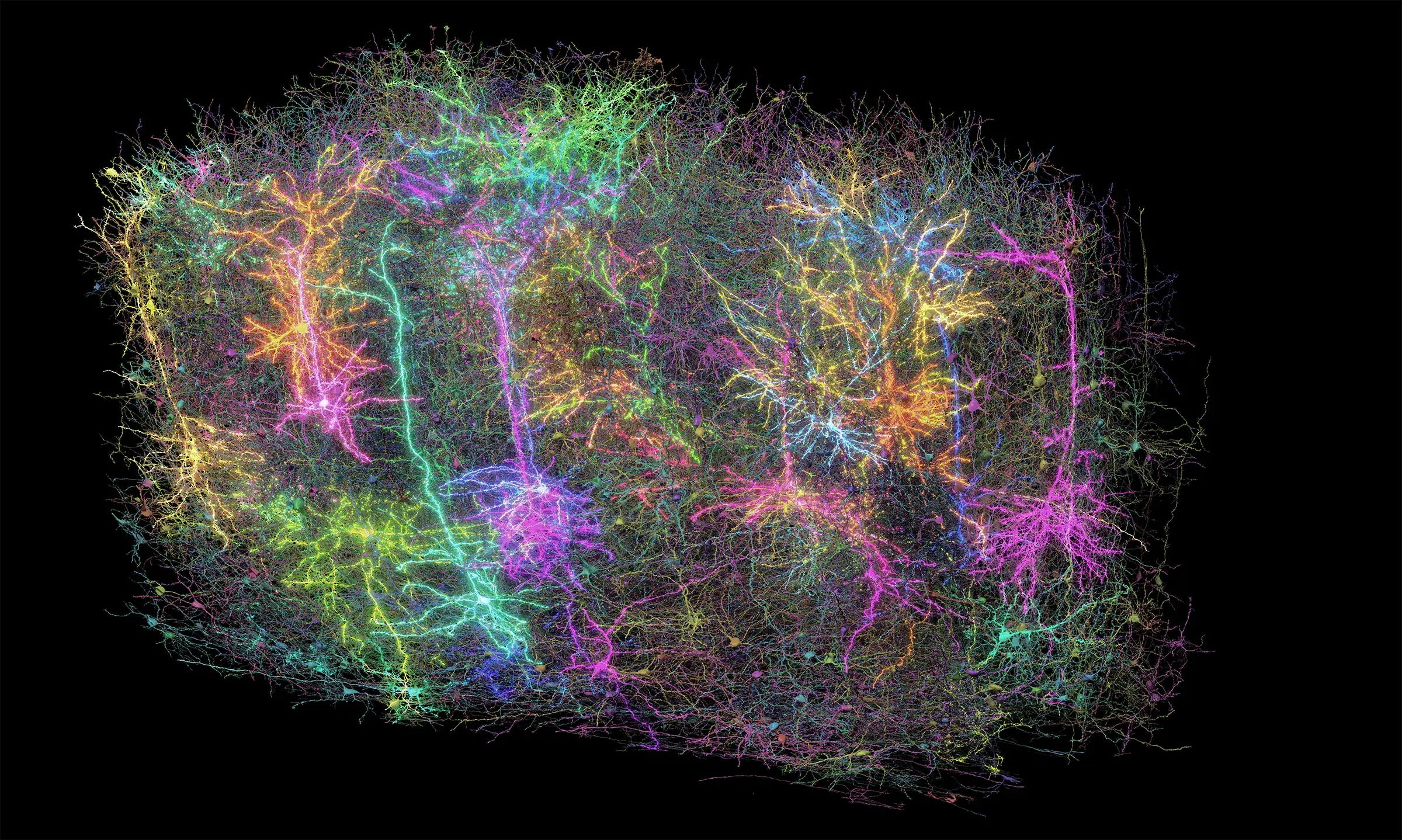
Attempting the impossible: A 20-year journey to learn the language of the brain
In what is considered the most complicated neuroscience experiment ever attempted, scientists from the Allen Institute and global collaborators have...
brain science
news

Explore the connections of the brain - MICrONS neuroscience data insights
This video showcases neuroscience data insights from the MICrONS project
No items found.
video
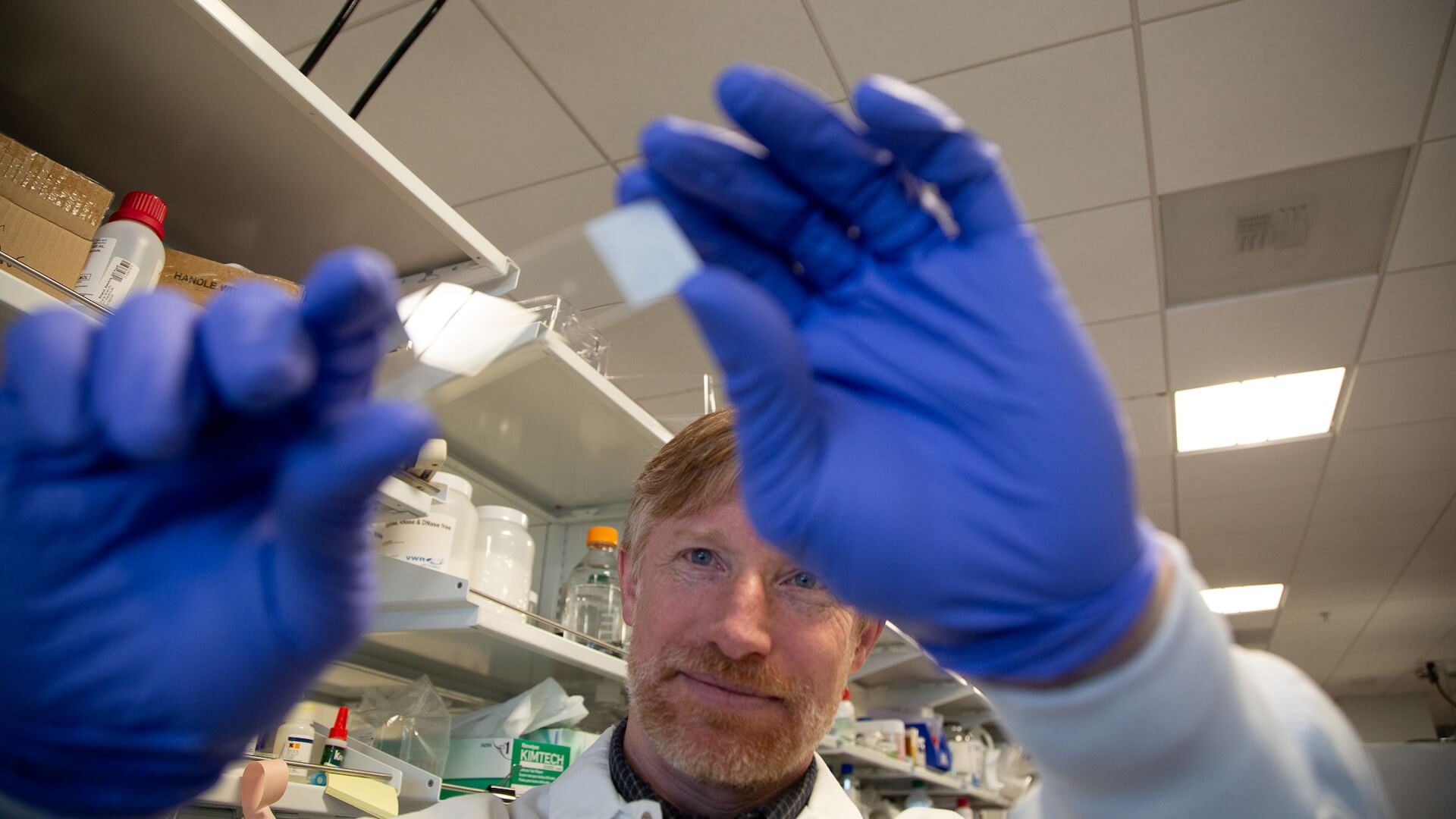
Breakthrough Dravet Syndrome gene therapy in mice brings new hope to families
In a groundbreaking advancement scientists have developed a new gene replacement therapy in mice that could lead to more effective treatments in...
No items found.
Breakthrough Dravet Syndrome gene therapy in mice brings new hope to families
In a groundbreaking advancement scientists have developed a new gene replacement therapy in mice that could lead to more effective treatments in...
No items found.
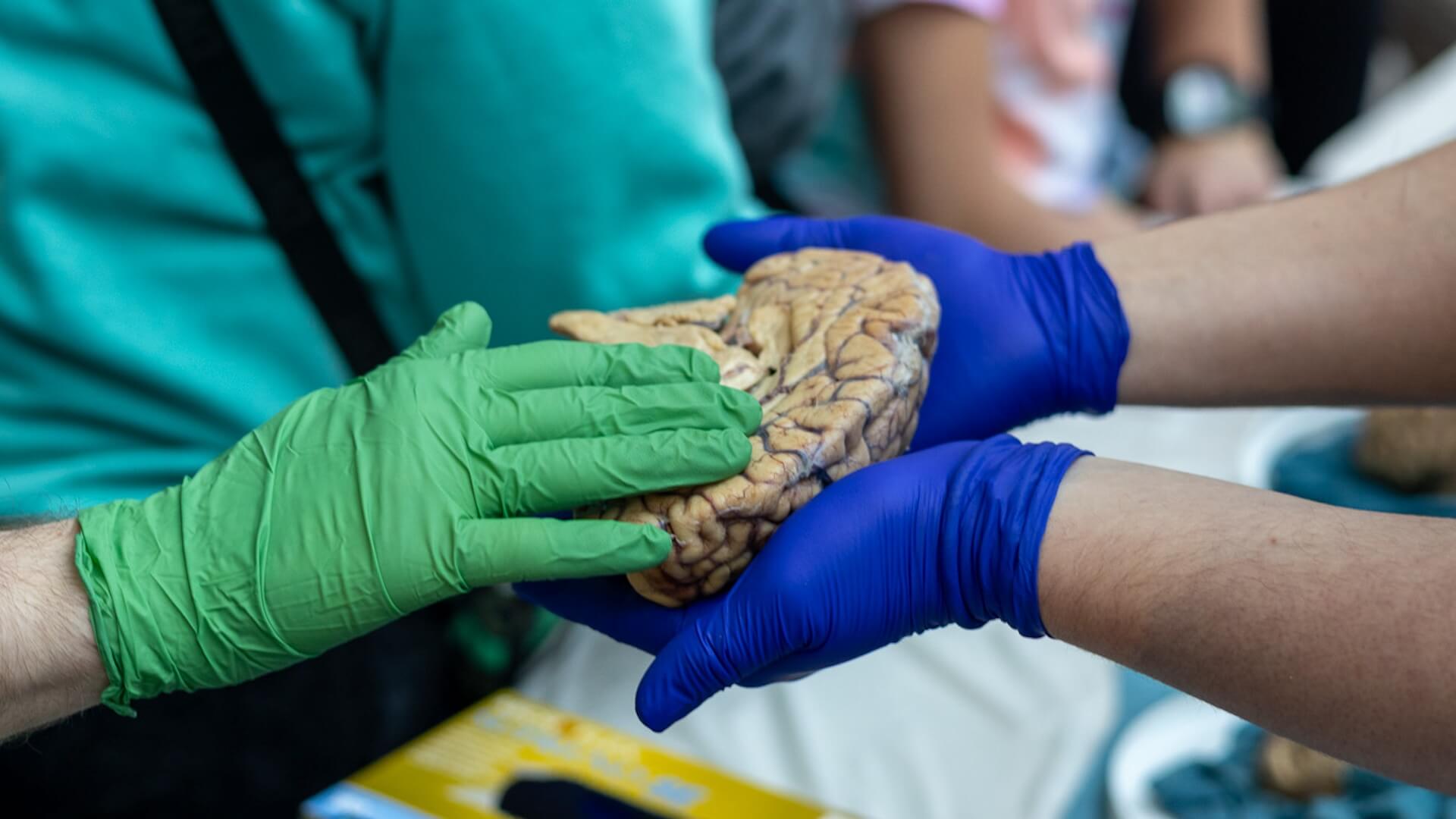
Brainy fun for all ages at BrainFest 2025
Thousands of visitors gathered to explore their amazing brains at the second annual BrainFest, a partnership of the Allen Institute and Pacific Science Center
No items found.
news

No results found, try reducing your search parameters.
press & media contact
Get in touch for media inquiries and resources for covering science at the scale of greatest impact.
Thank you! Your submission has been received!
Oops! Something went wrong while submitting the form.


Biologists Get $100 Million From Billionaire Paul Allen To Investigate Cells
With a gift of $100 million from billionaire philanthropist Paul G. Allen, scientists will embark on an effort to understand how cells work and how they malfunction in disease. Leaders of this new endeavor announced the launch of the Seattle-based Allen Institute for Cell Science today at the annual meeting of the American Society for Cell Biology in Philadelphia.



Billionaire Paul Allen donates $100m to new ‘industrial scale’ effort to understand human cells
Microsoft co-founder Paul G. Allen is donating $100 million of his fortune to launch what he calls an “industrial-scale” effort to understand the basic building block of all living things: the cell.



Microsoft mogul to create new cell science center
Science - Eleven years after he established an institute dedicated to mapping the brain, Microsoft co-founder Paul Allen is announcing a sequel: the Allen Institute for Cell Science. Just like its predecessor, the new institute will be seeded with $100 million from Allen himself; will embrace big-team science, bringing together cell biologists, mathematicians, computational biologists, and other specialists; and will seek to decipher a world whose complexity is still largely uncharted.