stories
news from the front lines of discovery
From scientific breakthroughs to new open‑source tools, the Allen Institute’s work is reshaping how science is done—and who it’s for. Explore the latest news, stories, and highlights from across our research, partnerships, and open science efforts.


Zapping the right brain cells: The path to improved stimulation
New findings could help scientists develop better ways to treat brain disorders with electrical stimulation.
Thank you! Your submission has been received!
Oops! Something went wrong while submitting the form.


New grants to study the aging brain and build better tools to access brain cells
NIH funding will support an atlas of aging mouse brain cell types and a toolkit to light up specific brain cell types
No items found.
news
Data Stories | How a weight loss drug acts on the brain
Scientists at a pharmaceutical company want to know how the drug they developed for weight management affects the brain. Allen Institute resources are...
No items found.
news
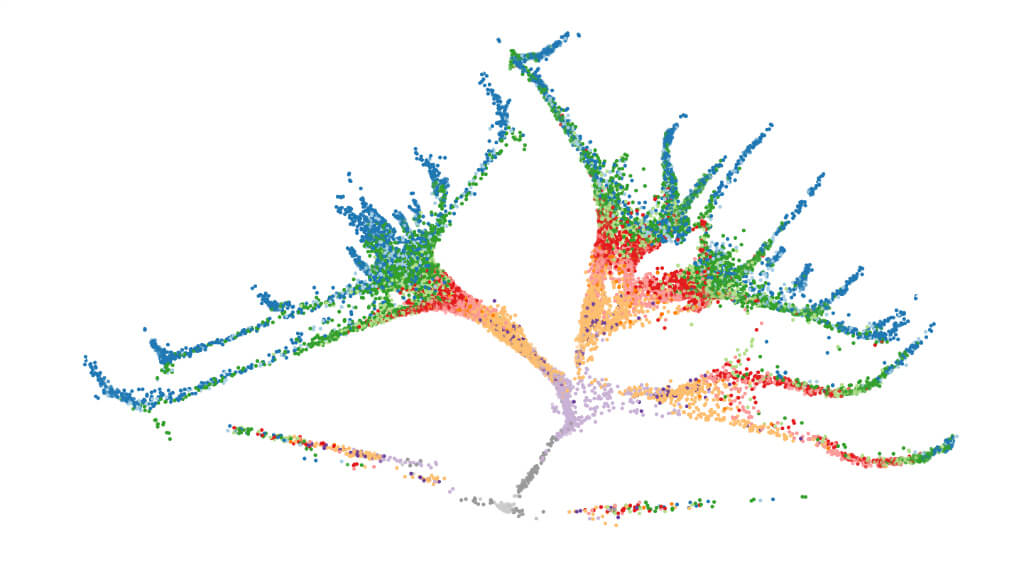
A computational challenge to help developmental biology
Q&A with the scientists and organizers behind a new competition to use machine learning to reconstruct an entire animal’s developmental lineage
synthetic biology
news
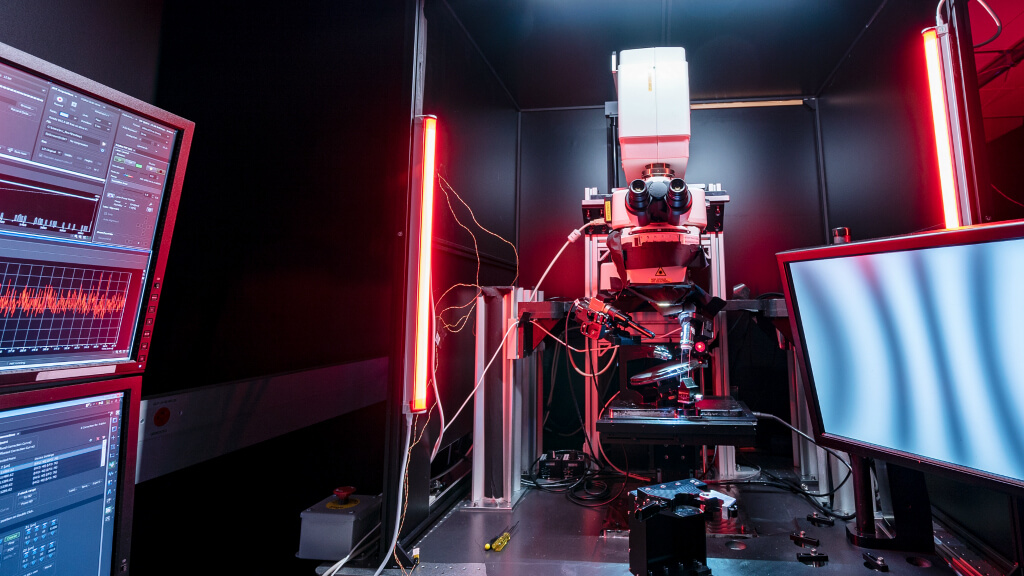
Three collaborative studies launch on ‘OpenScope,’ a shared observatory for neuroscience
2019 projects will tackle Alzheimer’s disease, motion detection, and how the brain processes contextual information
No items found.
news
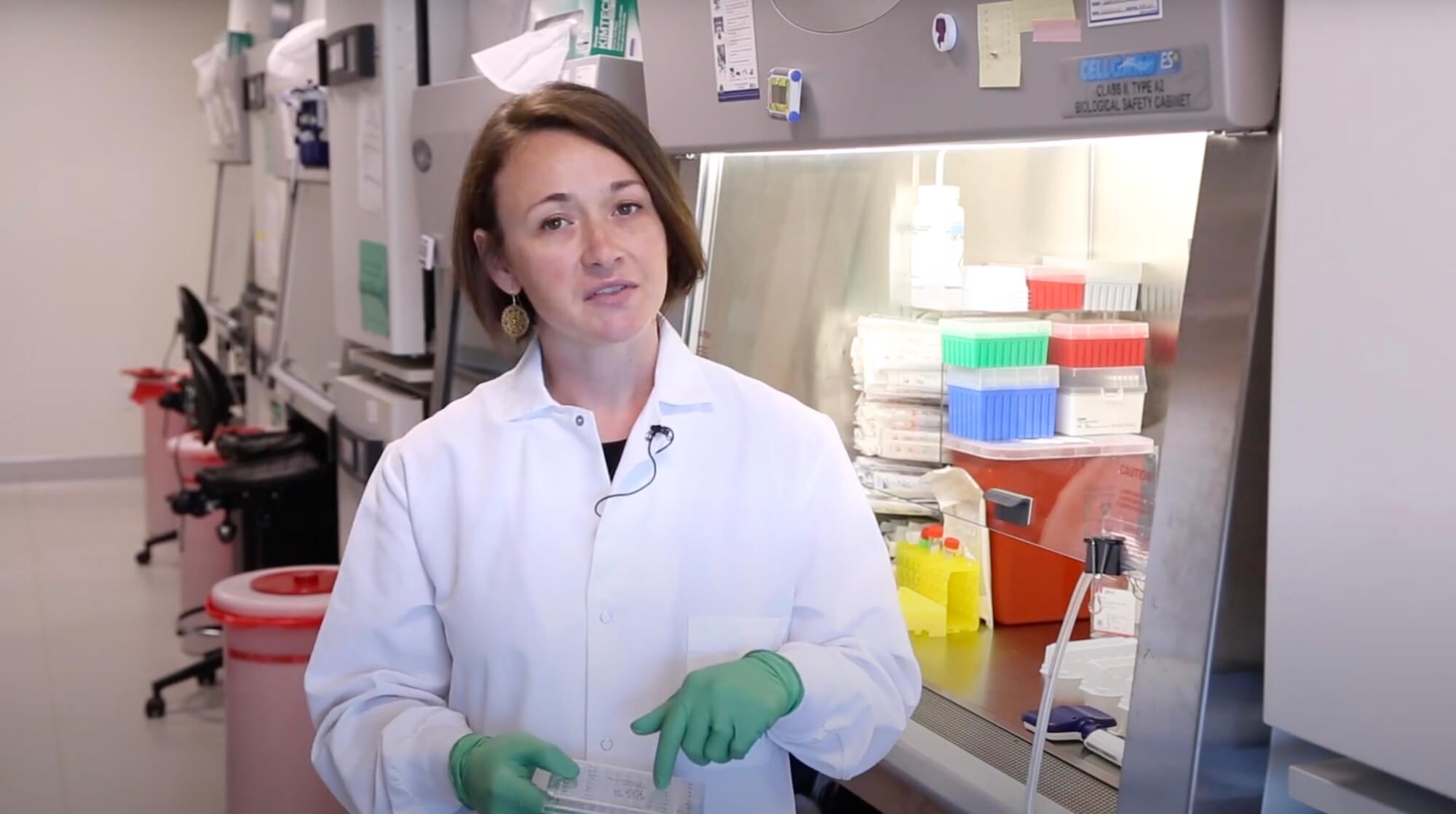
Allen Cell Methods: Cryopreservation of clonal human iPS cell lines in 96-well plates
To ensure researchers have success working with human induced pluripotent stem cell lines from the Allen Cell Catalog, Amanda Haupt, a research...
No items found.
news

How the gut keeps time - and keeps us healthy
New study identifies brain-intestine circadian signals that could underlie health problems related to night shift work and poor sleep
No items found.
news
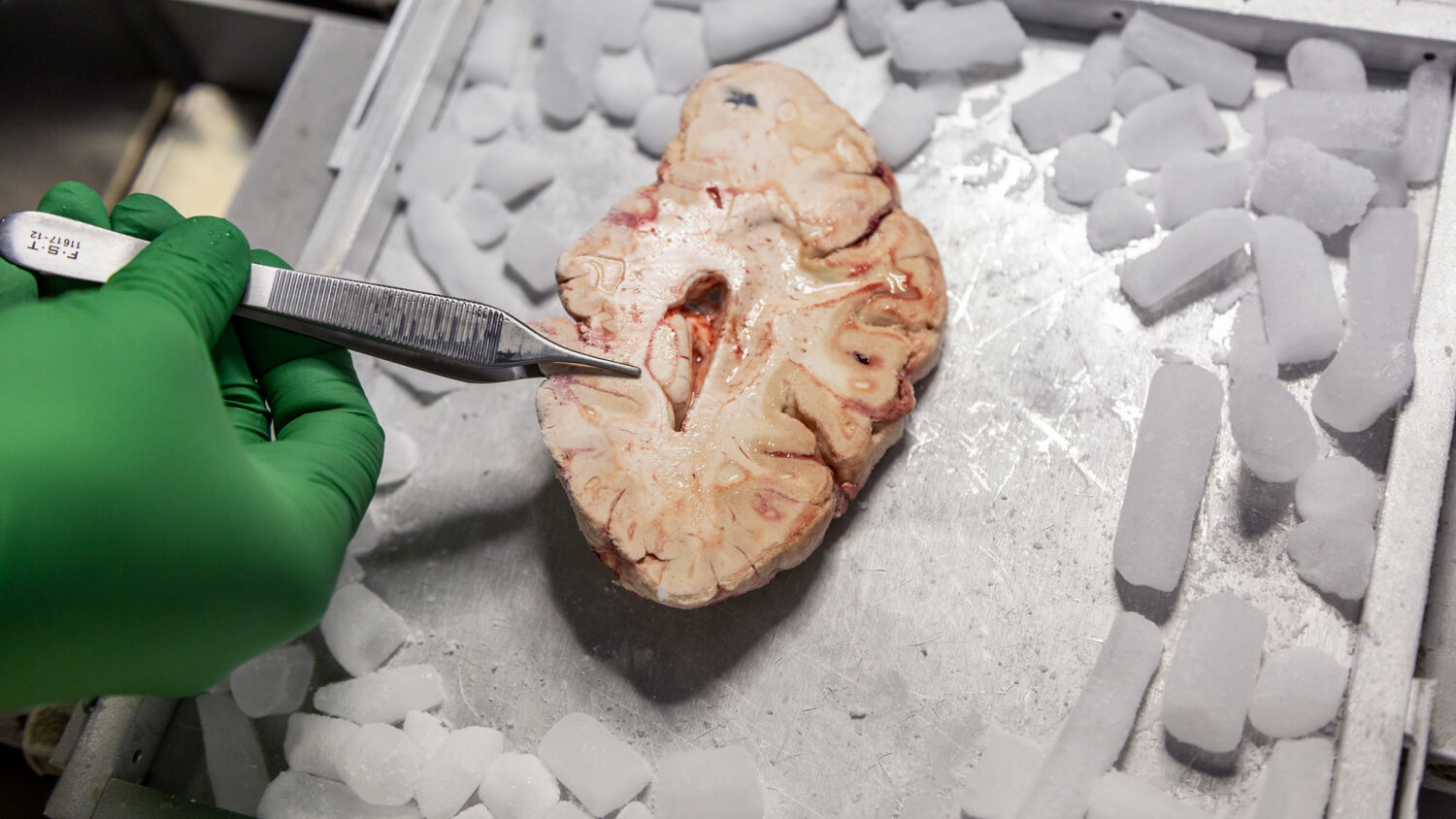
Highest-Resolution Human Brain 'Parts List' To Date Lays Road Map to Better Treatments for Neurological and Psychiatric Disorders
Crucial differences discovered in human and mice brain cells could explain why many drugs that work in the lab don’t work in us
No items found.
news
This is what it’s like to donate your brain to science
Casey Schorr underwent invasive surgery to quell the epileptic seizures that were taking over his life. Now, a small piece of his brain tissue is...
No items found.
news
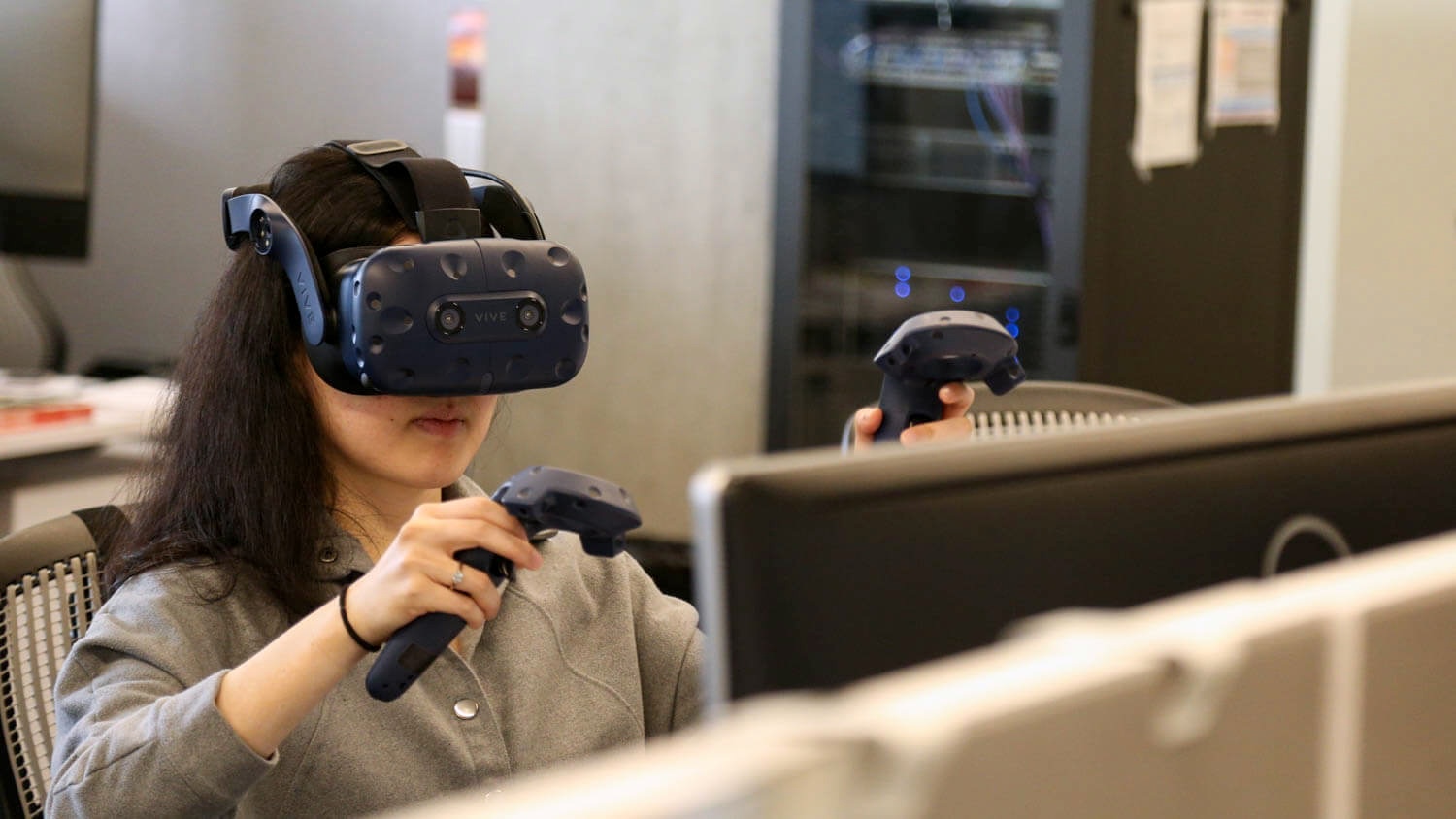
Virtual reality is helping neuroscientists better understand the brain
When Elise Shen goes to work, her morning starts much like that of anyone else with a desk job. She greets her coworkers. She fetches a cup of coffee....
brain science
news

Simulations of life - in health and disease
Across many areas of biology, researchers are turning to virtual simulations to help ask and answer important questions.
brain science
news


No results found, try reducing your search parameters.
press & media contact
Get in touch for media inquiries and resources for covering science at the scale of greatest impact.
Thank you! Your submission has been received!
Oops! Something went wrong while submitting the form.



Fierce Biotech: Allen Institute's cell lines could lead to new drugs for hypertrophic cardiomyopathy
(Photo credit: Fierce Biotech) By helping scientists make generalizations about the disease by unearthing the common denominator between mutations, the cells could ultimately lead to more personalized treatment approaches.


KIRO Radio: Breakthroughs in Synthetic Biology
(Interview starts 11:35 in) Troy McDiarmid from the Seattle Center for Synthetic Biology describes the innovative research underway to create cellular recorders that will track the full life histories of human cells to better understand disease.

Puget Sound Business Journal: Seattle biotech research hub launches with big goals for growth, scientific advances
The Seattle Hub for Synthetic Biology is developing technology to monitor genomic changes in cells in real time, in turn showing cells' whole histories and the genetic causes of disease.
Inside Precision Medicine: How Single-Cell Omics is Revolutionizing Our View Of Neurobiology
(Photo credit: miakievy / Getty Images) The adult human brain is made up of billions of neurons and glial cells. Understanding the diversity of these cells and their distinctive gene-regulatory mechanisms is crucial for determining how the brain works and, in turn, for developing treatments for neurologic disorders

GeekWire: Inside the new Seattle Hub for Synthetic Biology, which uses DNA to ‘record biology over time’
(Photo credit: Charlotte Schubert) Researchers opened the doors Monday to the new Seattle Hub for Synthetic Biology, a collaboration between the Allen Institute, the Chan Zuckerberg Initiative and the University of Washington.