stories
news from the front lines of discovery
From scientific breakthroughs to new open‑source tools, the Allen Institute’s work is reshaping how science is done—and who it’s for. Explore the latest news, stories, and highlights from across our research, partnerships, and open science efforts.


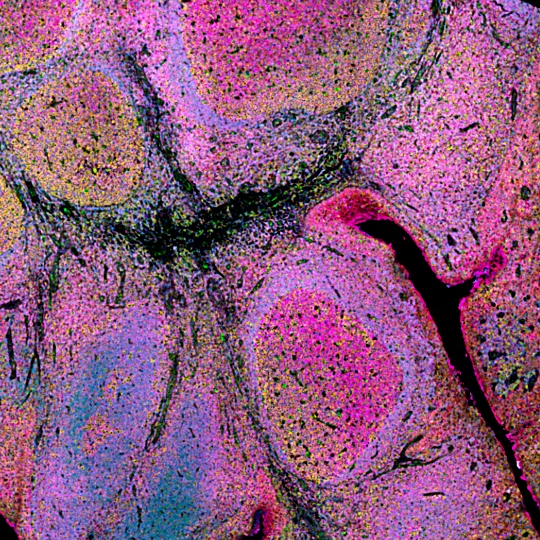
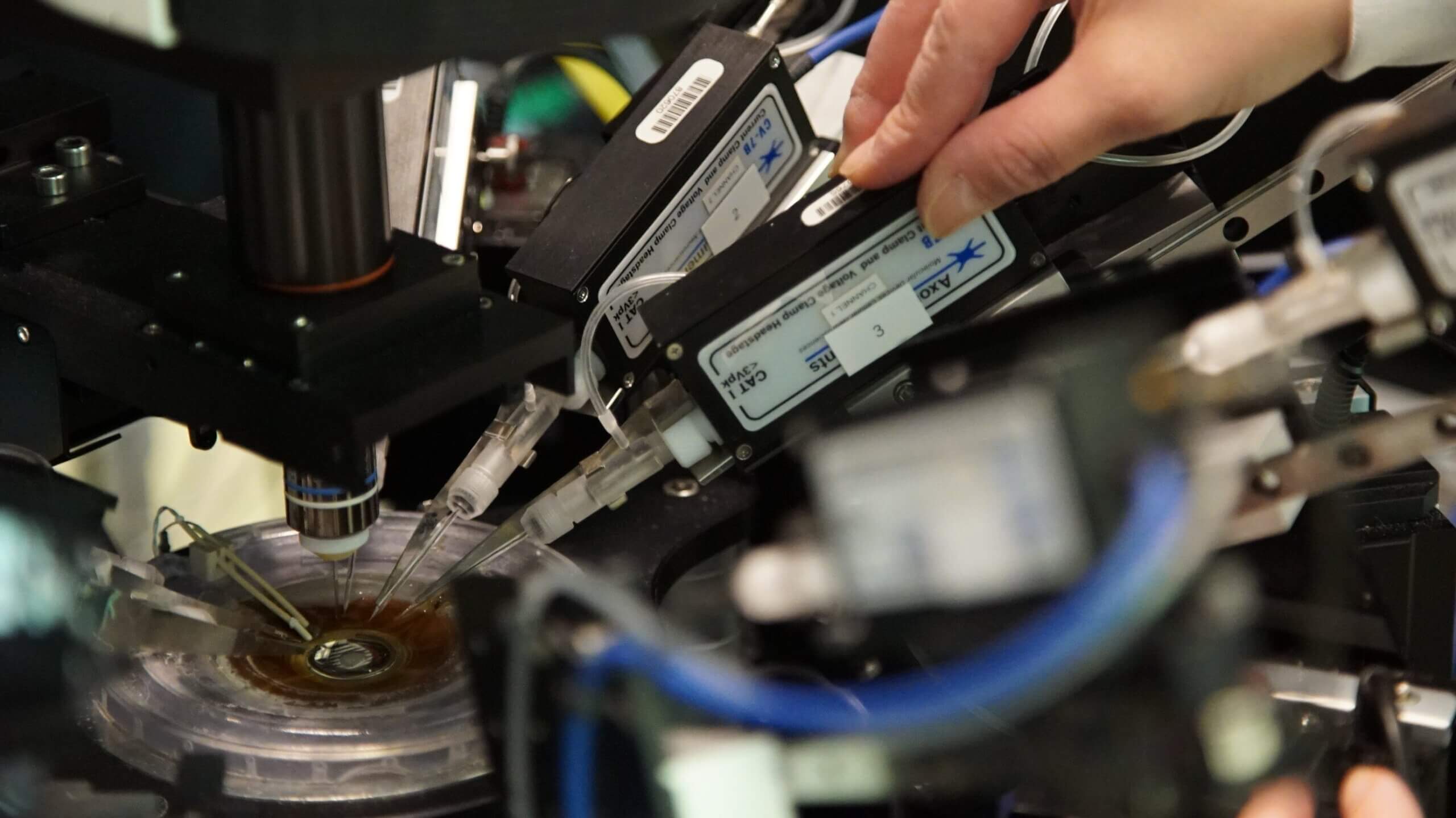
Zapping the right brain cells: The path to improved stimulation
New findings could help scientists develop better ways to treat brain disorders with electrical stimulation.
Thank you! Your submission has been received!
Oops! Something went wrong while submitting the form.
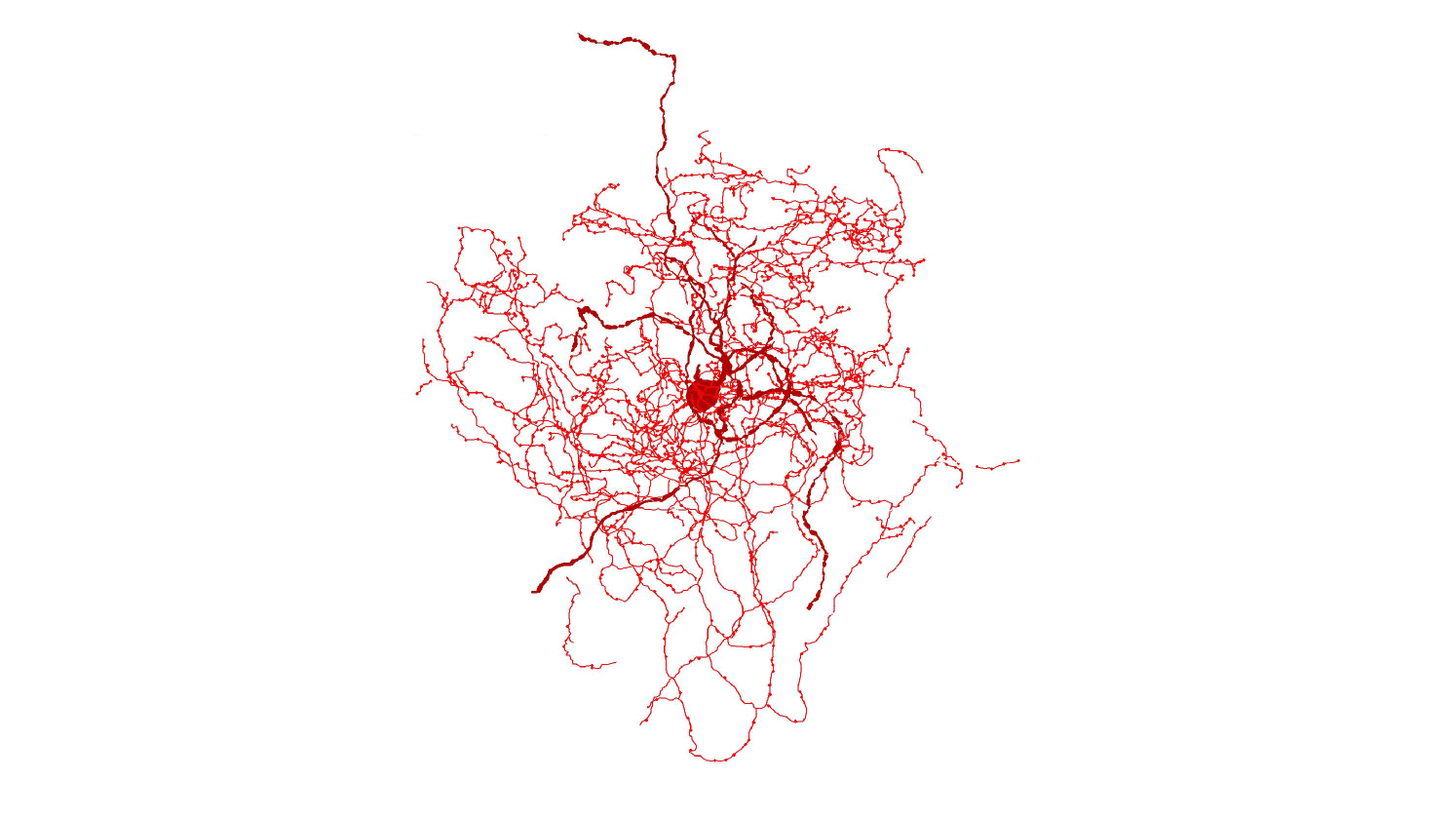

Scientists identify a new kind of human brain cell
One of the most intriguing questions about the human brain is also one of the most difficult for neuroscientists to answer: What sets our brains apart...
No items found.
news

Neuroscience data joins the cloud
Neuroscientists and open data experts have teamed up to make a new, and large set of mouse brain data publicly available and open for analysis on the...
No items found.
news
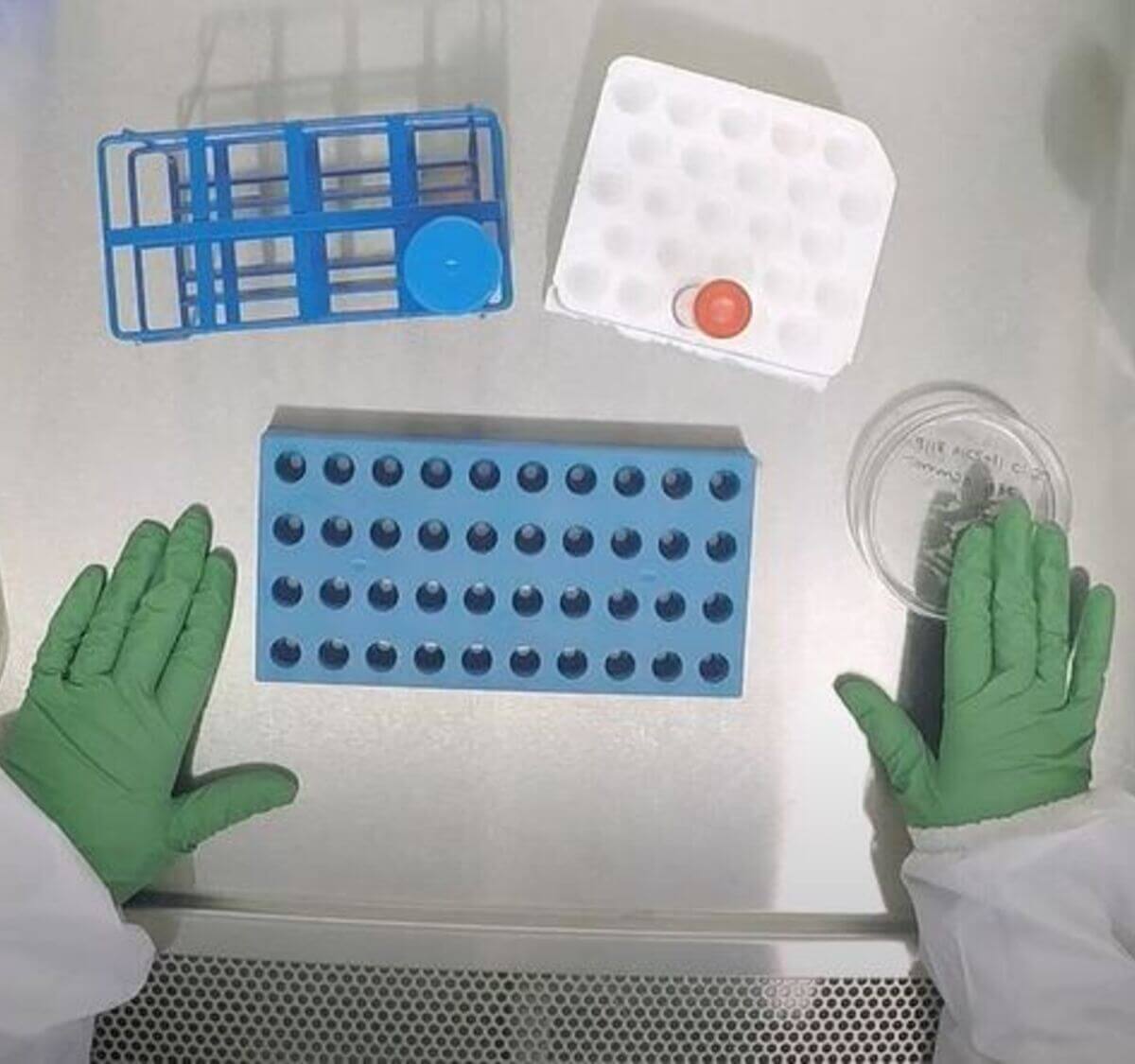
Allen Cell Methods: Thawing human iPS cells
To ensure researchers have success working with our gene-edited human induced pluripotent stem cell lines in their lab, our Jacqueline Smith...
cell science
news


Data Stories | Coding the visual world
See how Stanford electrical engineering student Amy Christensen used data from the Allen Brain Observatory to study how visual information is coded...
No items found.
video
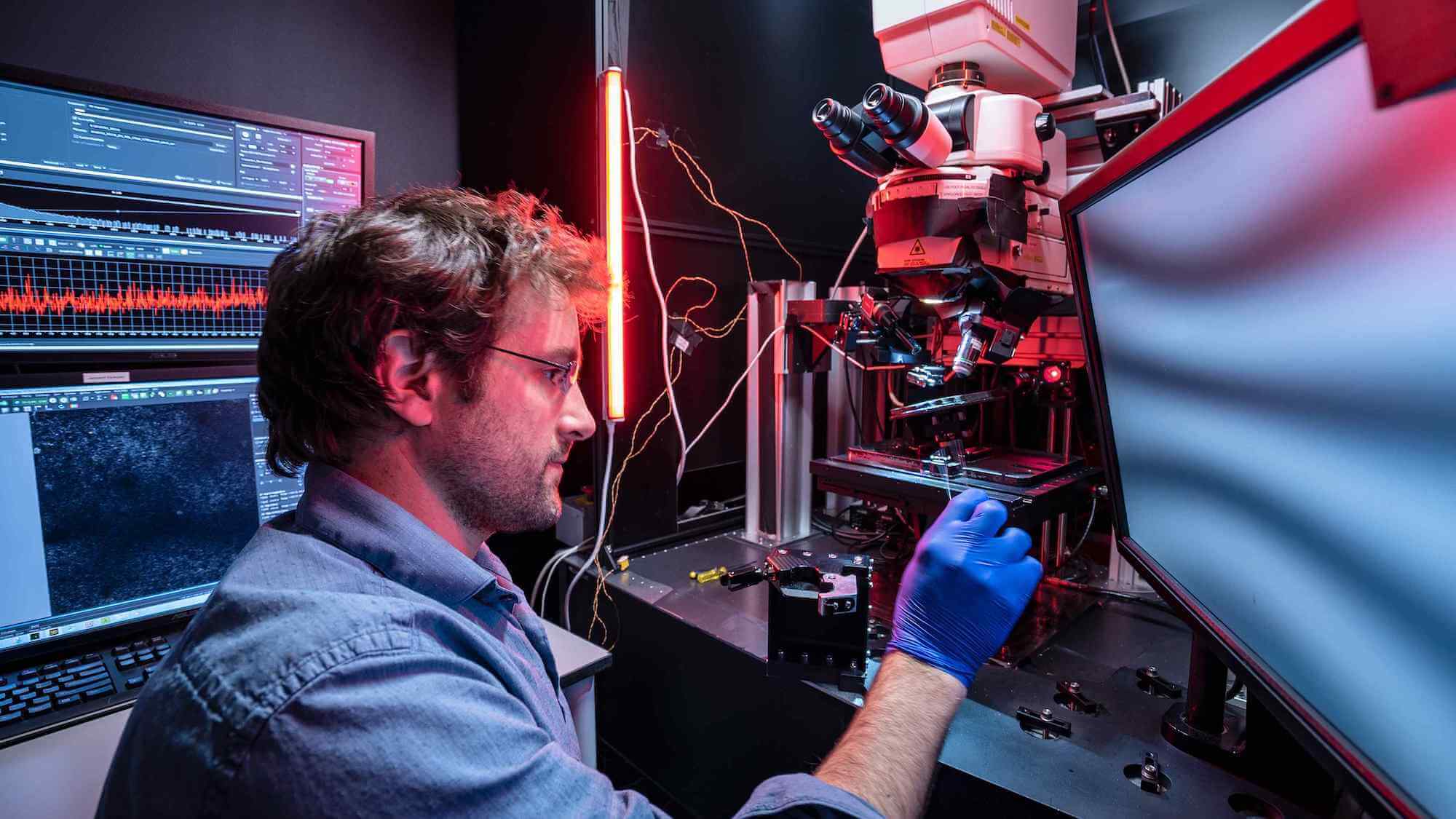
OpenScope: The First Shared Observatory for Neuroscience
Standardized platform open to researchers around the world aims to replicate the successes of large astronomy observatories
No items found.
news
Data Stories | Untuned but not irrelevant
Researcher Joel Zylberberg studies how the brain encodes and computes visual information.
No items found.
video
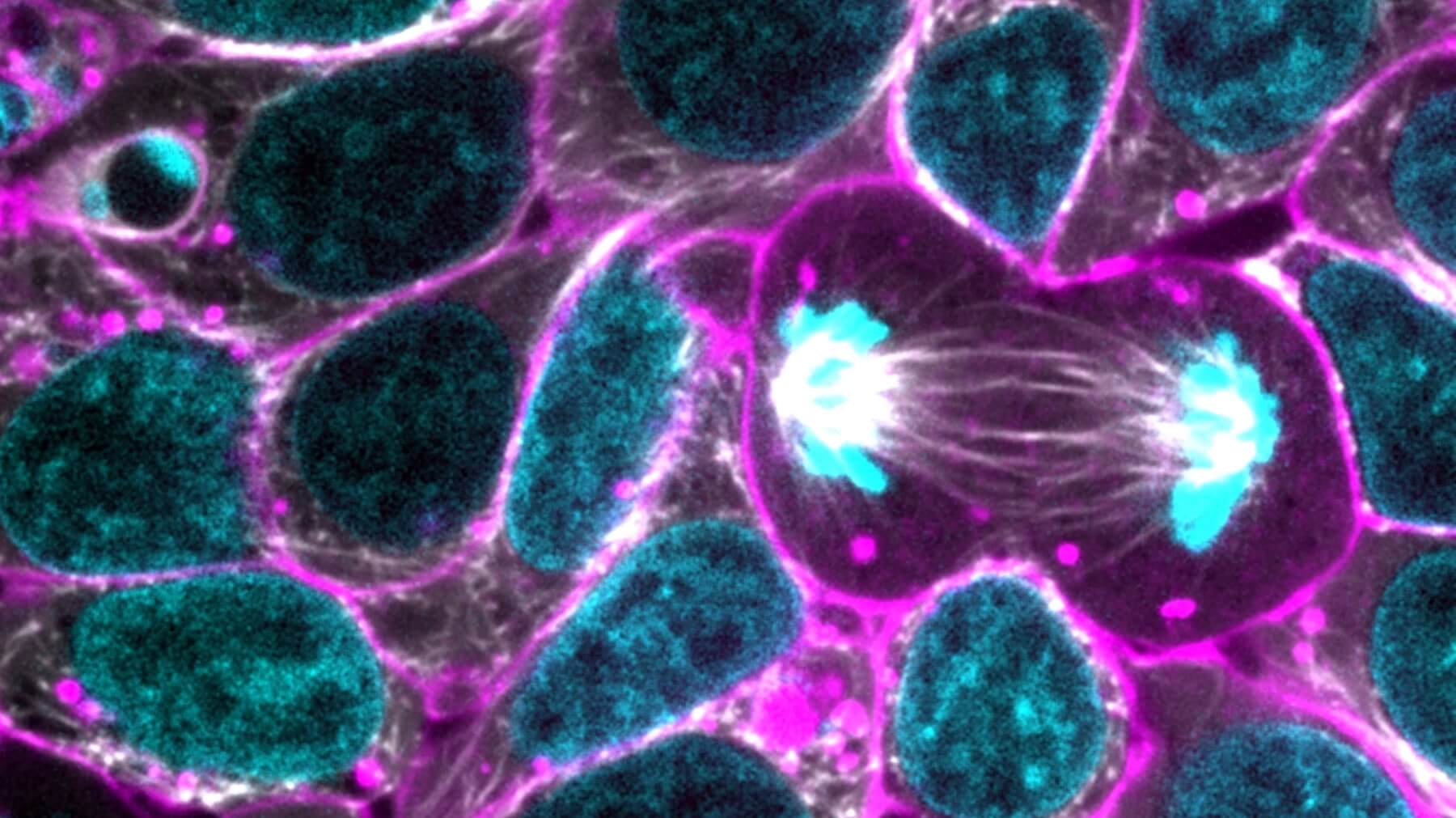
CellProfiler goes 3D
This month, researchers from Broad Institute of MIT and Harvard and the Allen Institute for Cell Science published an article in the journal PLOS...
cell science
news
A mouse called TIGRE
A new platform for genetically engineered laboratory animals is allowing neuroscientists to ask - and answer - new kinds of questions about the brain.
brain science
news

Allen Institute for Brain Science Database Release Nearly Doubles Mouse Brain Cell Data
The Allen Institute for Brain Science today announced the release of new data, tools to analyze those data and a new web-based 3D viewer to explore...
No items found.
news
New fluorescently tagged cell lines available, including first ‘silent’ tagged line
The Allen Cell Collection now contains five new fluorescently tagged stem cell lines, including the first cells in the collection with a tag specific...
cell science
news

No results found, try reducing your search parameters.
press & media contact
Get in touch for media inquiries and resources for covering science at the scale of greatest impact.
Thank you! Your submission has been received!
Oops! Something went wrong while submitting the form.



Fierce Biotech: Allen Institute's cell lines could lead to new drugs for hypertrophic cardiomyopathy
(Photo credit: Fierce Biotech) By helping scientists make generalizations about the disease by unearthing the common denominator between mutations, the cells could ultimately lead to more personalized treatment approaches.


KIRO Radio: Breakthroughs in Synthetic Biology
(Interview starts 11:35 in) Troy McDiarmid from the Seattle Center for Synthetic Biology describes the innovative research underway to create cellular recorders that will track the full life histories of human cells to better understand disease.

Puget Sound Business Journal: Seattle biotech research hub launches with big goals for growth, scientific advances
The Seattle Hub for Synthetic Biology is developing technology to monitor genomic changes in cells in real time, in turn showing cells' whole histories and the genetic causes of disease.
Inside Precision Medicine: How Single-Cell Omics is Revolutionizing Our View Of Neurobiology
(Photo credit: miakievy / Getty Images) The adult human brain is made up of billions of neurons and glial cells. Understanding the diversity of these cells and their distinctive gene-regulatory mechanisms is crucial for determining how the brain works and, in turn, for developing treatments for neurologic disorders

GeekWire: Inside the new Seattle Hub for Synthetic Biology, which uses DNA to ‘record biology over time’
(Photo credit: Charlotte Schubert) Researchers opened the doors Monday to the new Seattle Hub for Synthetic Biology, a collaboration between the Allen Institute, the Chan Zuckerberg Initiative and the University of Washington.