stories
news from the front lines of discovery
From scientific breakthroughs to new open‑source tools, the Allen Institute’s work is reshaping how science is done—and who it’s for. Explore the latest news, stories, and highlights from across our research, partnerships, and open science efforts.


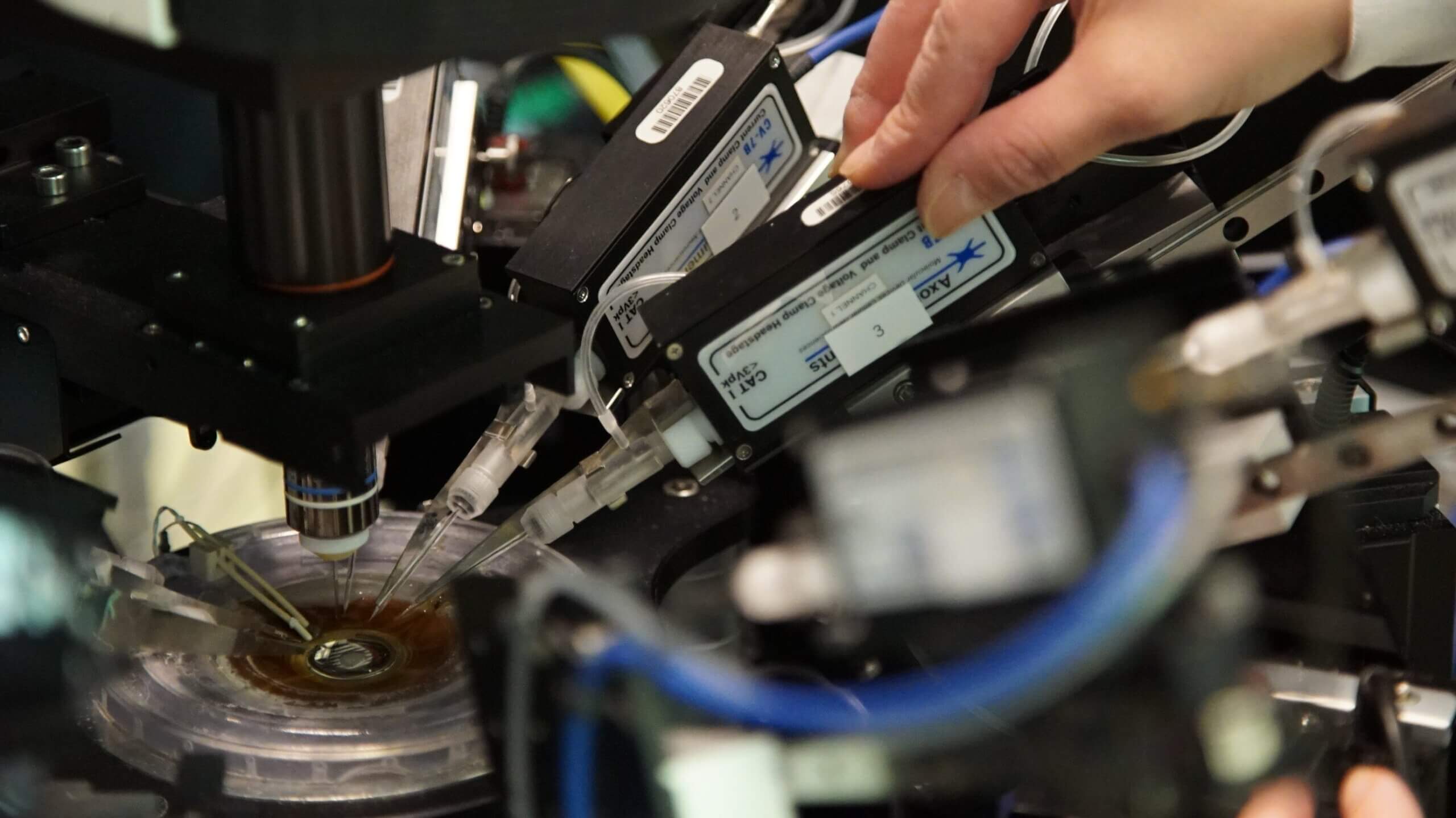
Zapping the right brain cells: The path to improved stimulation
New findings could help scientists develop better ways to treat brain disorders with electrical stimulation.
Thank you! Your submission has been received!
Oops! Something went wrong while submitting the form.
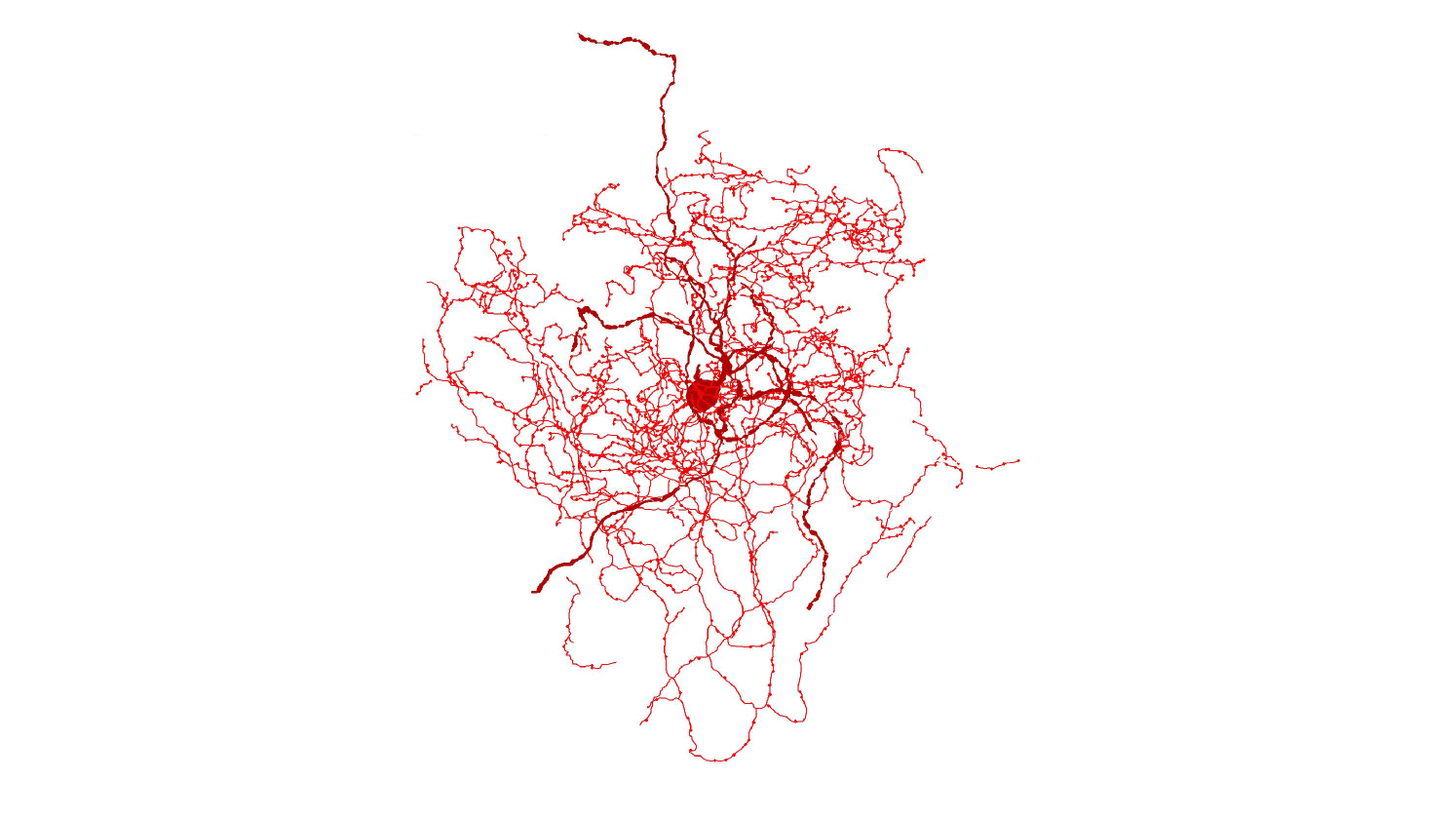

Scientists identify a new kind of human brain cell
One of the most intriguing questions about the human brain is also one of the most difficult for neuroscientists to answer: What sets our brains apart...
No items found.
news
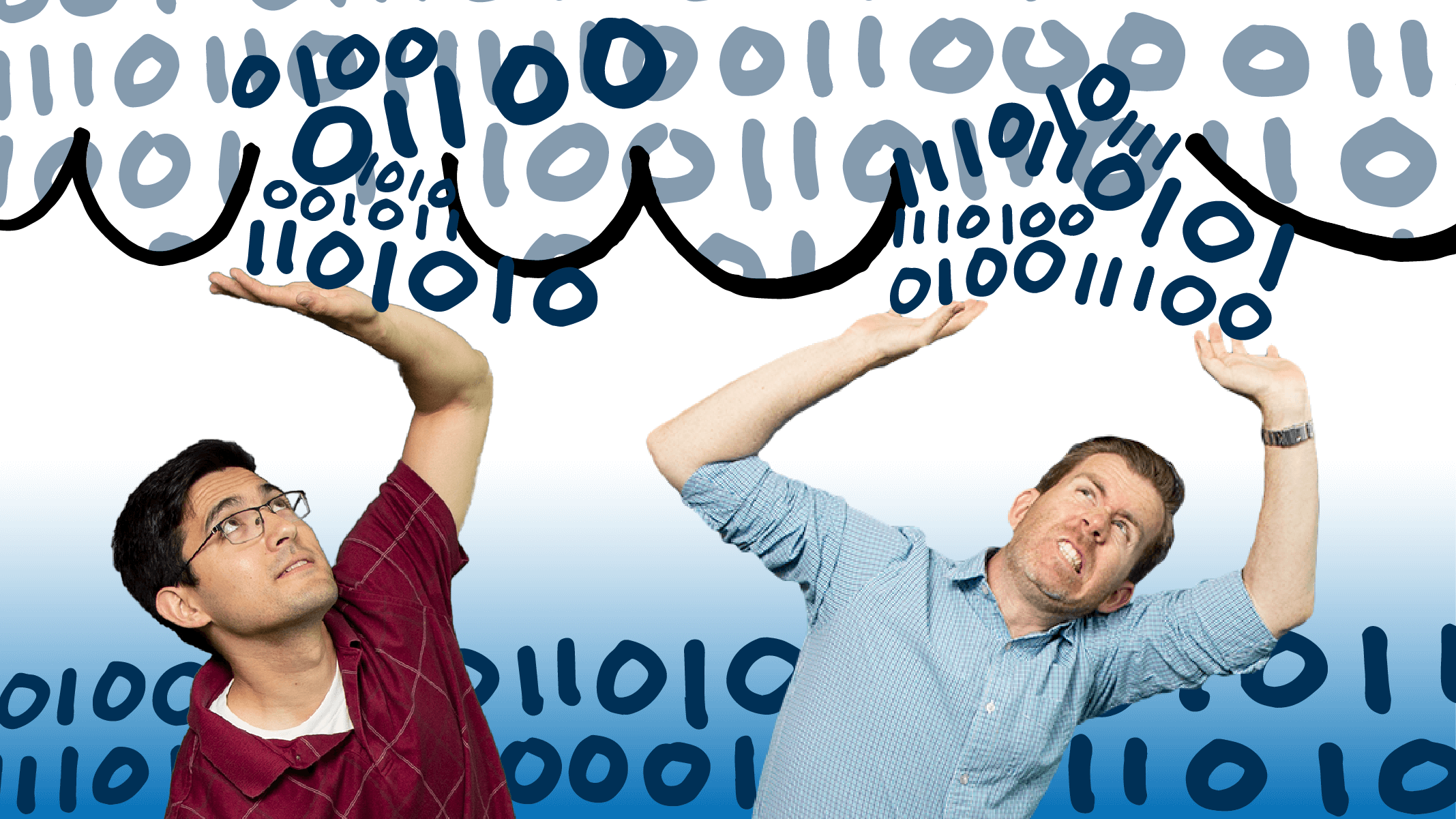
Neuroscience data joins the cloud
Neuroscientists and open data experts have teamed up to make a new, and large set of mouse brain data publicly available and open for analysis on the...
No items found.
news
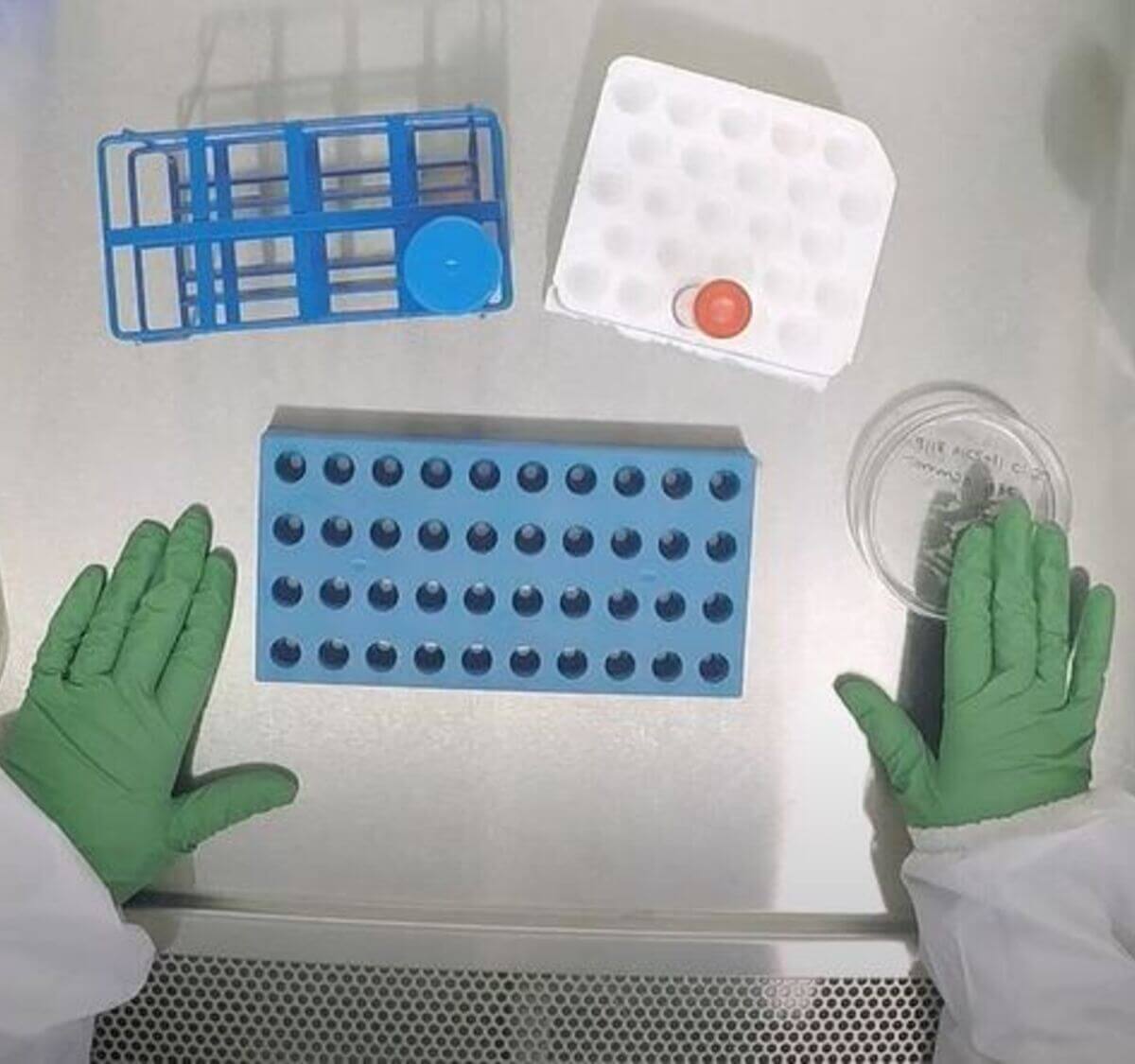
Allen Cell Methods: Thawing human iPS cells
To ensure researchers have success working with our gene-edited human induced pluripotent stem cell lines in their lab, our Jacqueline Smith...
cell science
news


Data Stories | Coding the visual world
See how Stanford electrical engineering student Amy Christensen used data from the Allen Brain Observatory to study how visual information is coded...
No items found.
video
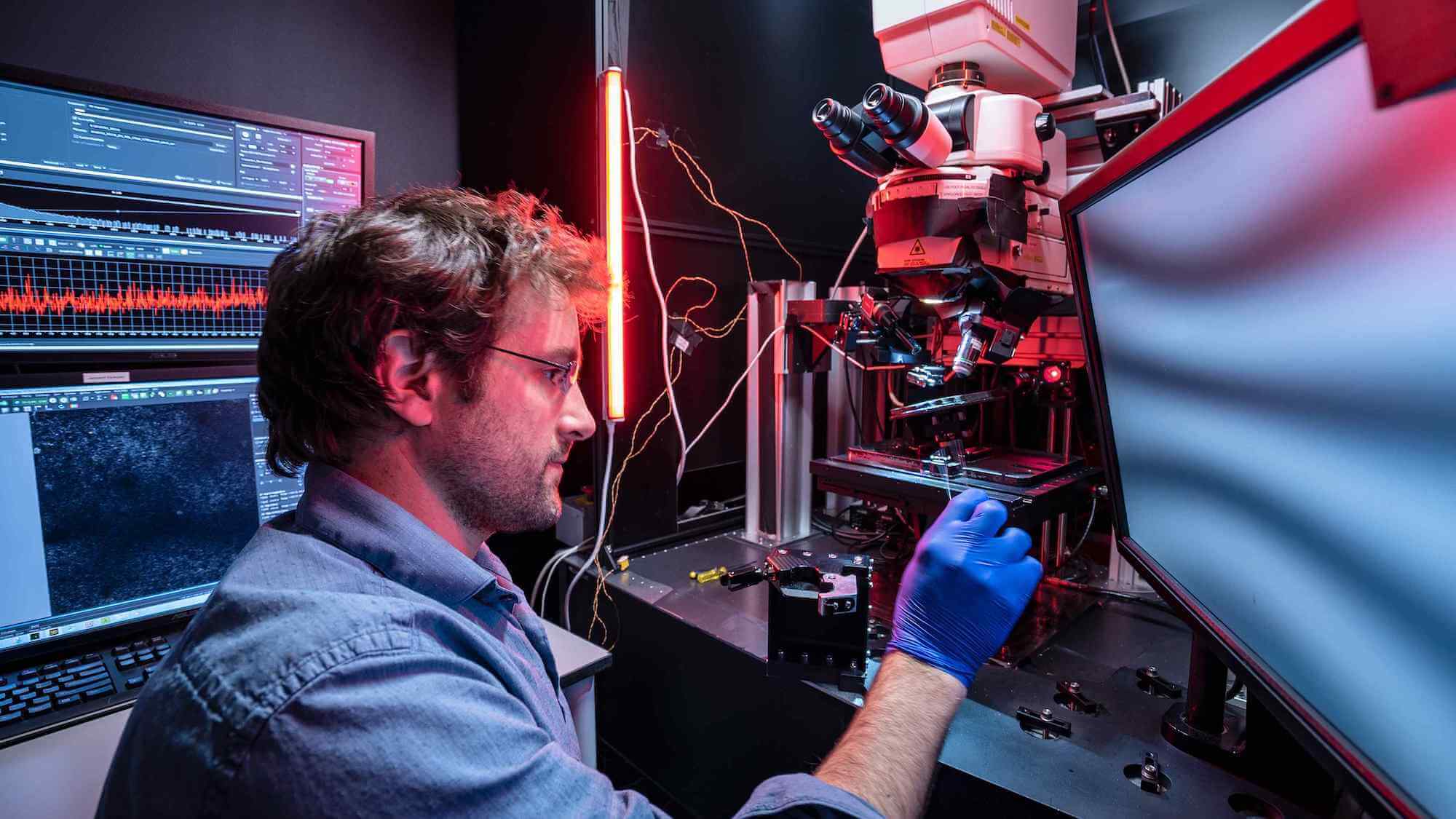
OpenScope: The First Shared Observatory for Neuroscience
Standardized platform open to researchers around the world aims to replicate the successes of large astronomy observatories
No items found.
news
Data Stories | Untuned but not irrelevant
Researcher Joel Zylberberg studies how the brain encodes and computes visual information.
No items found.
video
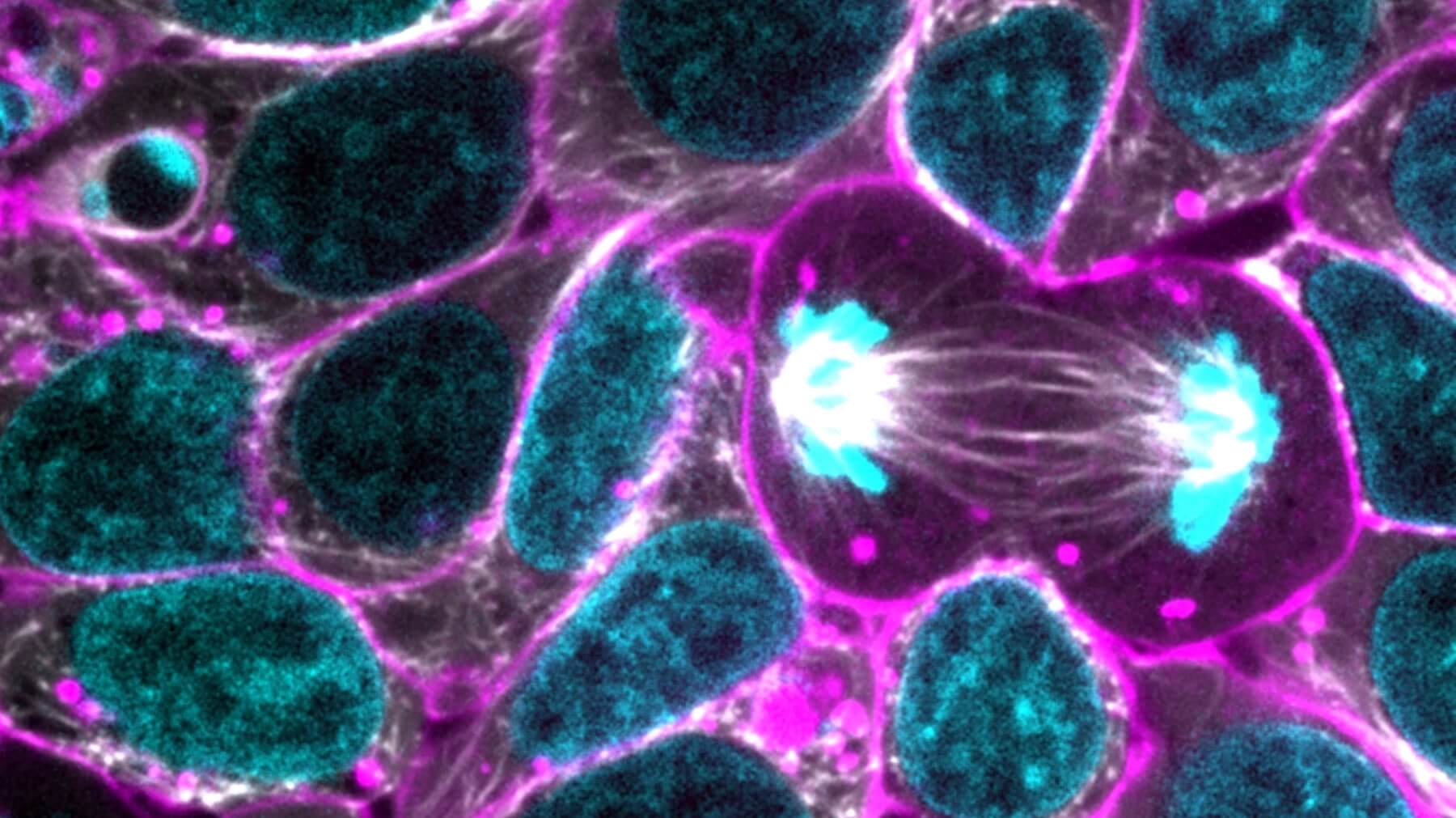
CellProfiler goes 3D
This month, researchers from Broad Institute of MIT and Harvard and the Allen Institute for Cell Science published an article in the journal PLOS...
cell science
news
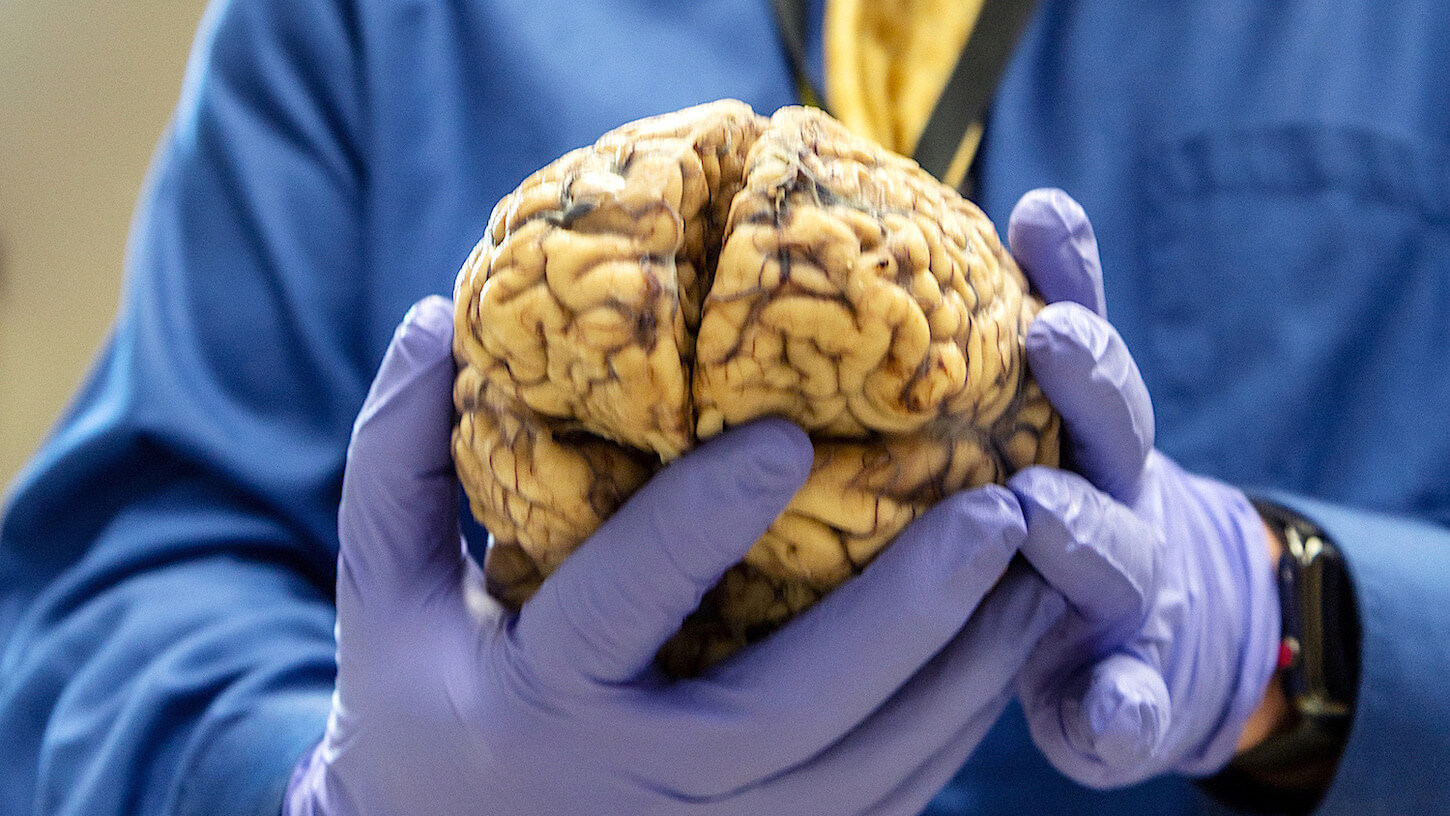
A mouse called TIGRE
A new platform for genetically engineered laboratory animals is allowing neuroscientists to ask - and answer - new kinds of questions about the brain.
brain science
news
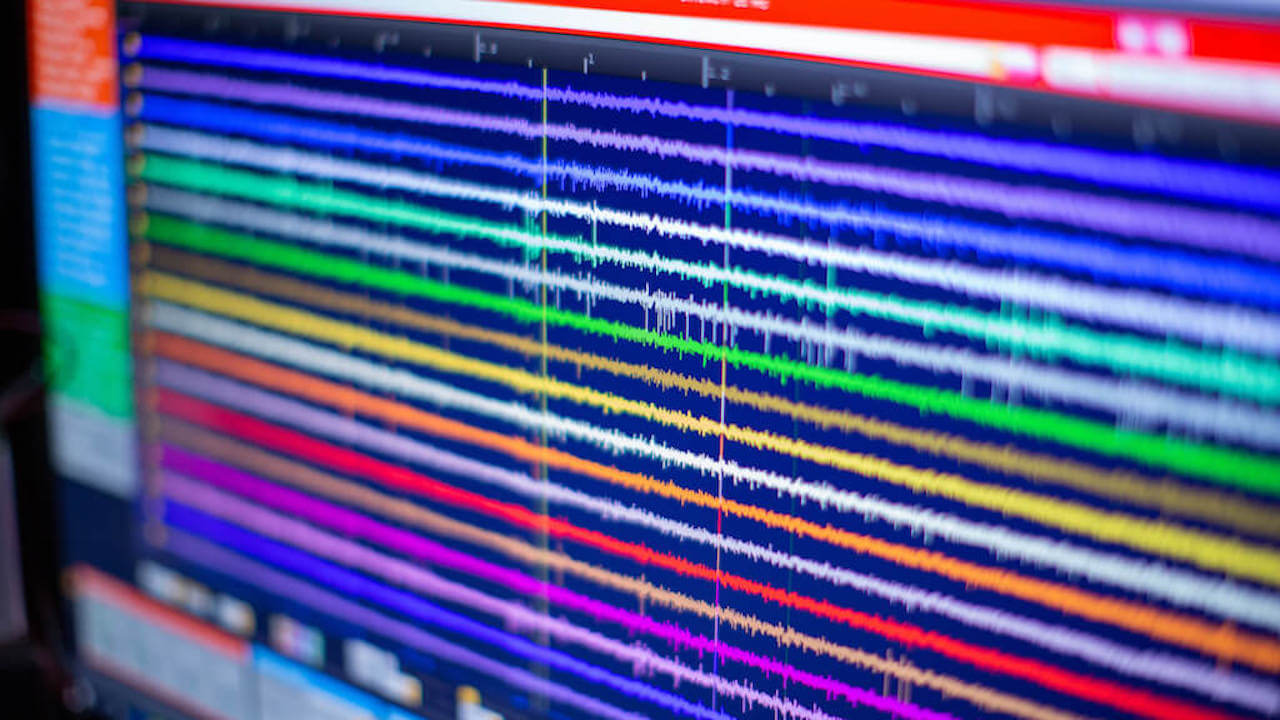
Allen Institute for Brain Science Database Release Nearly Doubles Mouse Brain Cell Data
The Allen Institute for Brain Science today announced the release of new data, tools to analyze those data and a new web-based 3D viewer to explore...
No items found.
news
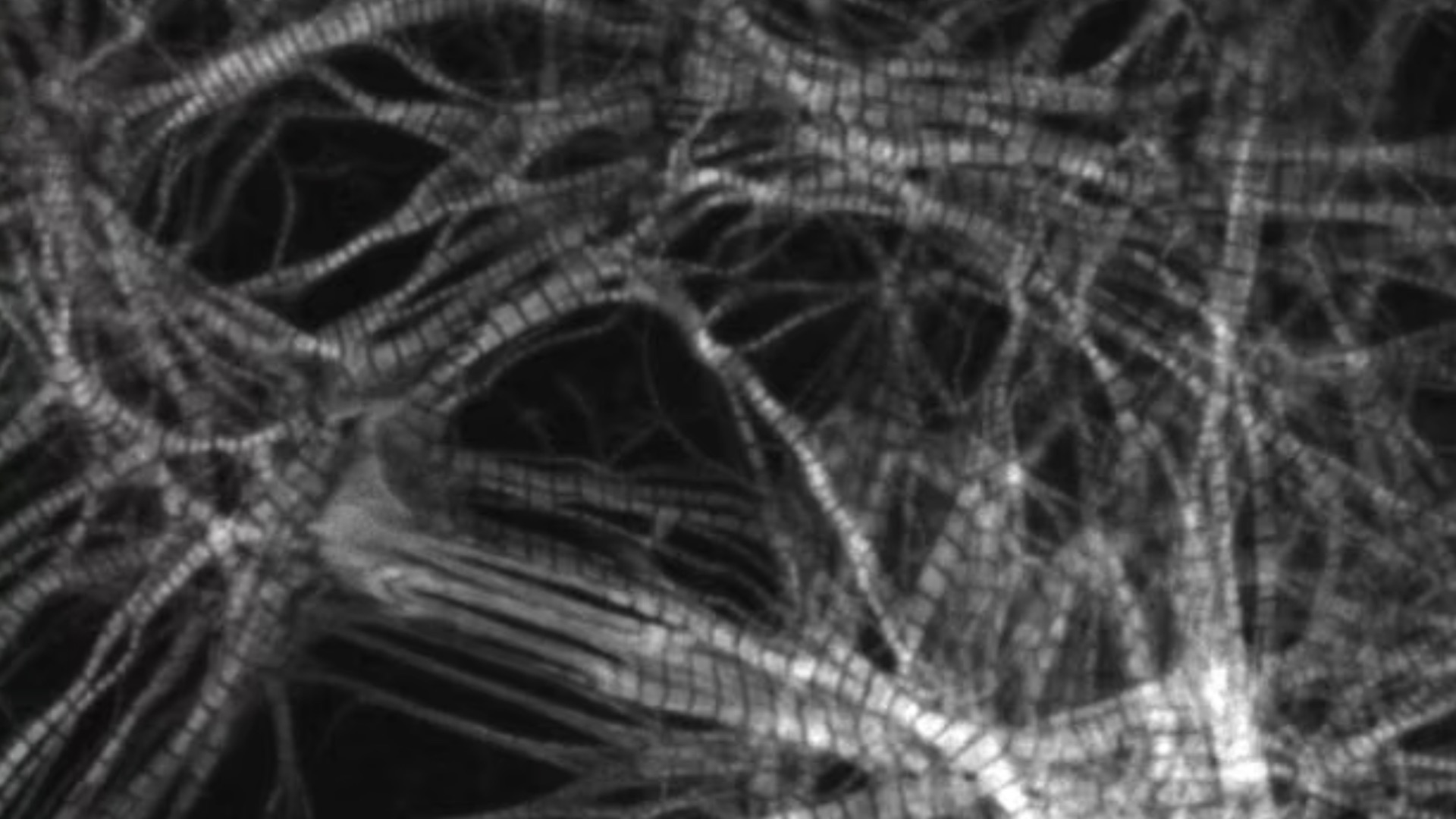
New fluorescently tagged cell lines available, including first ‘silent’ tagged line
The Allen Cell Collection now contains five new fluorescently tagged stem cell lines, including the first cells in the collection with a tag specific...
cell science
news

No results found, try reducing your search parameters.
press & media contact
Get in touch for media inquiries and resources for covering science at the scale of greatest impact.
Thank you! Your submission has been received!
Oops! Something went wrong while submitting the form.



Science Friday: 3,000 Types Of Brain Cells Categorized In Massive Brain Cell Atlas
In October 2023, an international group of scientists released an impressively detailed cell atlas of the human brain, published in 21 papers in the journals Science, Science Advances and Science Translational Medicine.

STAT: Allen Institute CEO Rui Costa on mapping the brain and paying early-career scientists decent salaries
Mapping the billions of cells that make up the brain is a task mammoth enough to keep hundreds of researchers across continents busy for years. But it’s just one of several ambitious projects the Allen Institute is helping tackle.

Scientific American: First Atlas of Every Mouse Brain Cell Could Improve Neuro Disease Treatments
Neuroscientists have unveiled their most comprehensive and detailed map of cell types across the entire mouse brain, delivering the latest results of a six-year-long scientific effort in which Seattle’s Allen Institute has played a leading role.
Quanta Magazine: New Cell Atlases Reveal Untold Variety in the Brain and Beyond
(Photo credit: Peter Greenwood for Quanta Magazine.) Recent efforts to map every cell in the human body have researchers floored by unfathomable diversity, with many thousands of subtly different types of cells in the human brain alone.

Seattle Times: Research that brings AI into human cells will soon expand in Seattle
The Seattle Hub for Synthetic Biology, set to open in January, is a result of collaboration between the Allen Institute, the Chan Zuckerberg Initiative and the University of Washington that aims to build new technologies to record the history of our bodies’ cells.


Yahoo News: Allen Frontiers Group awards $10M to set up research center for neuroimmunology
The neuroimmunology research center will be led by Brian Kim of Mount Sinai and David Artis of Weill Cornell Medicine. They’ll bring together a multidisciplinary team to trace interactions between the nervous system and the immune system that occur at sites distant from the brain.