stories
news from the front lines of discovery
From scientific breakthroughs to new open‑source tools, the Allen Institute’s work is reshaping how science is done—and who it’s for. Explore the latest news, stories, and highlights from across our research, partnerships, and open science efforts.


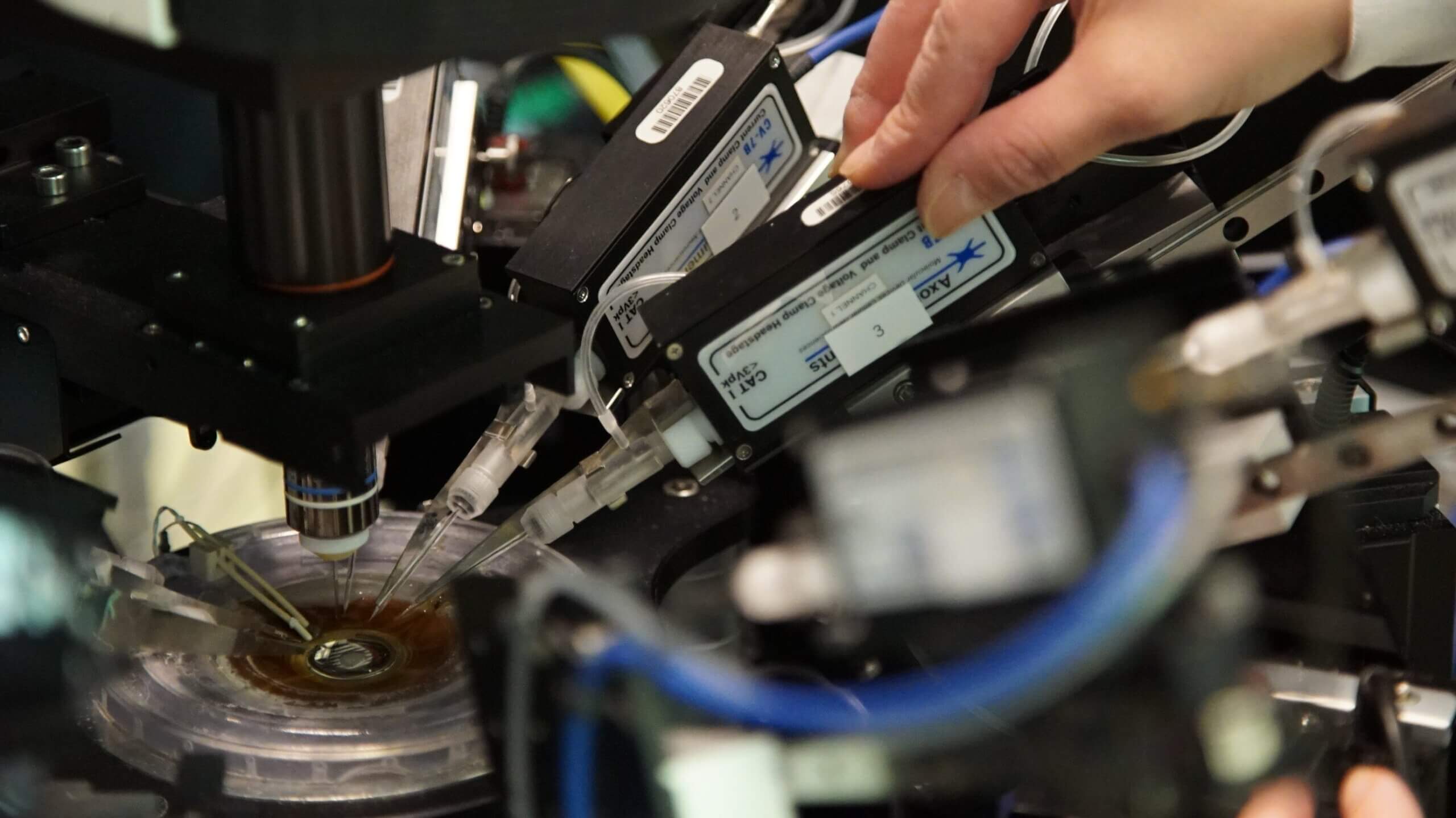
Zapping the right brain cells: The path to improved stimulation
New findings could help scientists develop better ways to treat brain disorders with electrical stimulation.
Thank you! Your submission has been received!
Oops! Something went wrong while submitting the form.
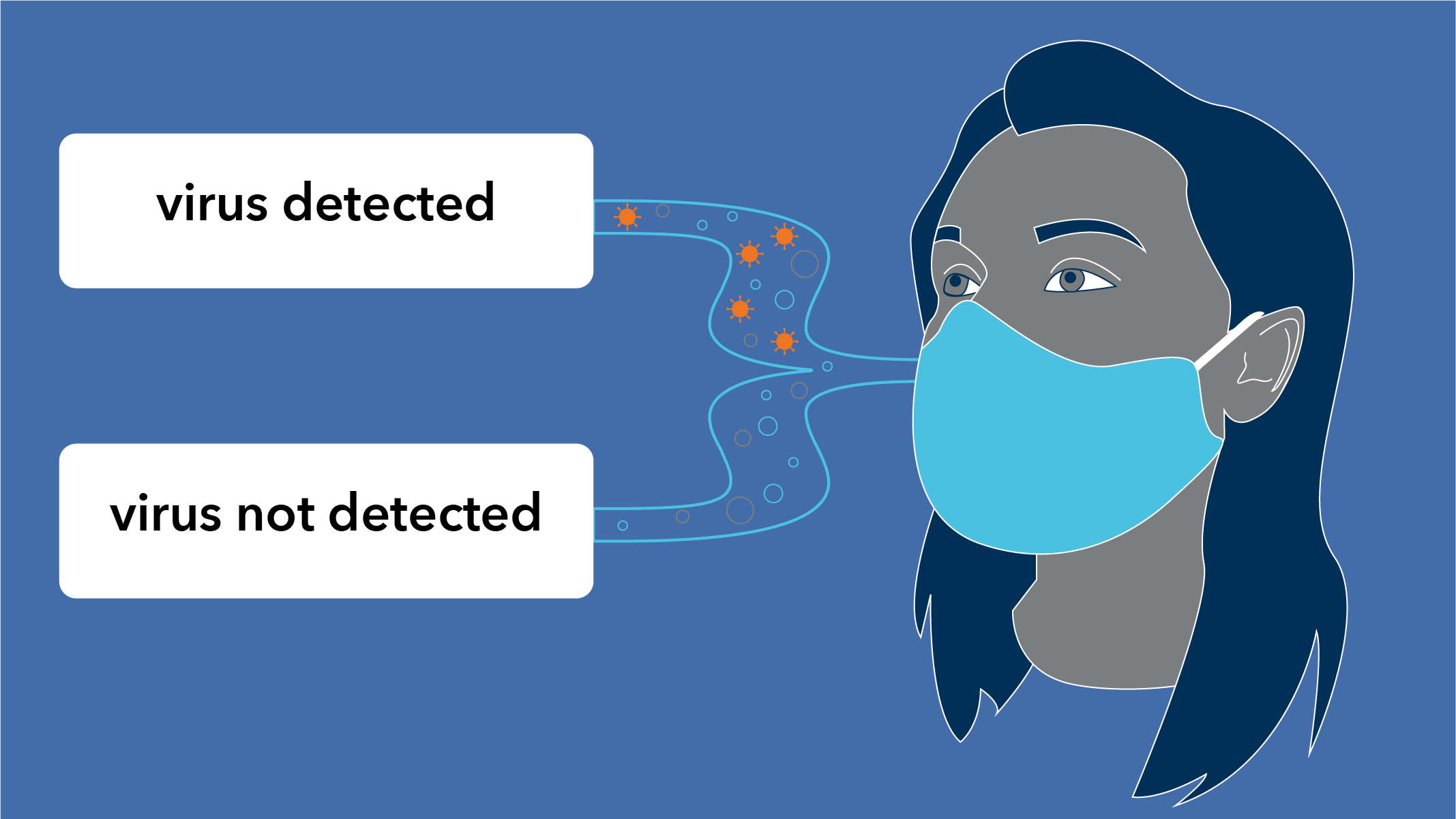

Scientists are working on a face mask that detects coronavirus
Q&A with James Collins, Ph.D., a bioengineer who is developing a diagnostic face mask that signals if the wearer is infected with COVID-19
No items found.
news


Science Matters | Investing in science, investing in the future
University of Washington President Ana Mari Cauce talks about the importance of investing in science.
No items found.
video
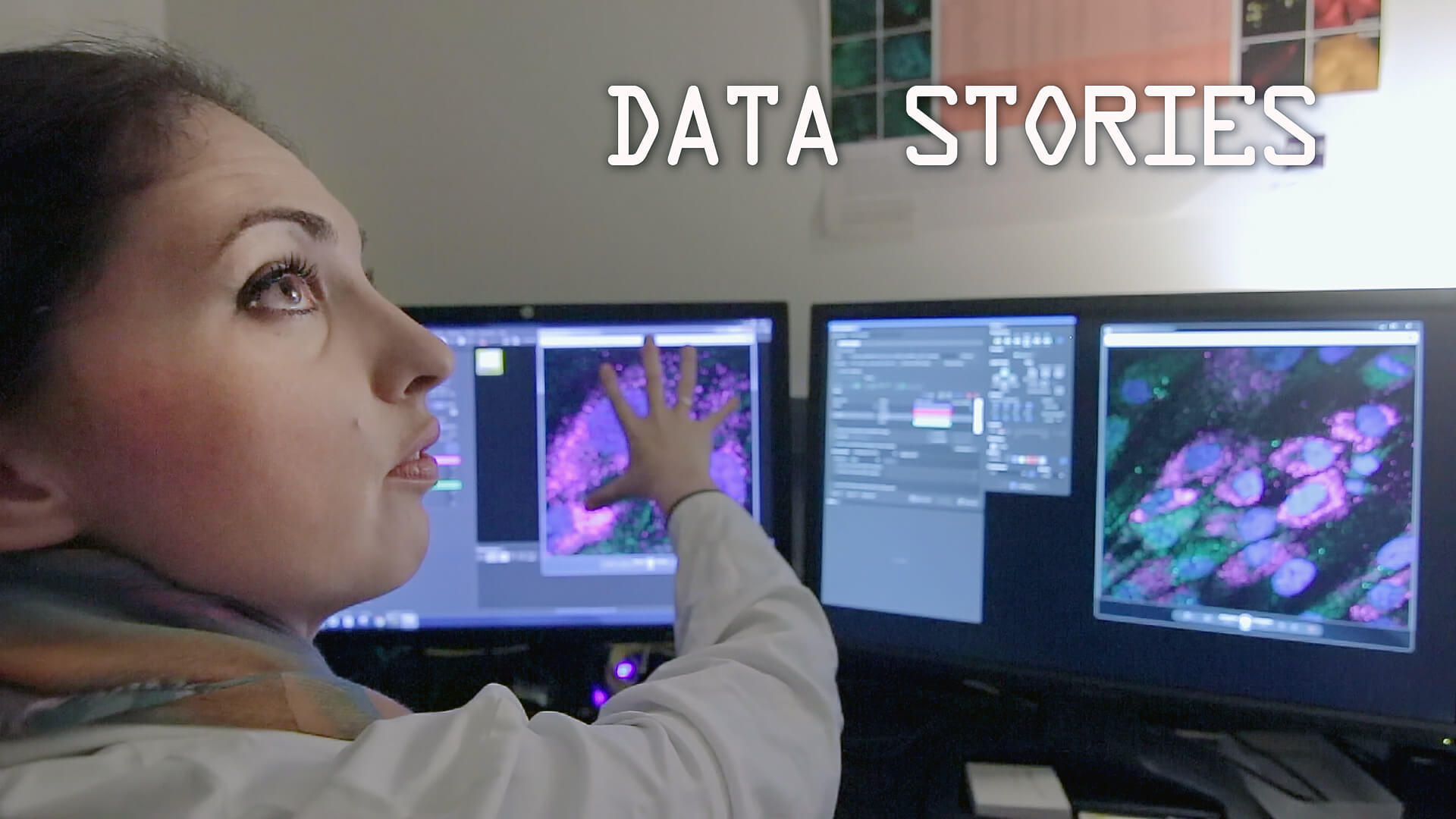
Data Stories | Understanding STING
See how researcher Kathryn McGuckin Wuertz is trying to understand the relationship between infectious diseases and neurological diseases
No items found.
video
Science Matters | Basic science is not basic
Understanding science -- at the basic level -- is extremely complex and sets the foundation necessary for advancements and discovery. Allen Distinguished Investigator Clodagh O'Shea from the Salk Institute explains why [Basic] #ScienceMatters.
No items found.
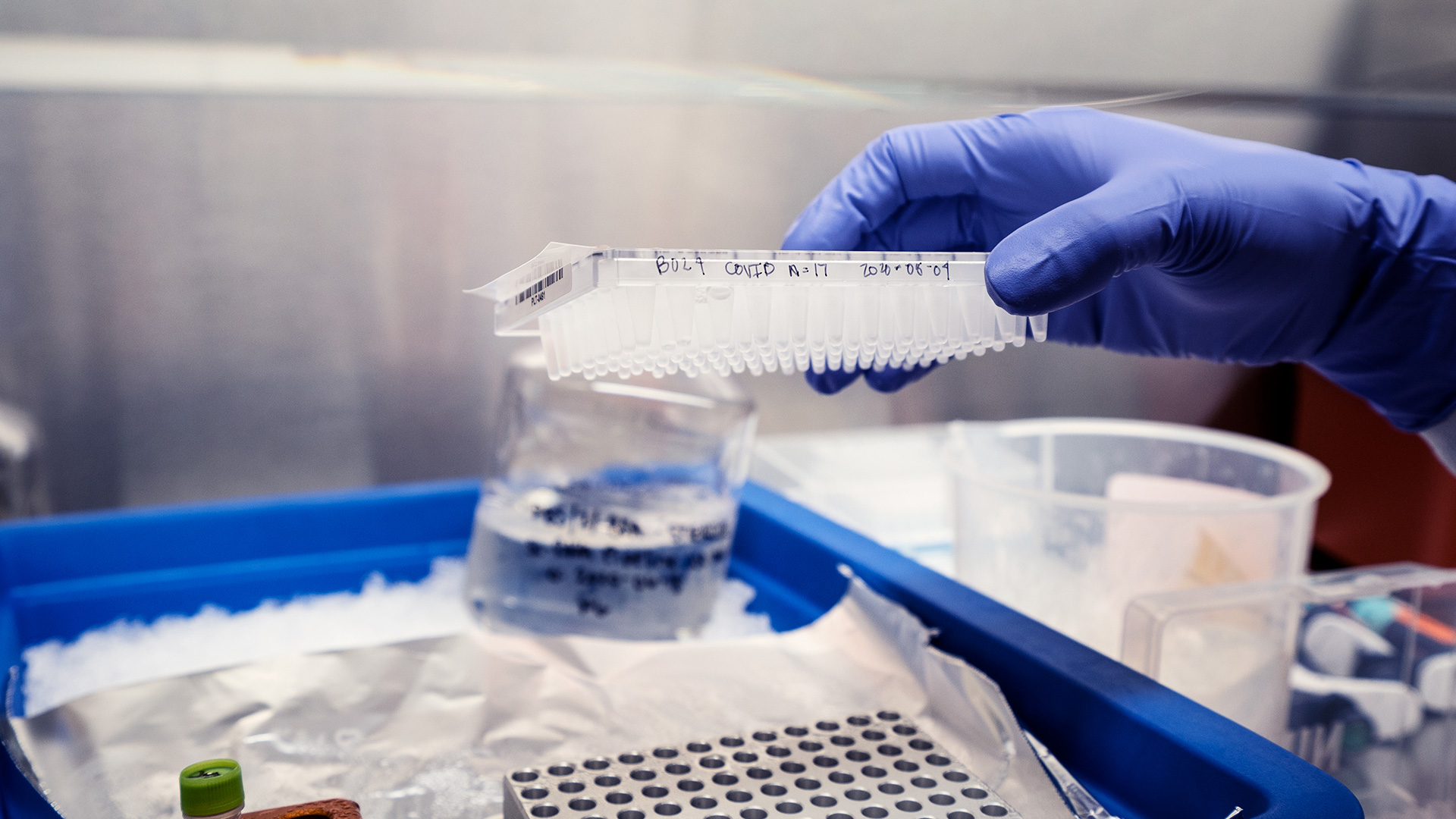
‘For most of us, the immune system does the impossible’: Q&A with an immunology expert
Immunologist Troy Torgerson shares insights on research in the time of coronavirus, why the immune system is so fascinating, and the largest mysteries of human health and disease
No items found.
news
Science Matters | Science that stands the test of time
It’s almost impossible to make further scientific advances without basic - foundational - science. Baljit Khakh a scientist at UCLA and Allen...
No items found.
video
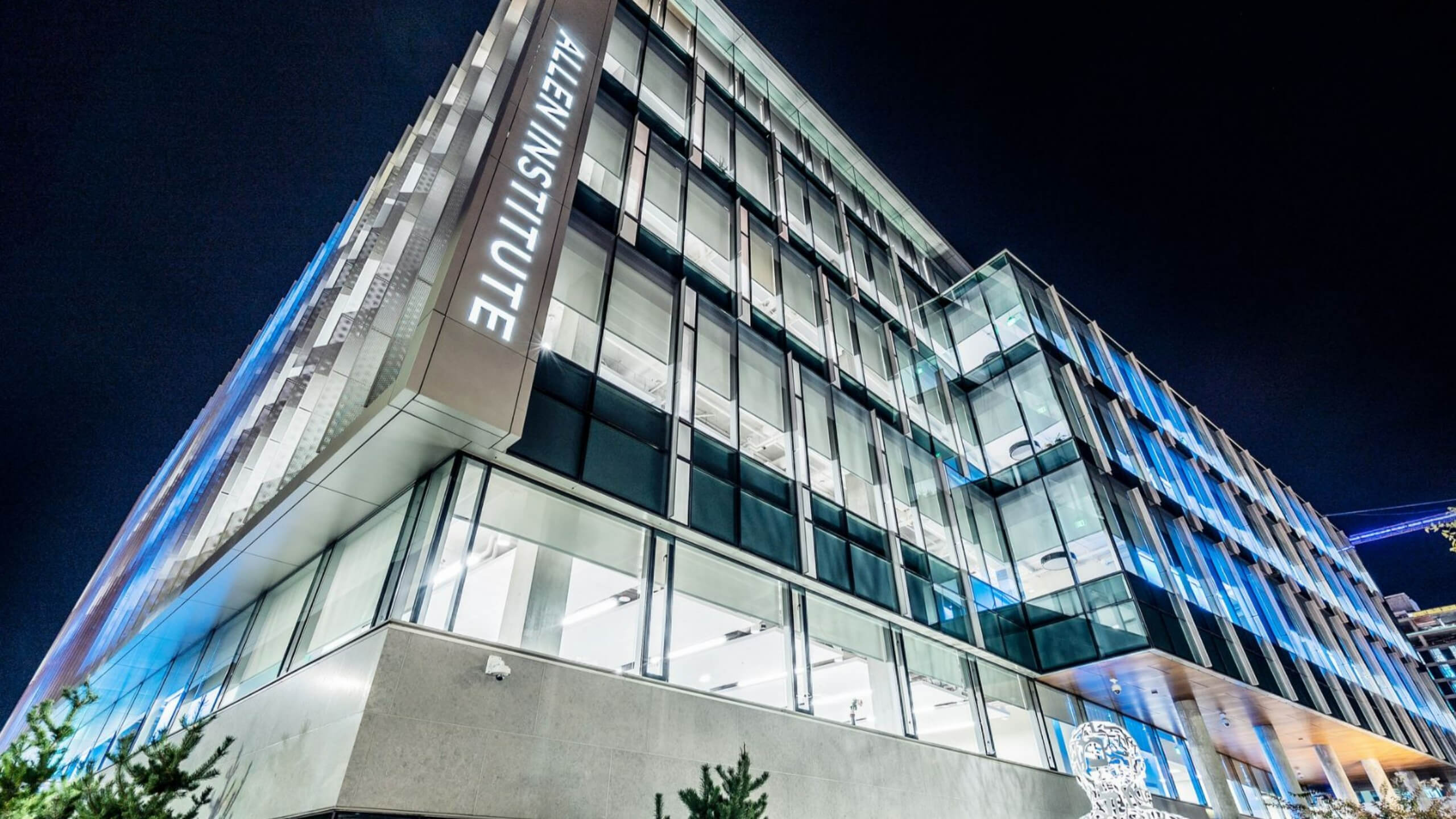
Allen Institute announces new phase of neuroscience research
Cell Types and MindScope research programs to enter new stages of resource generation and discovery; another neuroscience division to launch in 2022
No items found.
news
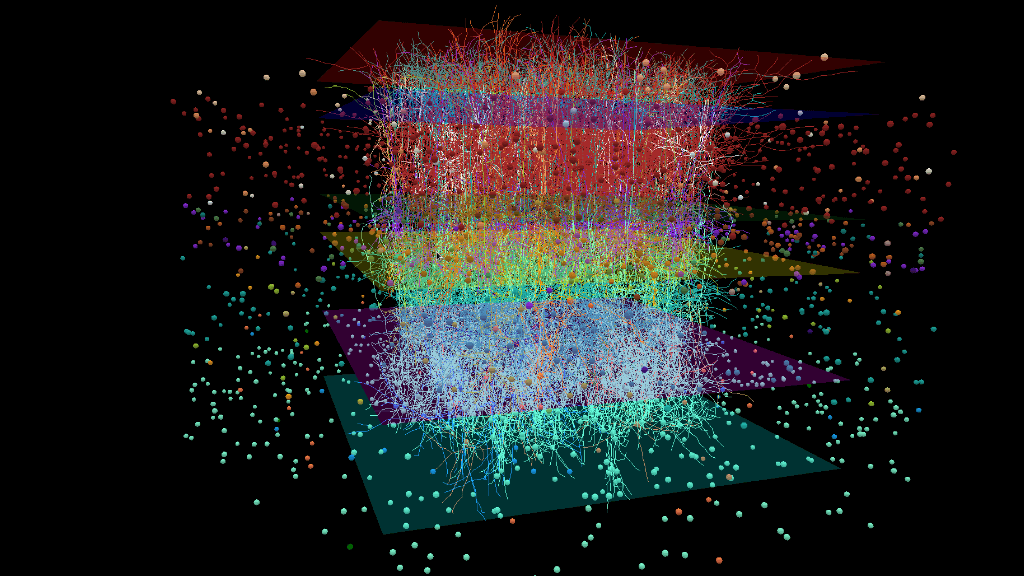
Scientists recreated part of the mouse brain on a computer - and showed it movies
The 230,000-cell simulation of part of the visual system can serve as a testbed for understanding general principles of the brain, its creators say
brain science
news
What’s your favorite neuron? We asked 5 neuroscientists.
Once you’ve read this, you might have one too
No items found.
news
Data Stories | What our heartbeats reveal about our brains
The human brain pulses every time the heart beats. Scientists have used that tiny jiggle to reveal new insights about our neurons.
No items found.
news


No results found, try reducing your search parameters.
press & media contact
Get in touch for media inquiries and resources for covering science at the scale of greatest impact.
Thank you! Your submission has been received!
Oops! Something went wrong while submitting the form.


Biologists Get $100 Million From Billionaire Paul Allen To Investigate Cells
With a gift of $100 million from billionaire philanthropist Paul G. Allen, scientists will embark on an effort to understand how cells work and how they malfunction in disease. Leaders of this new endeavor announced the launch of the Seattle-based Allen Institute for Cell Science today at the annual meeting of the American Society for Cell Biology in Philadelphia.



Billionaire Paul Allen donates $100m to new ‘industrial scale’ effort to understand human cells
Microsoft co-founder Paul G. Allen is donating $100 million of his fortune to launch what he calls an “industrial-scale” effort to understand the basic building block of all living things: the cell.



Microsoft mogul to create new cell science center
Science - Eleven years after he established an institute dedicated to mapping the brain, Microsoft co-founder Paul Allen is announcing a sequel: the Allen Institute for Cell Science. Just like its predecessor, the new institute will be seeded with $100 million from Allen himself; will embrace big-team science, bringing together cell biologists, mathematicians, computational biologists, and other specialists; and will seek to decipher a world whose complexity is still largely uncharted.