stories
news from the front lines of discovery
From scientific breakthroughs to new open‑source tools, the Allen Institute’s work is reshaping how science is done—and who it’s for. Explore the latest news, stories, and highlights from across our research, partnerships, and open science efforts.


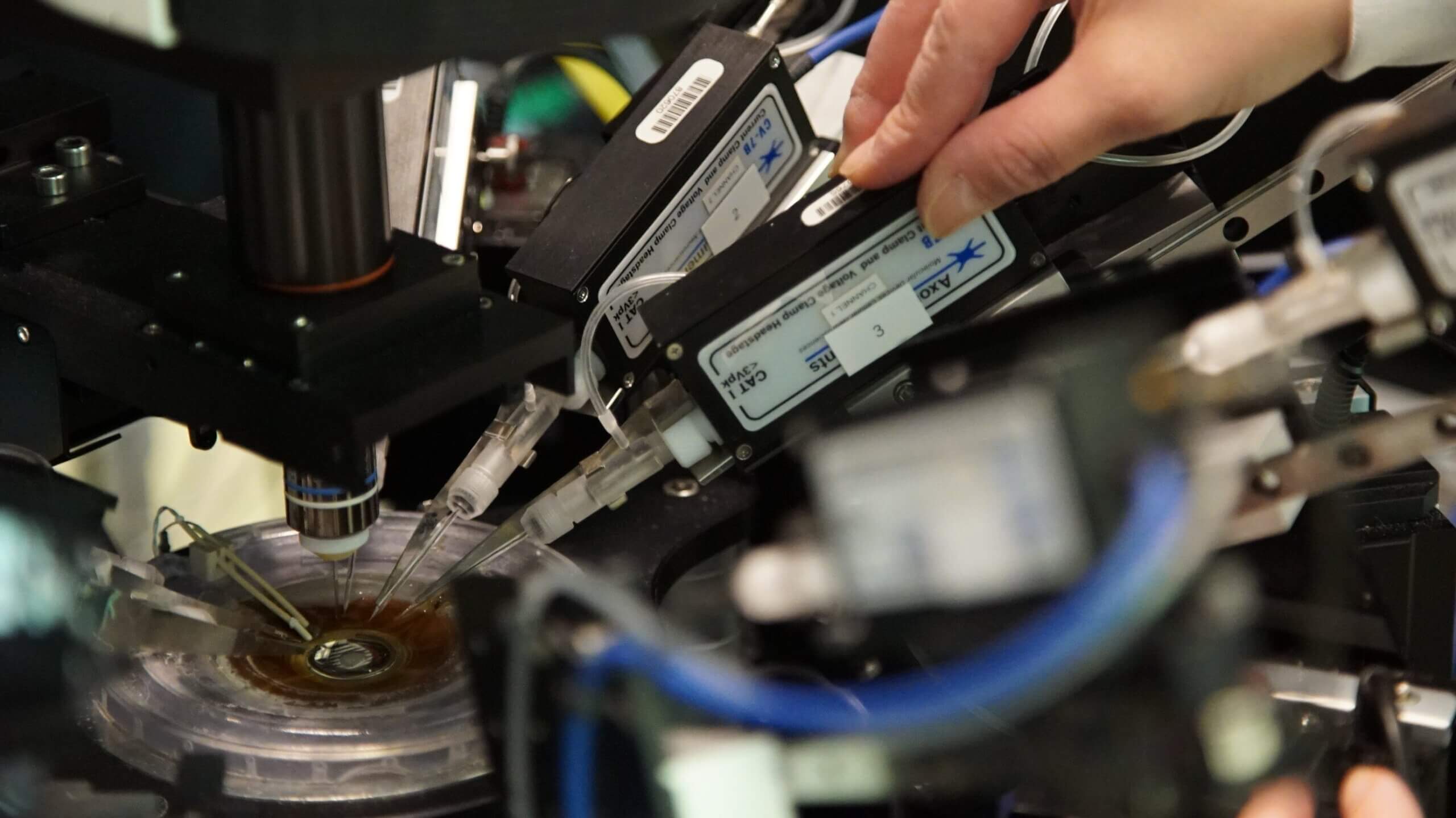
Zapping the right brain cells: The path to improved stimulation
New findings could help scientists develop better ways to treat brain disorders with electrical stimulation.
Thank you! Your submission has been received!
Oops! Something went wrong while submitting the form.


An ultra detailed map of the brain region that controls movement, from mice to monkeys to humans
Hundreds of neuroscientists built a ‘parts list’ of the motor cortex, laying groundwork to map the whole brain and better understand brain disease...
No items found.
news
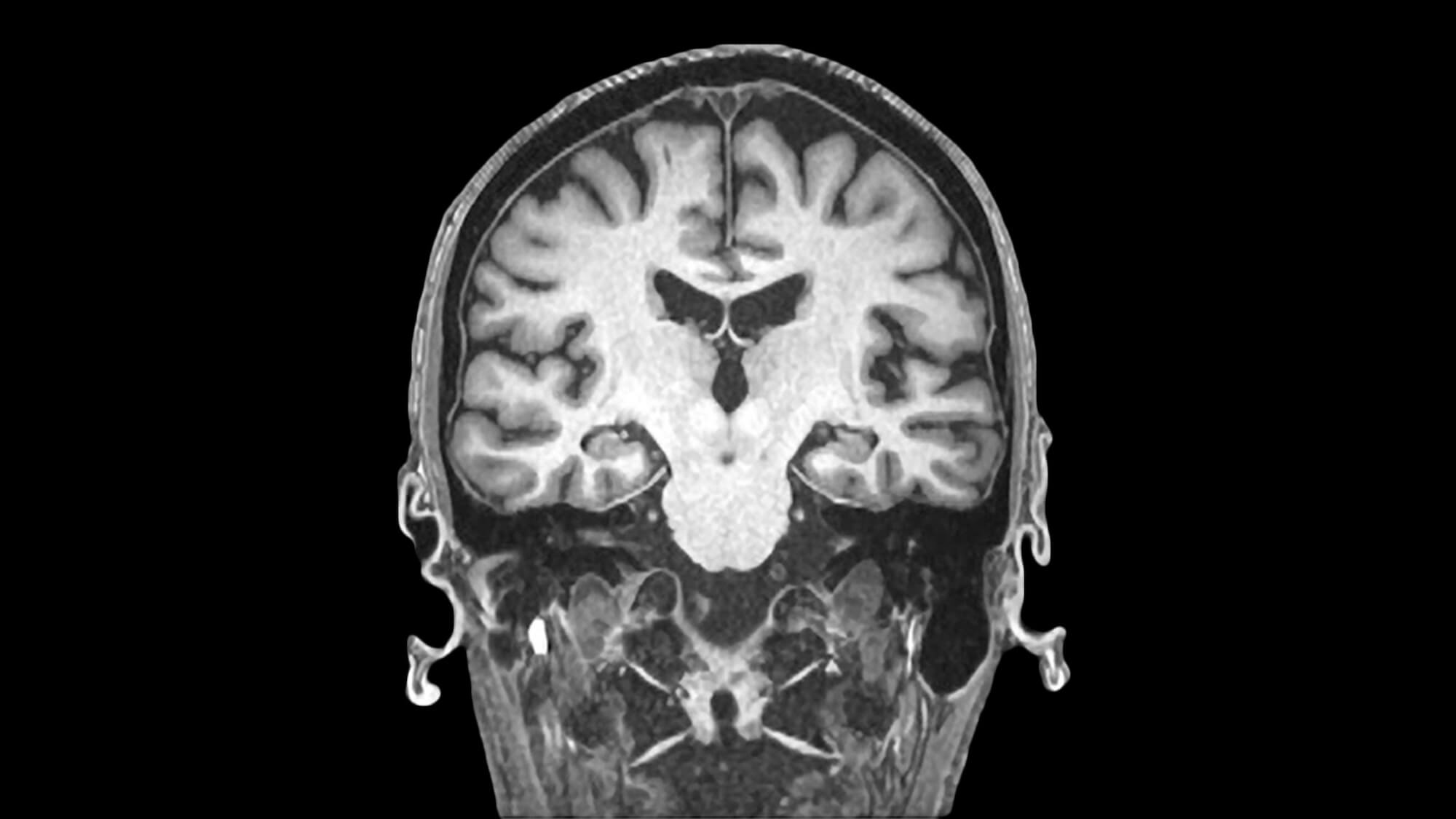
These rare human neurons generate electrical signals in two different cellular parts
With brain tissue samples donated by surgery patients come detailed descriptions of certain rare types of human cells - including new findings about...
No items found.
news
Q&A with the Allen Institute for Immunology’s first employee
Ernie Coffey started his career in science with a bang. It was 1997 and he landed a job at one of the institutes participating in the sequencing of...
immunology
news
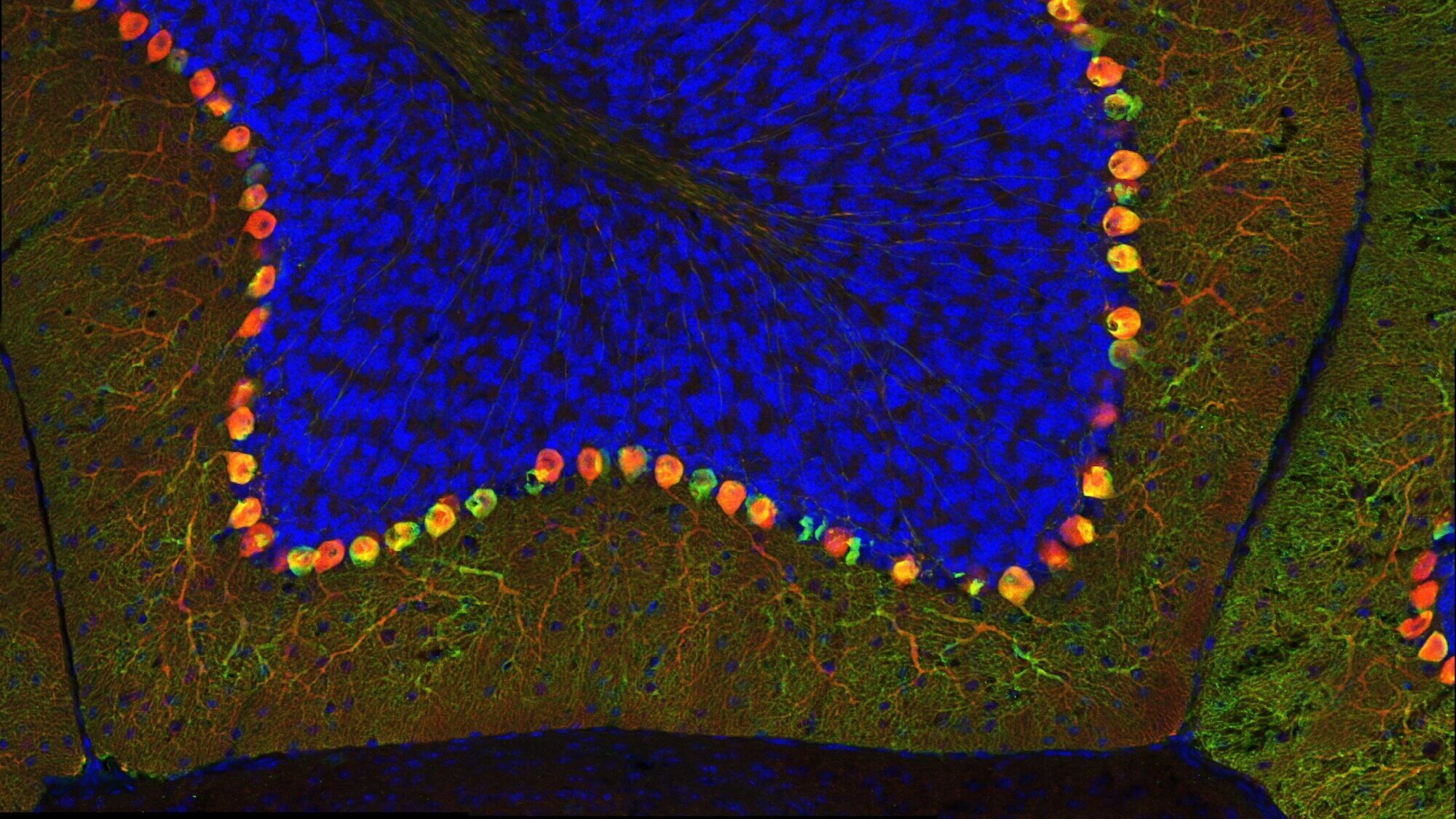
Sped-up evolution may have molded the human brain by slowing neuron growth
Quickly evolving stretches of DNA unique to humans are important for brain development, a new study finds
No items found.
news
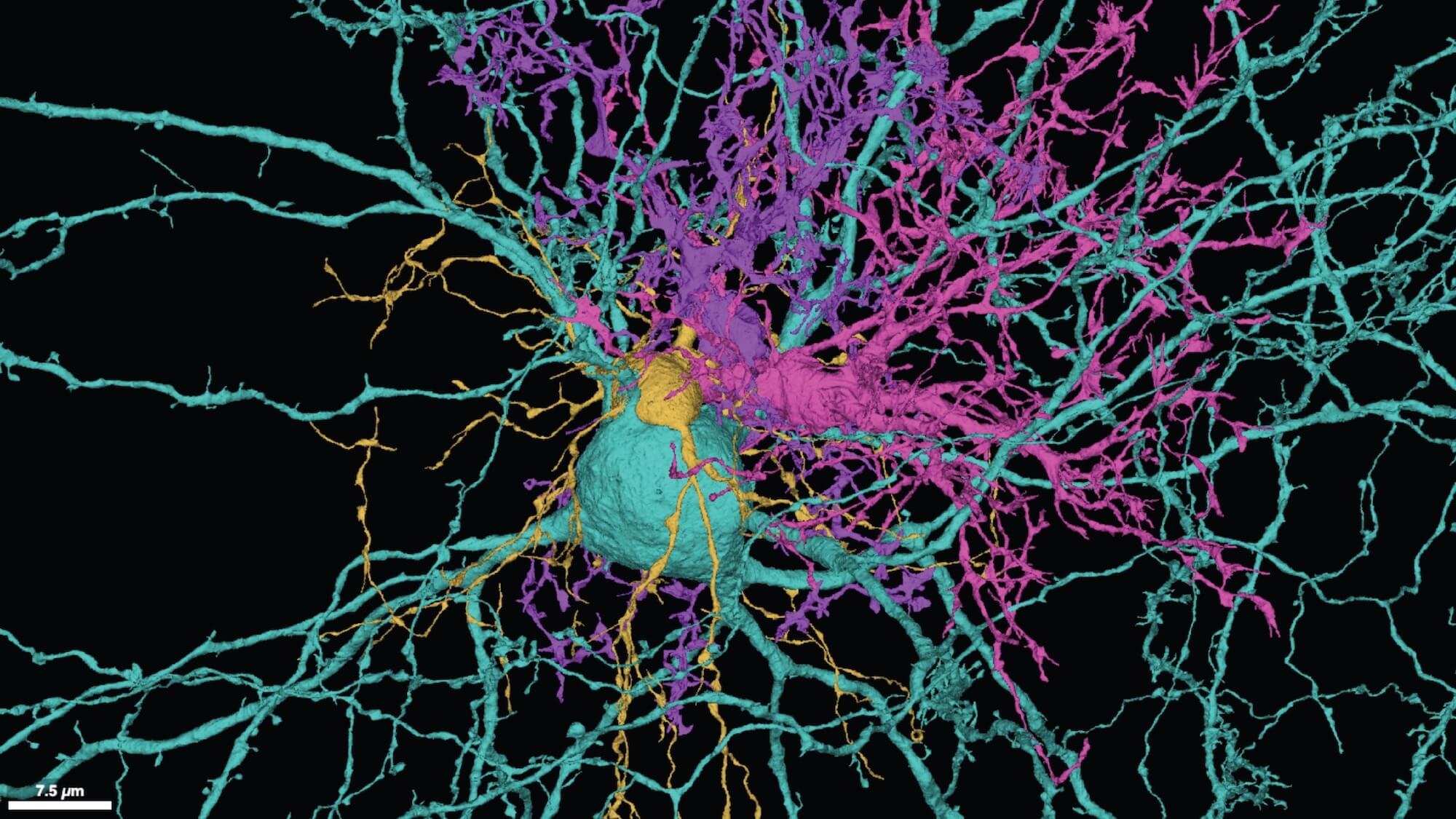
Brain scientists unveil wiring diagram containing 200,000 cells and nearly half billion connections in tiny piece of a mouse's brain
Detailed map captures 3D shapes of neurons and their synapses in stunning detail and is open to community for neuroscience and machine learning...
brain science
news
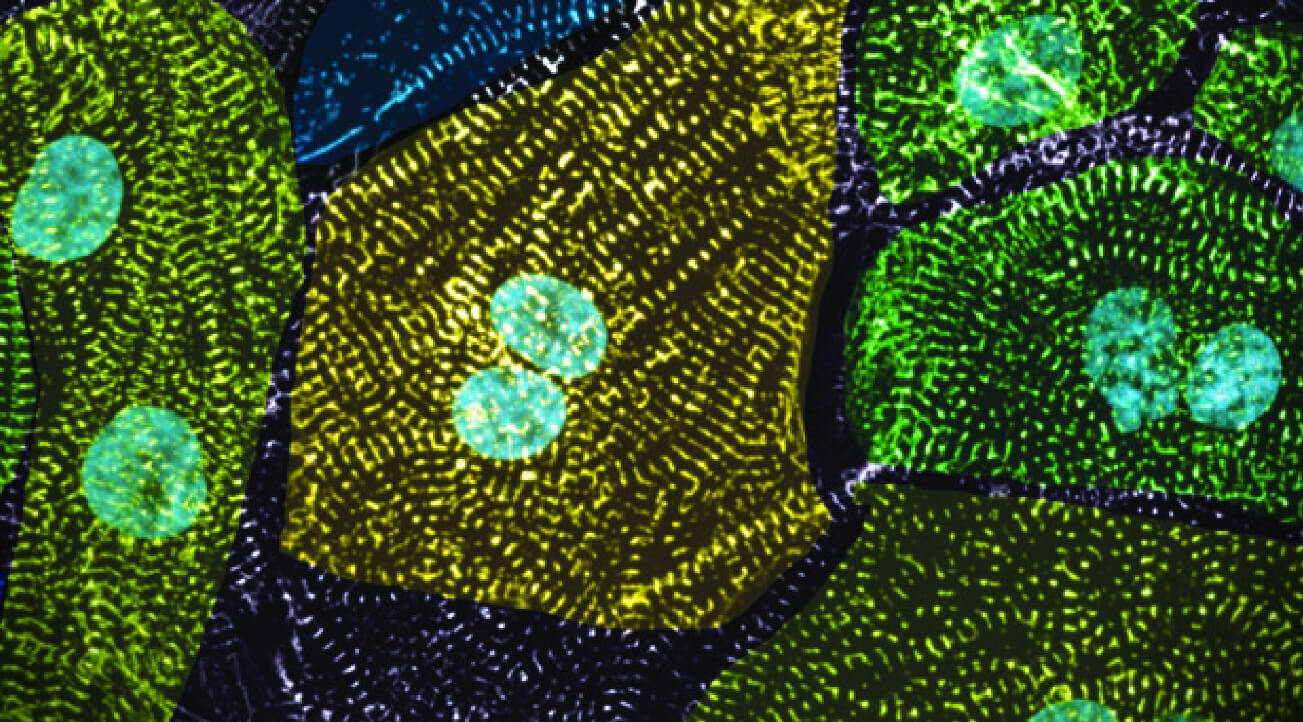
To understand human cells, scientists look beyond genes
Deep dive into detailed images of human heart cells uncovers a disconnect between gene expression and cell structure
cell science
news

Science in Sixty | Shannon Reynolds
Figuring out how to transport live brain tissue from the operating room to the lab is challenging to say the least. In our latest Science in Sixty,...
No items found.
video
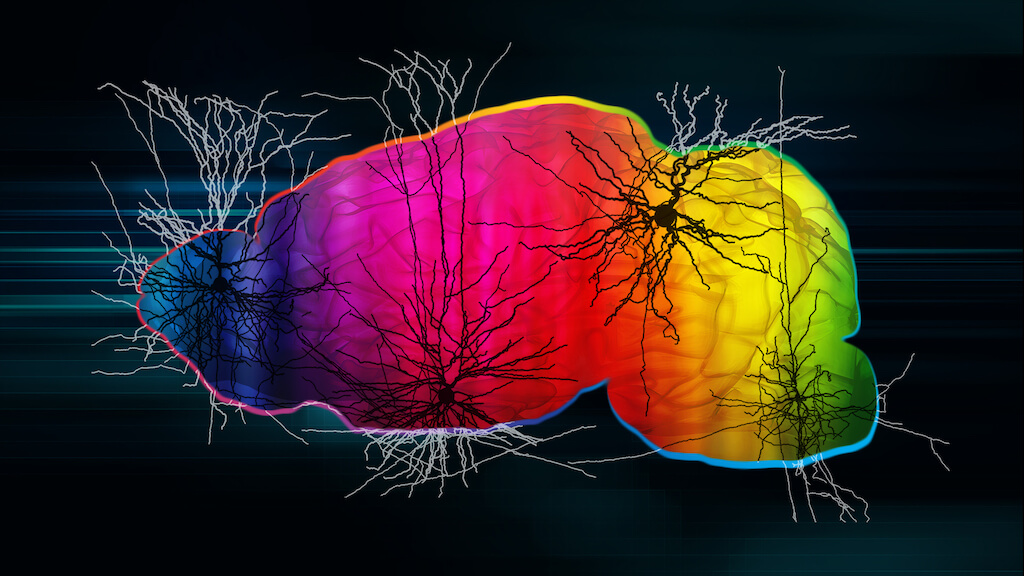
Study maps all the types of neurons across two major structures of the mouse brain
Cell-type parts list of the mouse neocortex and the hippocampal formation yields new information about how the mammalian brain evolved and develops
brain science
news
Science in Sixty | Brian Lee
Brian Lee, Ph.D., barely graduated high school. Now he has his Ph.D., and is running a lab at the Allen Institute for Brain Science.
No items found.
video
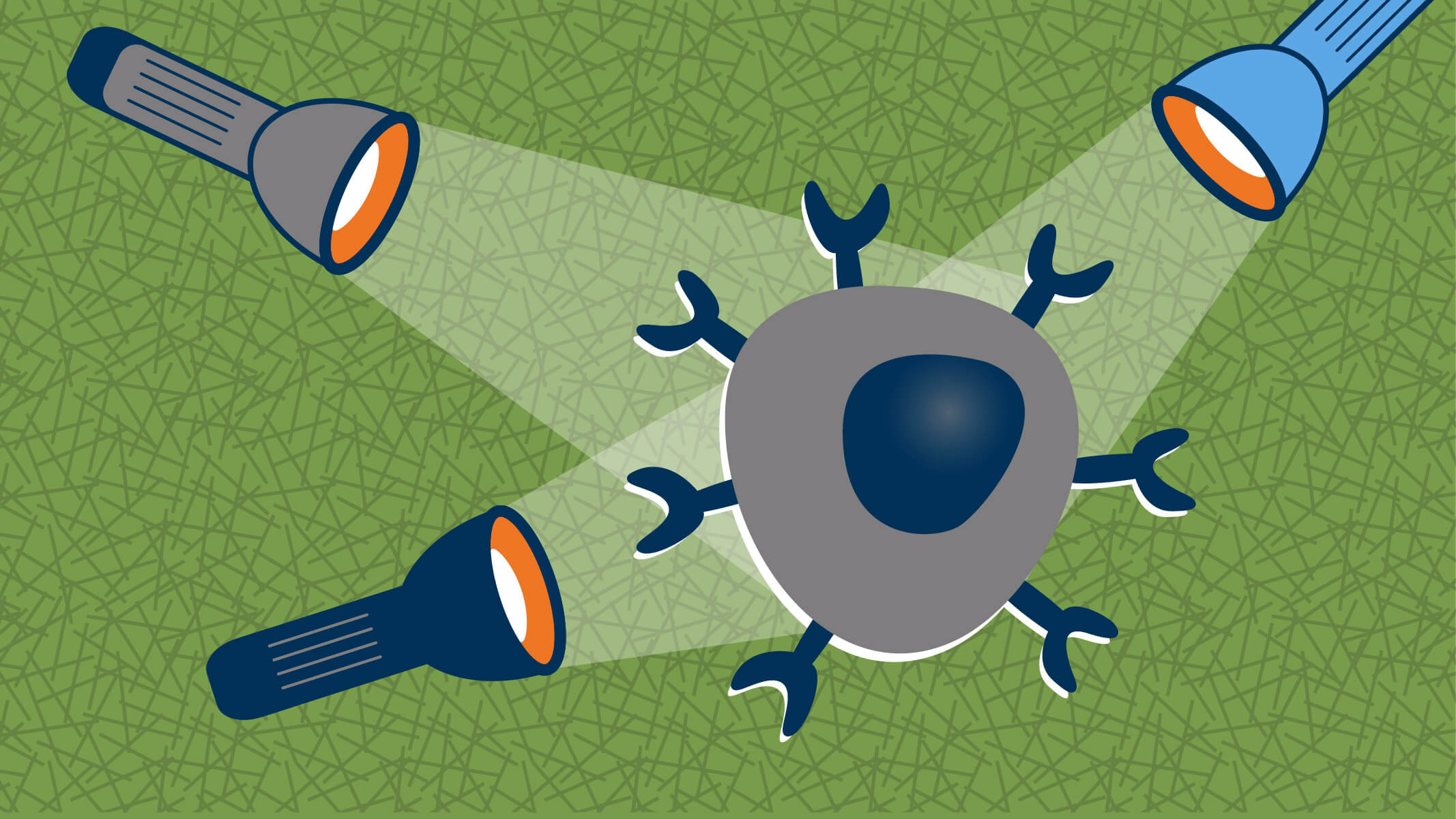
New technique explores the ins and outs of our immune cells
Method that captures 3 different characteristics of individual human cells at once can shed light on aging and disease.
immunology
news


No results found, try reducing your search parameters.
press & media contact
Get in touch for media inquiries and resources for covering science at the scale of greatest impact.
Thank you! Your submission has been received!
Oops! Something went wrong while submitting the form.





What Causes Alzheimer’s? Scientists Are Rethinking the Answer
Scientists have long held onto the idea that sticky blobs of proteins sitting between brain cells are the cause of Alzheimer’s disease. Now, however, many are turning their attention to deeper dysfunctions happening within cells.


Seattle researchers lead ambitious project to map the human brain
We could be on the cusp of breakthrough treatments for brain diseases, from Alzheimer's Disease to depression and ADHD. Local scientists from the Allen Institute for Brain Science are spearheading a five-year project to map the human brain.

NIH launches the next stage of its ‘human genome project’ for the brain
The National Institutes of Health on Thursday announced more than $600 million in fresh funding for an expansive and ongoing push to unravel the mysteries of the human brain, bankrolling efforts to create a detailed map of the whole brain, and devise new ways to target therapeutics and other molecules to specific brain cell populations.