stories
news from the front lines of discovery
From scientific breakthroughs to new open‑source tools, the Allen Institute’s work is reshaping how science is done—and who it’s for. Explore the latest news, stories, and highlights from across our research, partnerships, and open science efforts.


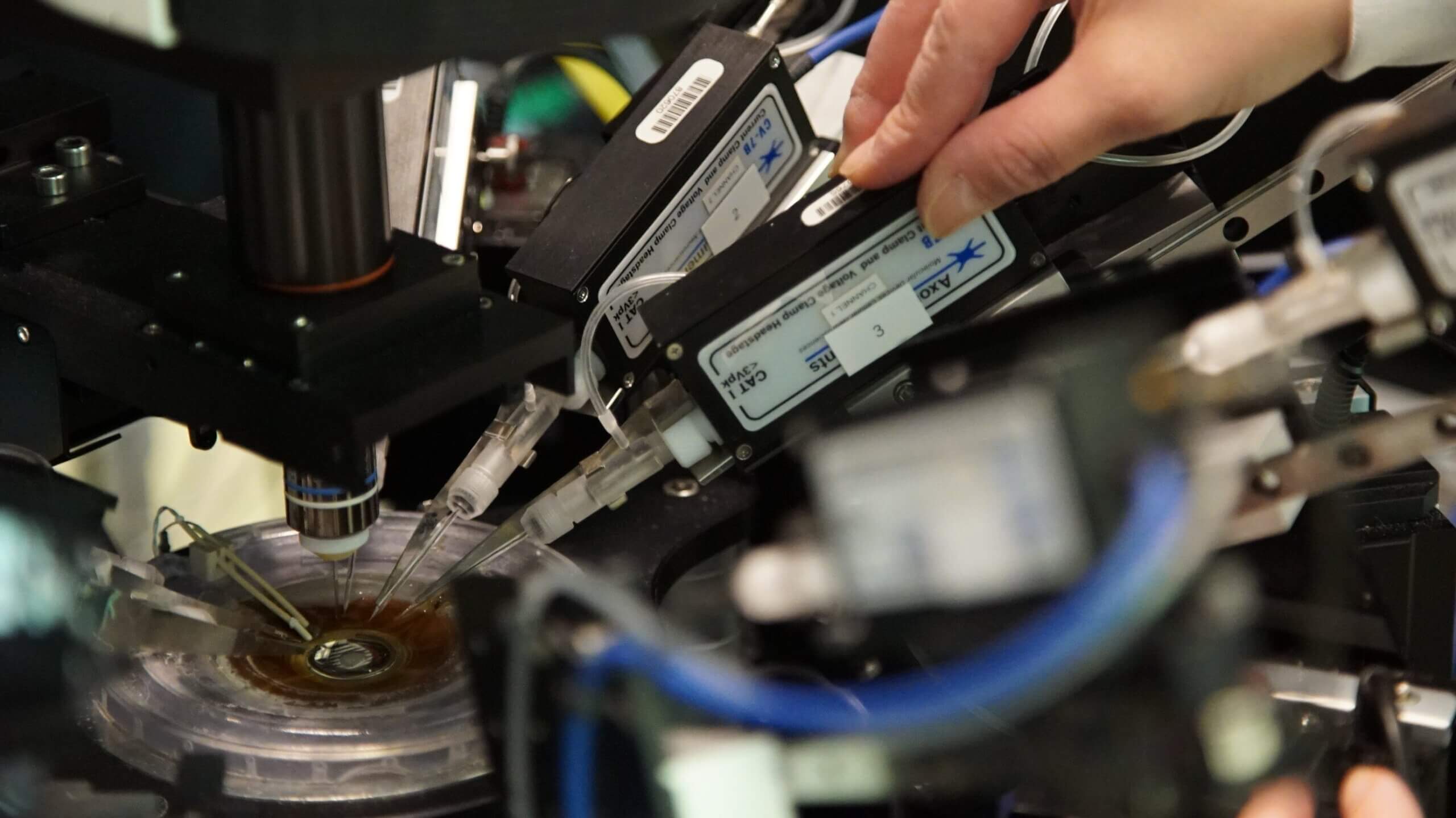
Zapping the right brain cells: The path to improved stimulation
New findings could help scientists develop better ways to treat brain disorders with electrical stimulation.
Thank you! Your submission has been received!
Oops! Something went wrong while submitting the form.
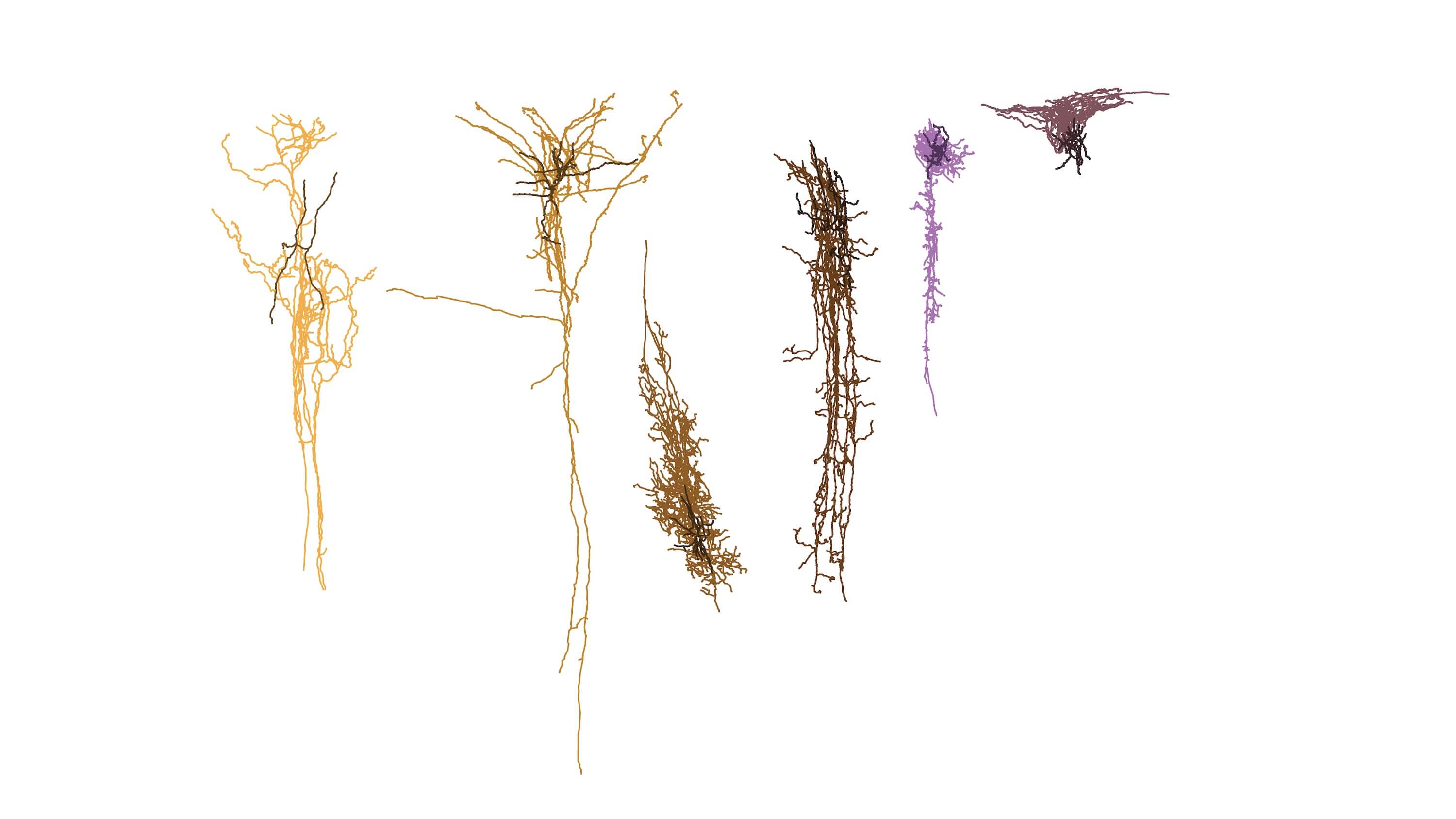

New study traces Alzheimer's 'pathology clock' at unprecedented cellular resolution
Scientists map Alzheimer’s advance at fine cellular level and identify some of the first neurons lost to disease, providing potential targets for...
No items found.
news
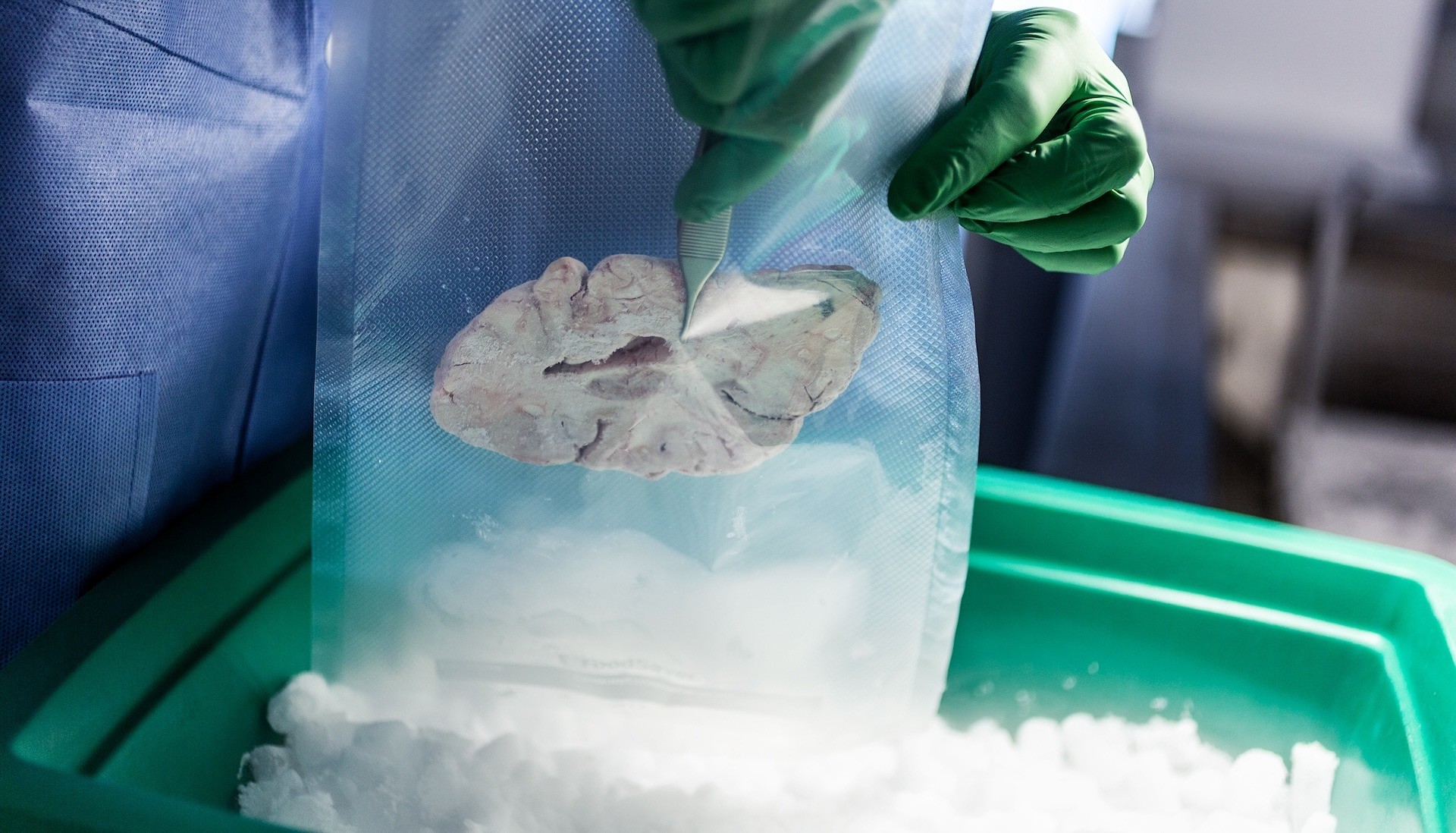
Global effort to map the human brain releases first data
The BICAN Rapid Release Inventory provides early access to comprehensive single-cell data, aiming to accelerate brain research.
brain science
news
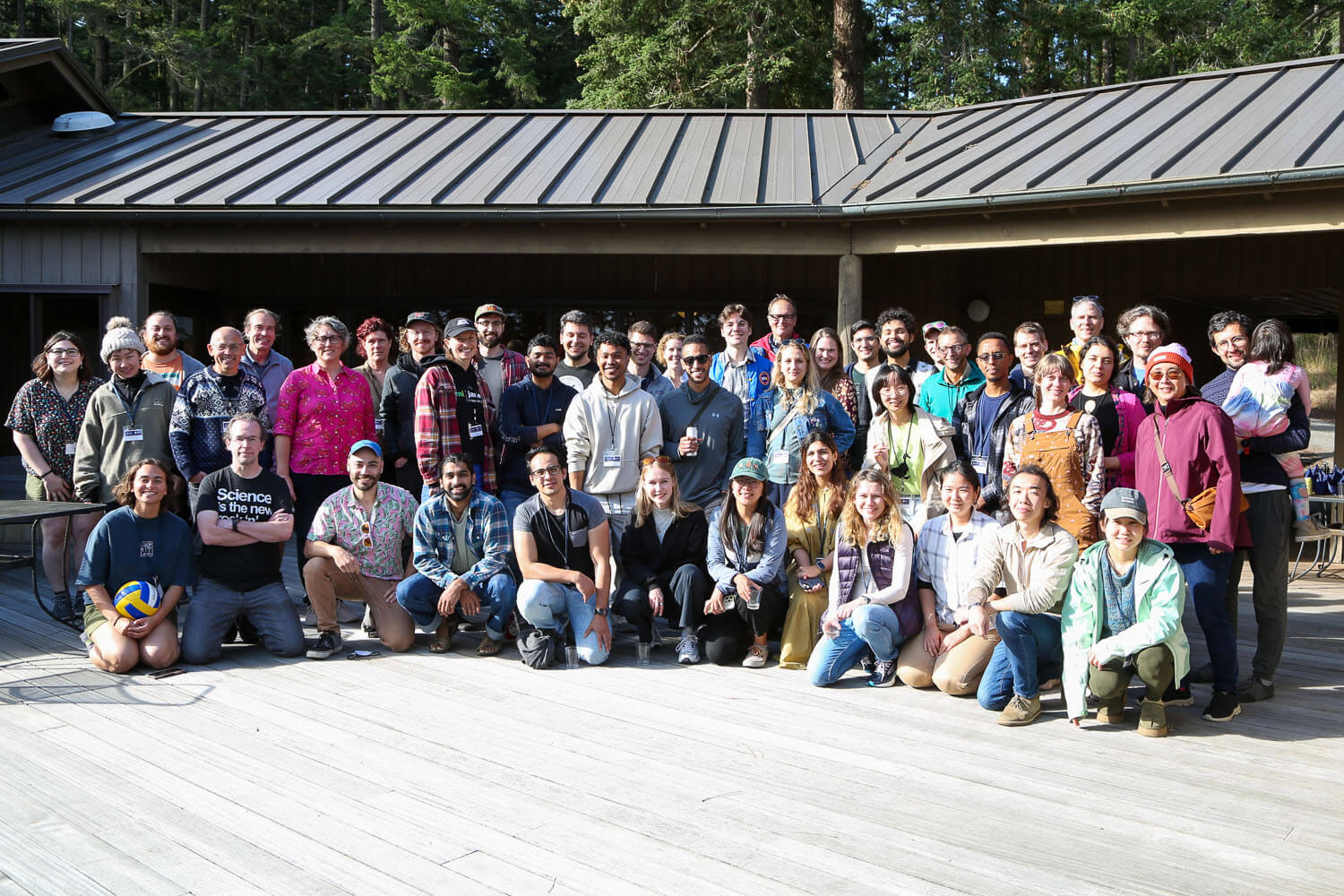
Summer Workshop on the Dynamic Brain: Ten years of collaboration and community
A two-week summer camp for neuroscience students building bridges, surfacing insights, and teaching cutting-edge computational methods
No items found.
news
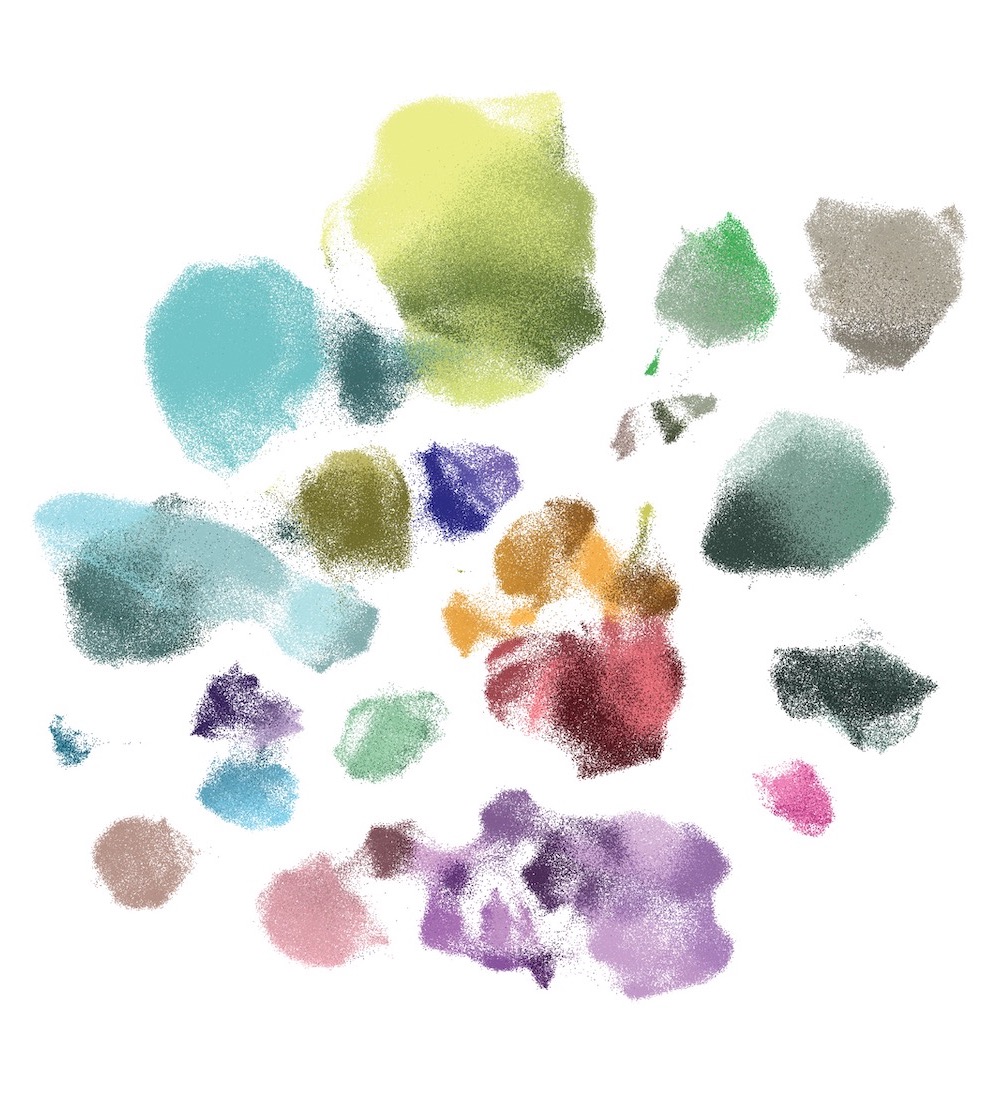
New AI method sheds light on brain cell diversity
Researchers develop a machine learning approach to classify brain cells more precisely, which could aid studies into their role in health and disease.
brain science
news
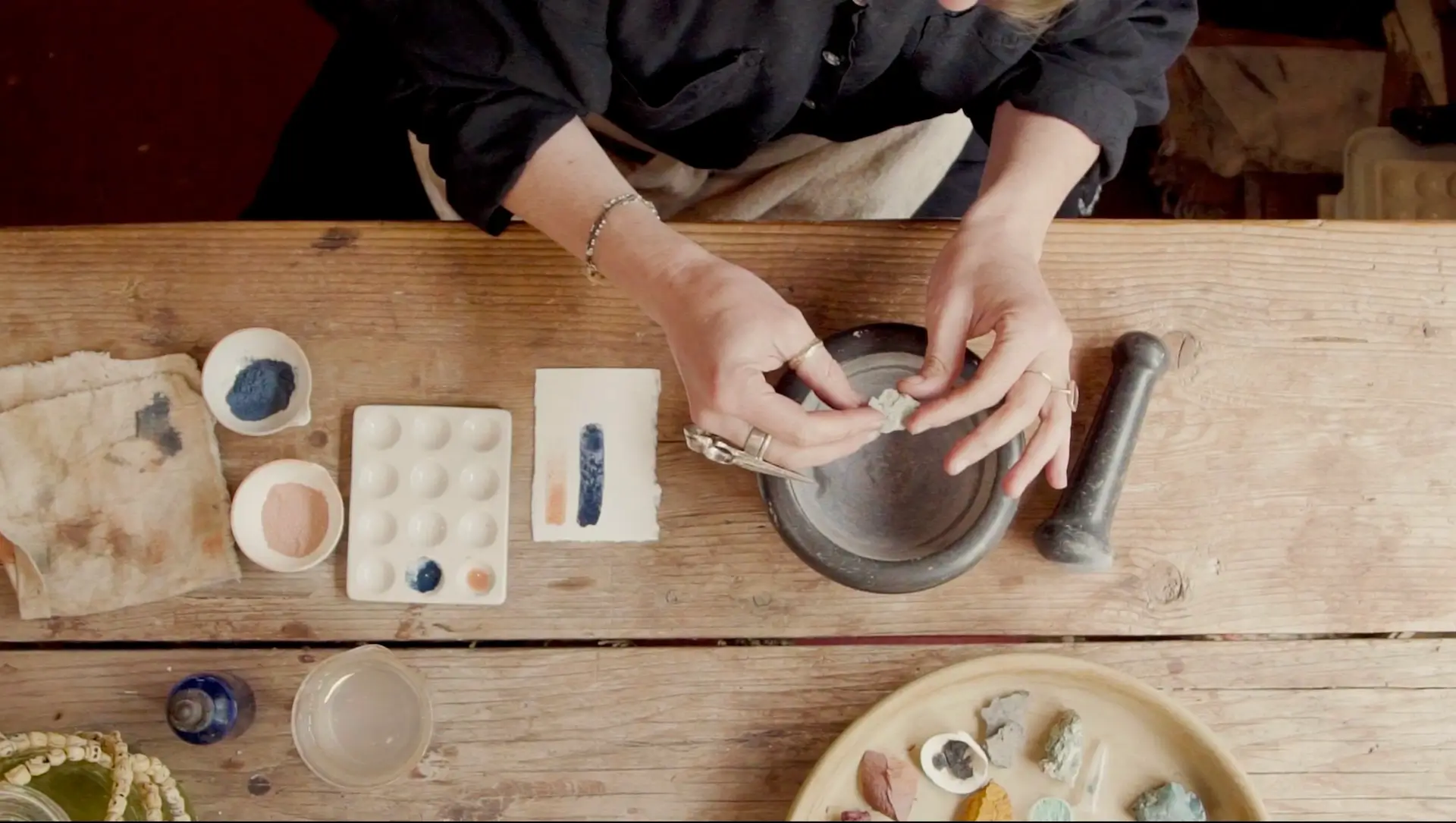
Nature’s Palette: A tale of science and art
Two sisters, from seemingly different worlds, have joined forces in a unique collaboration to visualize the healthy immune system across age.
immunology
news
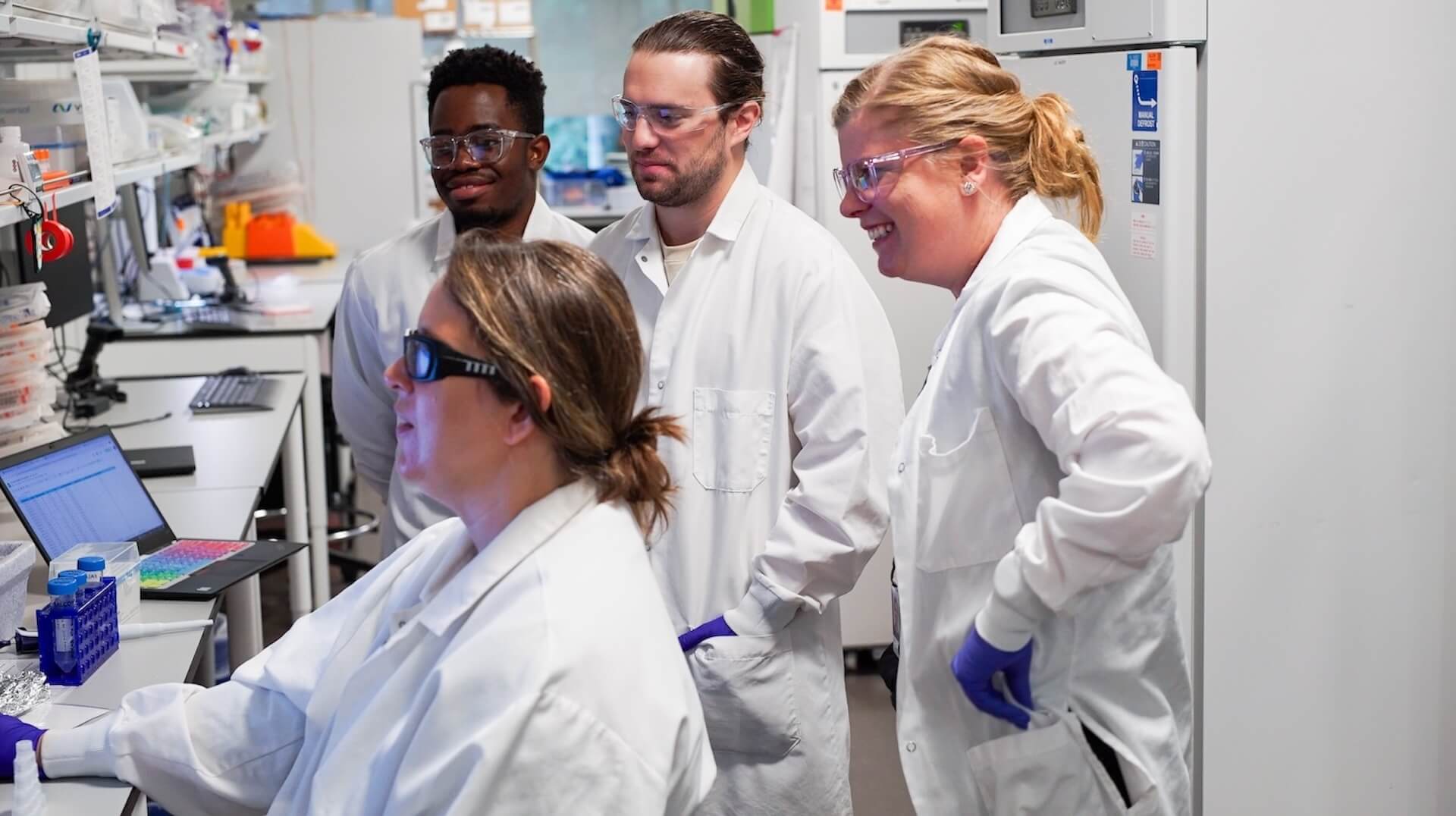
Allen Institute for Immunology unveils landmark Human Immune Health Atlas
Comprehensive dataset maps the landscape of healthy immune cells across the human lifespan
immunology
news
Nature’s Palette: A tale of science and art
Two sisters, from seemingly different worlds, have joined forces in a unique collaboration to visualize the healthy immune system across age.
No items found.
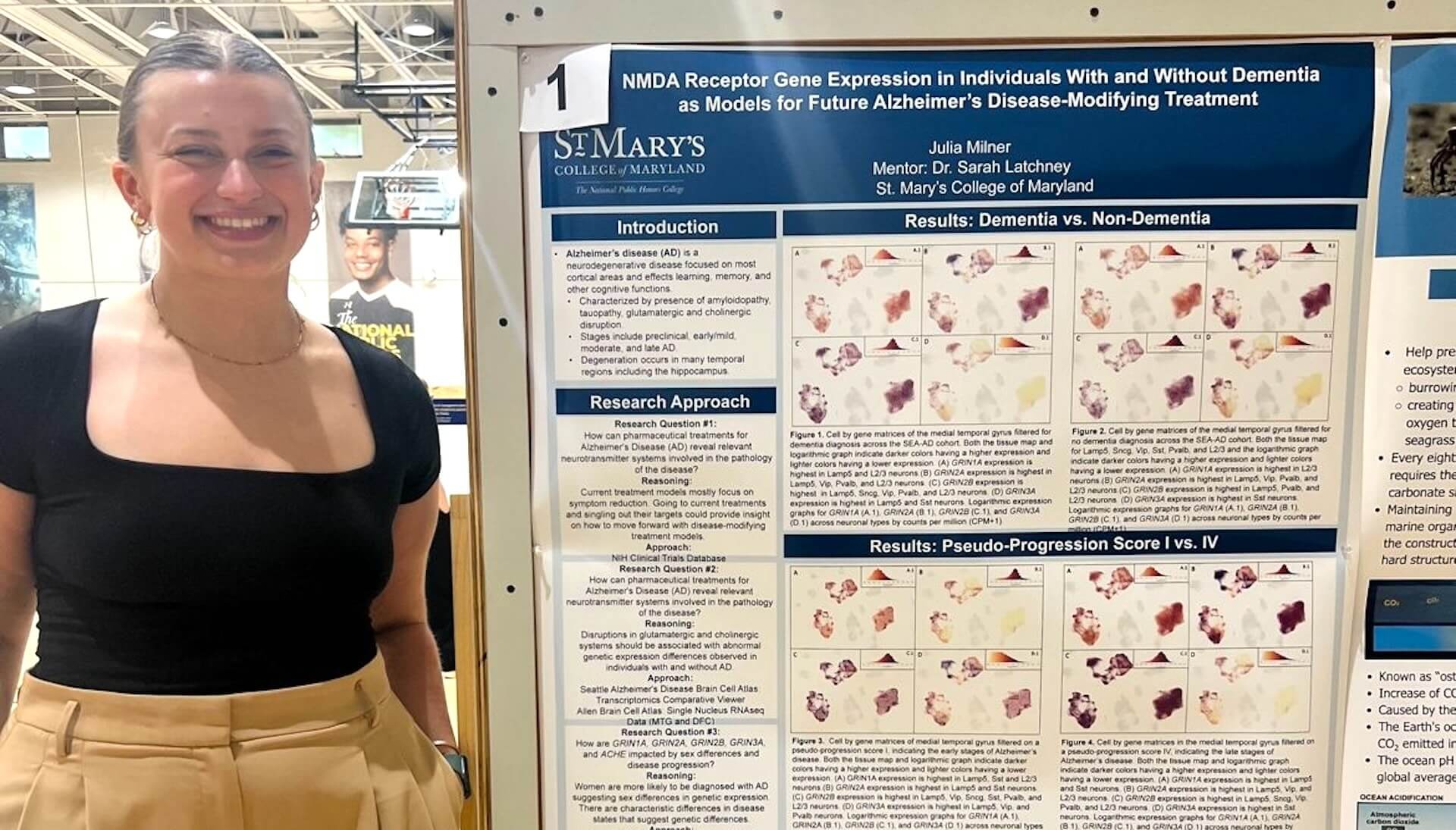
No lab? No problem for this neuroscience student
How open science tools helped a personal journey into Alzheimer’s research
brain science
news
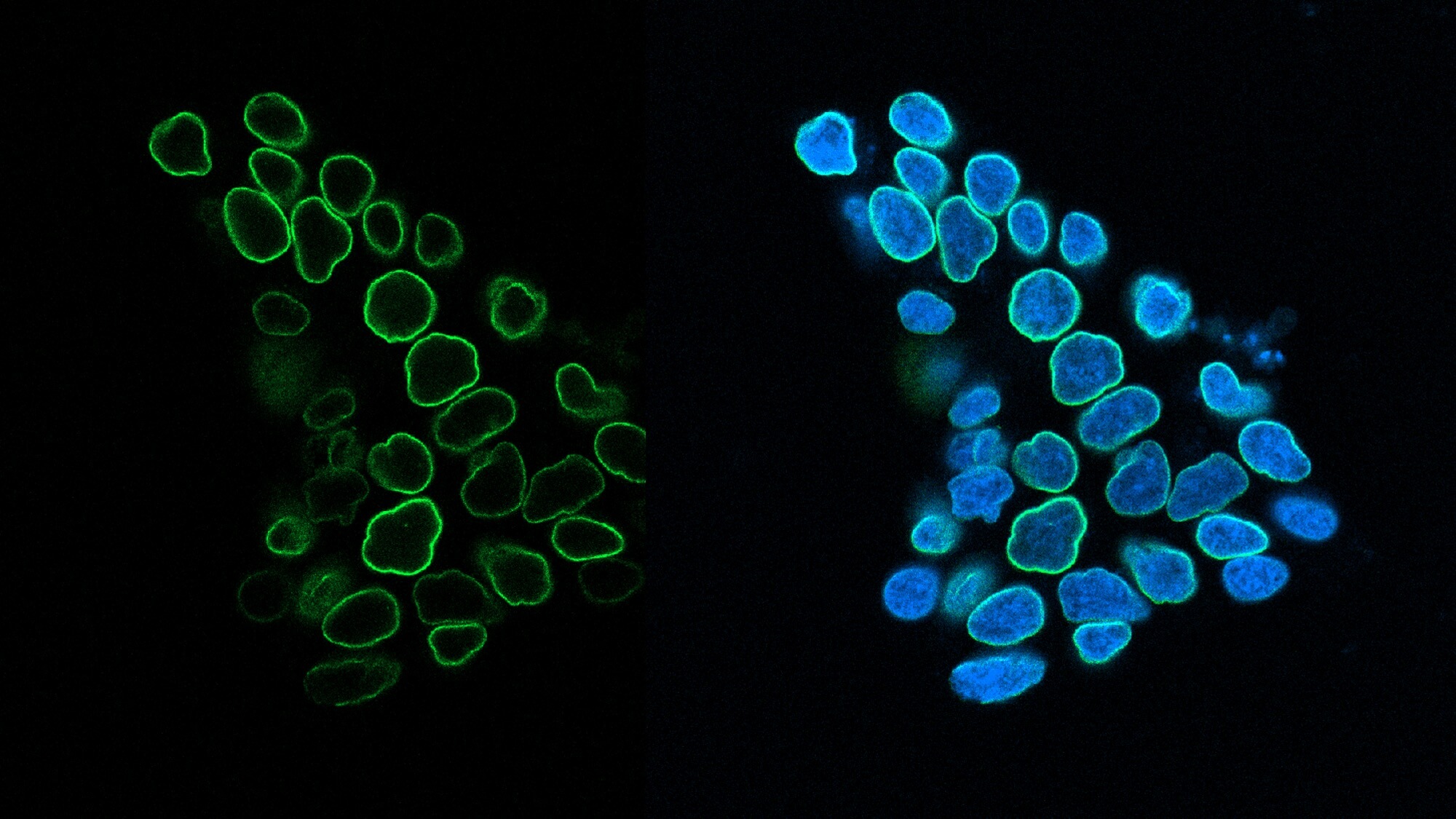
Allen Institute for Cell Science and New York Stem Cell Foundation join forces to advance inclusive cellular biology
Partnership combines advanced cellular tagging with ethnically diverse stem cell lines, addressing critical gaps in biomedical research
cell science
news
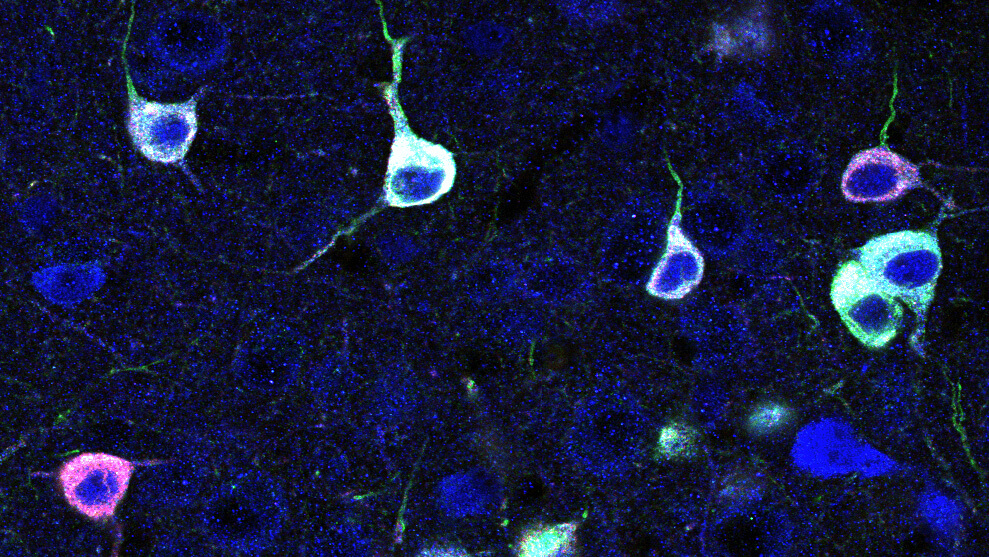
Allen Institute scientists awarded $1 million to research gene therapy for Dravet syndrome
Washington Research Foundation grant will accelerate gene therapy development for the rare, devastating disorder.
No items found.
news


No results found, try reducing your search parameters.
press & media contact
Get in touch for media inquiries and resources for covering science at the scale of greatest impact.
Thank you! Your submission has been received!
Oops! Something went wrong while submitting the form.


Biologists Get $100 Million From Billionaire Paul Allen To Investigate Cells
With a gift of $100 million from billionaire philanthropist Paul G. Allen, scientists will embark on an effort to understand how cells work and how they malfunction in disease. Leaders of this new endeavor announced the launch of the Seattle-based Allen Institute for Cell Science today at the annual meeting of the American Society for Cell Biology in Philadelphia.



Billionaire Paul Allen donates $100m to new ‘industrial scale’ effort to understand human cells
Microsoft co-founder Paul G. Allen is donating $100 million of his fortune to launch what he calls an “industrial-scale” effort to understand the basic building block of all living things: the cell.



Microsoft mogul to create new cell science center
Science - Eleven years after he established an institute dedicated to mapping the brain, Microsoft co-founder Paul Allen is announcing a sequel: the Allen Institute for Cell Science. Just like its predecessor, the new institute will be seeded with $100 million from Allen himself; will embrace big-team science, bringing together cell biologists, mathematicians, computational biologists, and other specialists; and will seek to decipher a world whose complexity is still largely uncharted.